
CONCRETE CANCER REPAIRS SYDNEY
Specialist repairs for concrete spalling, corroded reinforcement and deteriorated balconies, slabs and structural elements.
SPECIALISTS
restore strength and safety.
& RESIDENTIAL
and homeowners across Sydney.
INSPECTION
and expert advice.
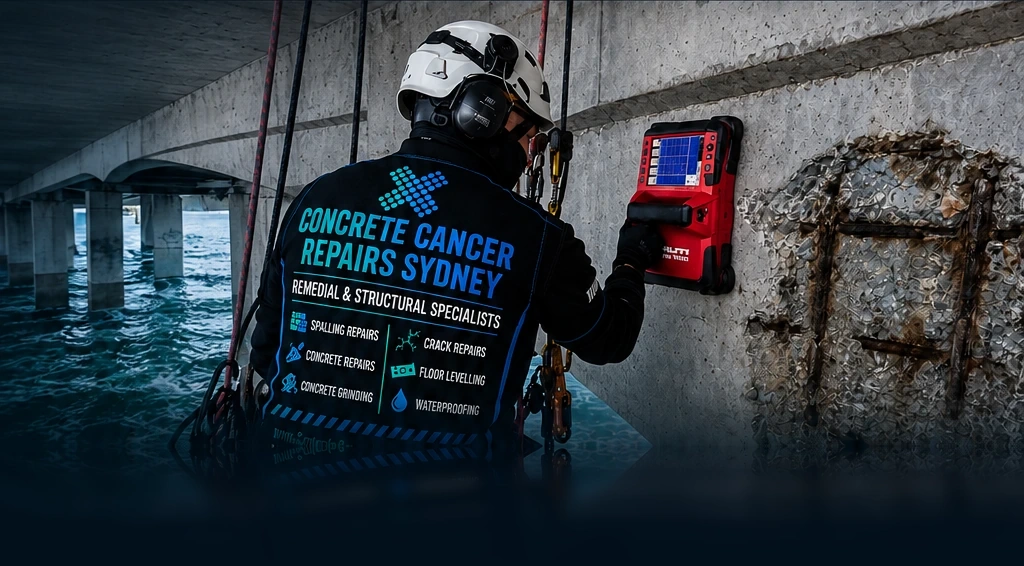
CONCRETE CANCERREPAIRS SYDNEY
SPECIALIST REMEDIAL & STRUCTURAL REPAIRS
Specialist repairs for concrete spalling, corroded reinforcement and deteriorated balconies, slabs and structural elements.
STRUCTURAL REPAIR SPECIALISTS
Engineered solutions that restore strength and safety.
STRATA, COMMERCIAL & RESIDENTIAL
Trusted by strata, businesses and homeowners across Sydney.
FREE SITE INSPECTION
Accurate assessment and expert advice.
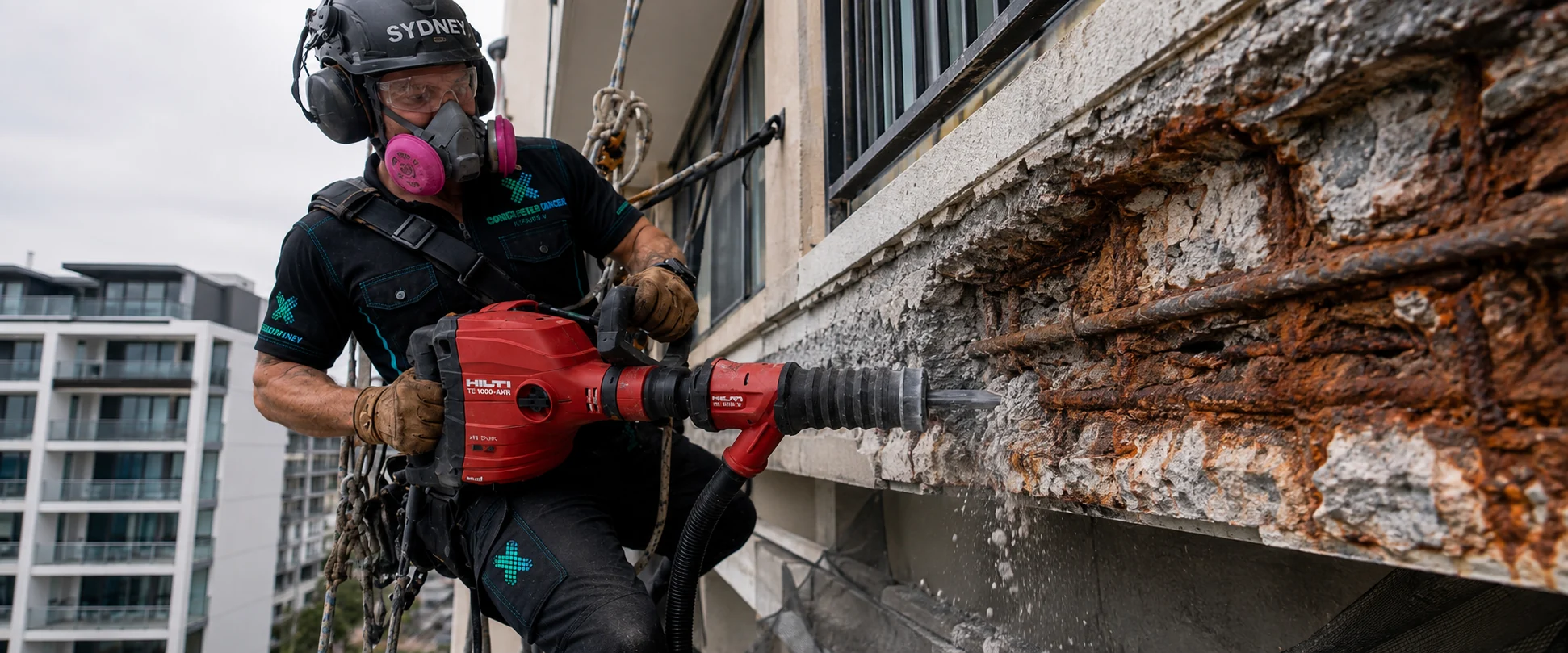
RESTORE STRENGTH. EXTEND LIFE.
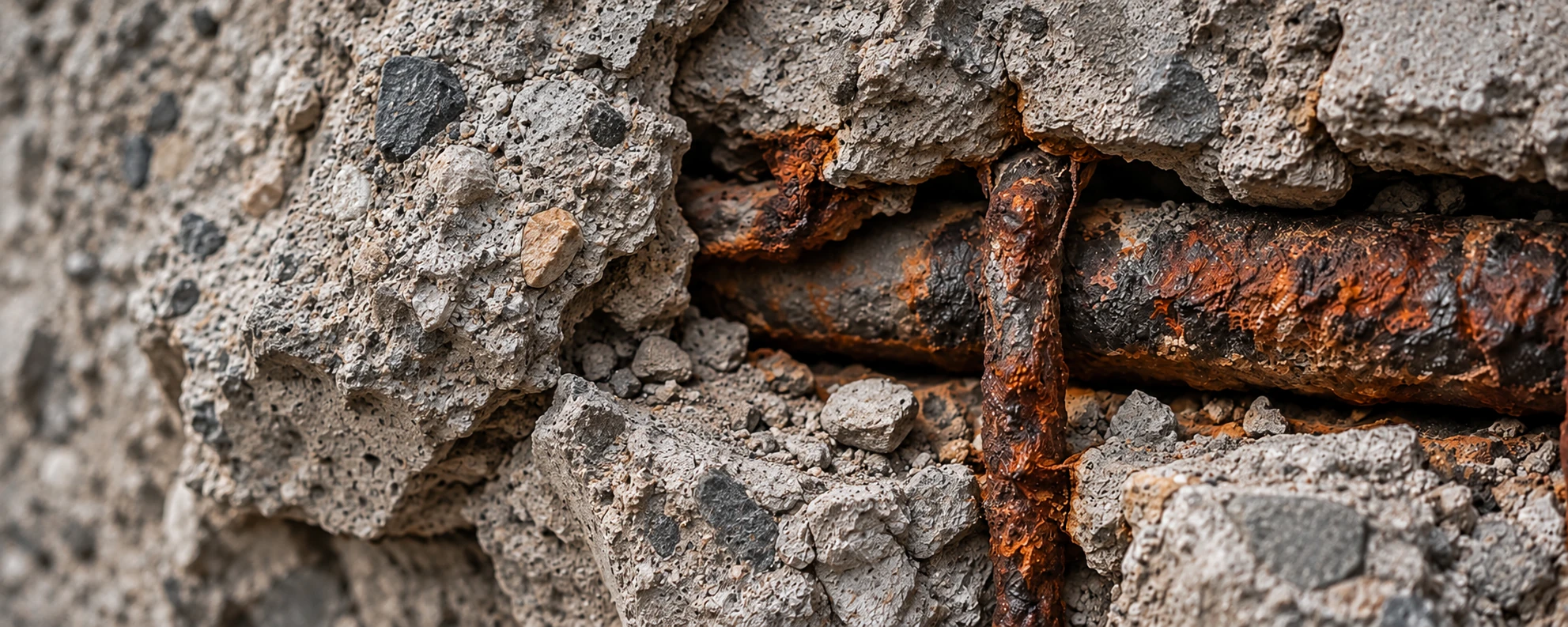
Concrete cancer occurs when water, carbon dioxide and chlorides penetrate concrete and reach the steel reinforcement, causing it to rust, expand and crack the surrounding concrete.
Our proven repair systems remove the damaged concrete, treat the reinforcement and restore the structure using high-performance materials designed to protect and extend the life of your concrete.
We combine technical expertise with premium materials to deliver repairs that are built to last.
ACCURATE
ASSESSMENT.
TARGETED SOLUTIONS.
Our detailed inspection and scoping process ensures we identify the root cause and provide the most effective, long-term repair solution for your structure.
EXPERT ASSESSMENT.
LASTING RESULTS.
Detailed Inspection
We inspect and identify the extent and cause of concrete cancer.
Clear Scope
We define the required repairs and communicate the best solution.
Transparent Quote
You receive a detailed, obligation-free quote with no hidden surprises.
Expert Solutions
Repairs completed to the highest standard for long-term protection.

WHAT IS
CONCRETE CANCER?
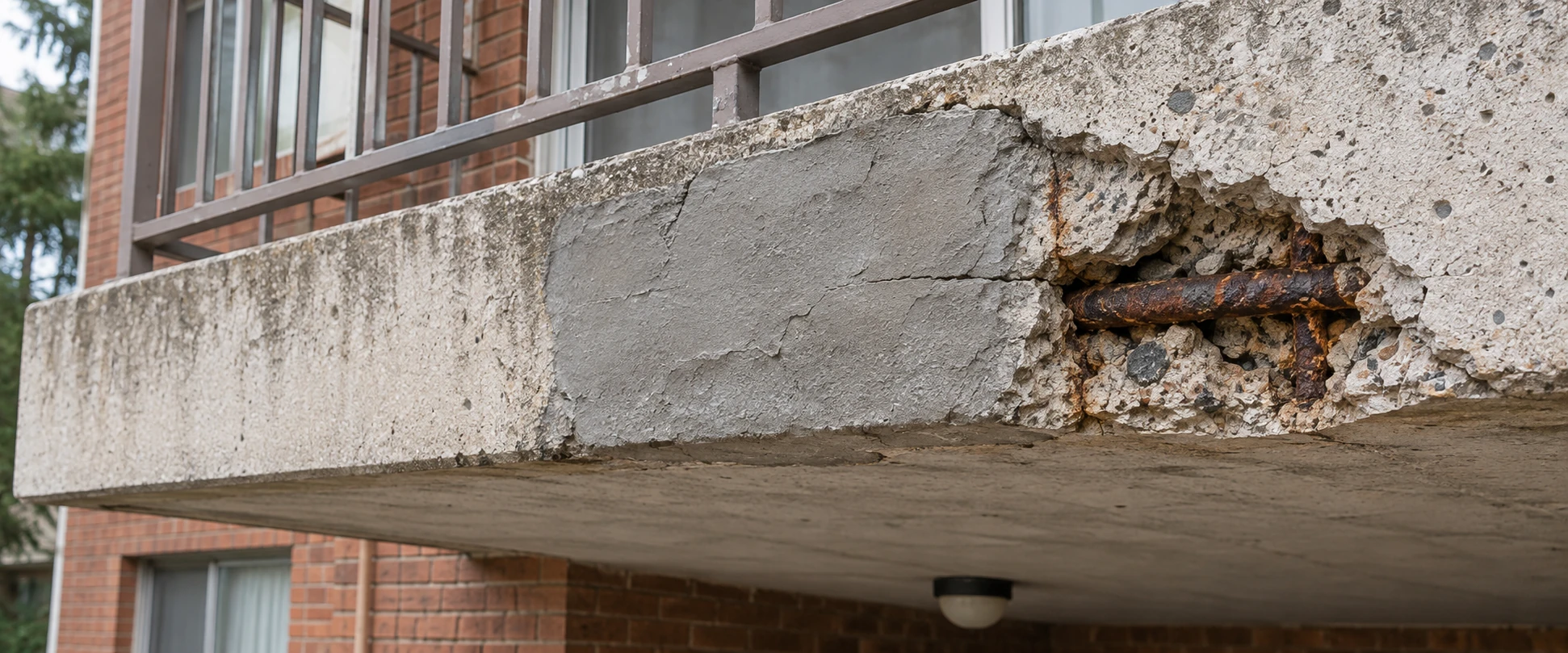
Concrete cancer is the corrosion of steel reinforcement caused by moisture, salts and carbon dioxide penetrating the concrete. As the steel rusts, it expands, causing cracking, spalling and loss of structural integrity.
MORE THAN A
SURFACE DEFECT.
Visible cracking and spalling can be signs of damage beneath the surface. Corrosion may extend beyond the exposed area, so the condition of both the concrete and the embedded steel needs to be assessed.
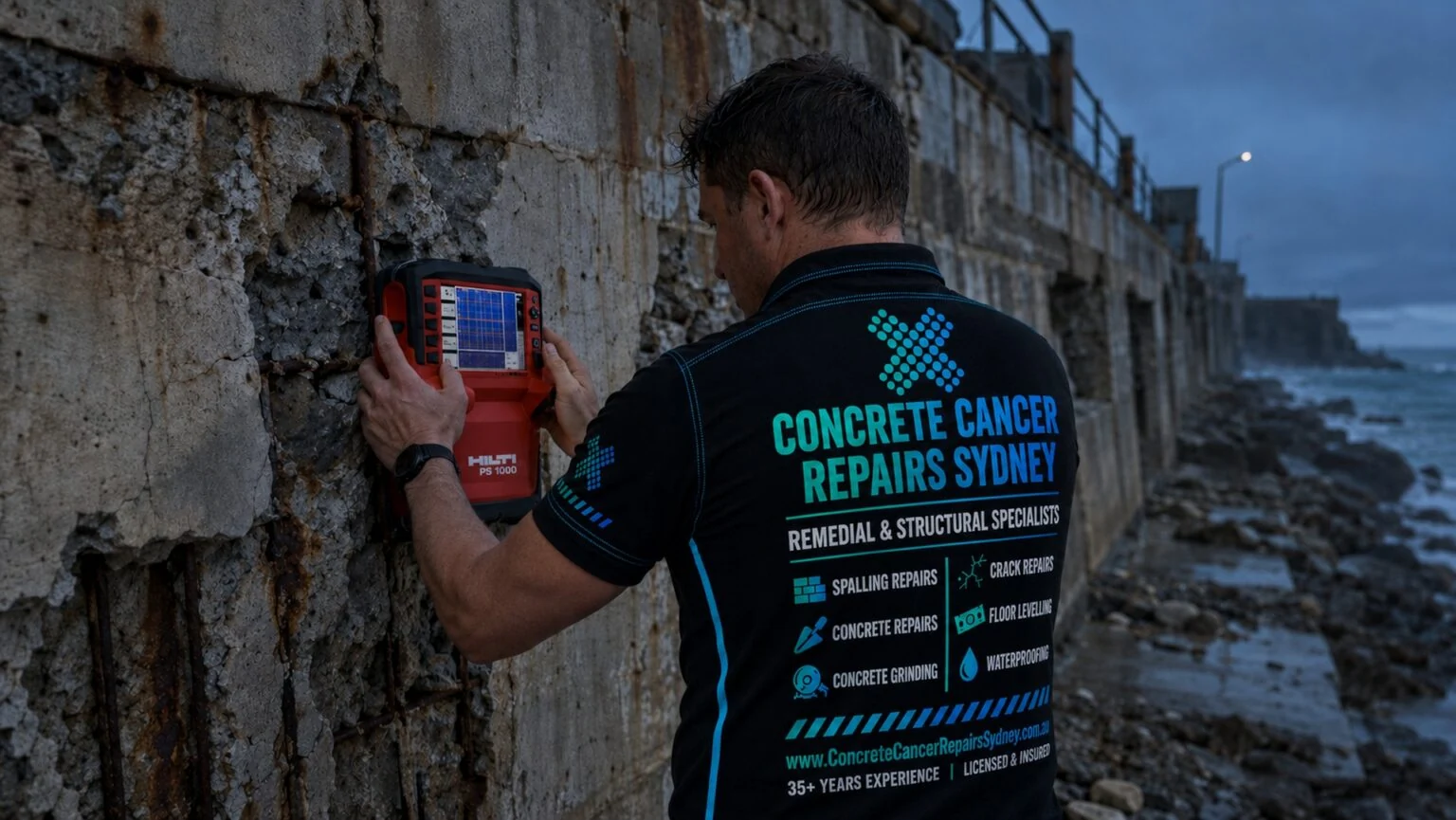
COMMON SIGNS & CAUSES
OF CONCRETE CANCER
Concrete cancer is a progressive deterioration caused by environmental factors. Identifying the signs early and understanding the causes is critical to preventing structural damage and costly repairs.
Rust Stains
Orange-brown staining from steel corrosion bleeding through the concrete.
Cracking
Surface cracks allow moisture and harmful agents to penetrate deeper.
Drummy Concrete
Hollow sounds indicate voids or delamination beneath the surface.
Delamination
Layers of concrete separate, reducing bond and strength.
Spalling
Flaking or chipping exposes reinforcement to moisture and salts.
Water Ingress
Moisture drives corrosion and accelerates deterioration.
Chloride Attack
Chlorides from saltwater penetrate and break down steel protection.
Carbonation
CO₂ in the air lowers pH, weakening concrete and enabling corrosion.
EARLY INTERVENTION PREVENTS ESCALATION.
Timely inspection and remediation can extend the life of your structure and save on future repair costs.
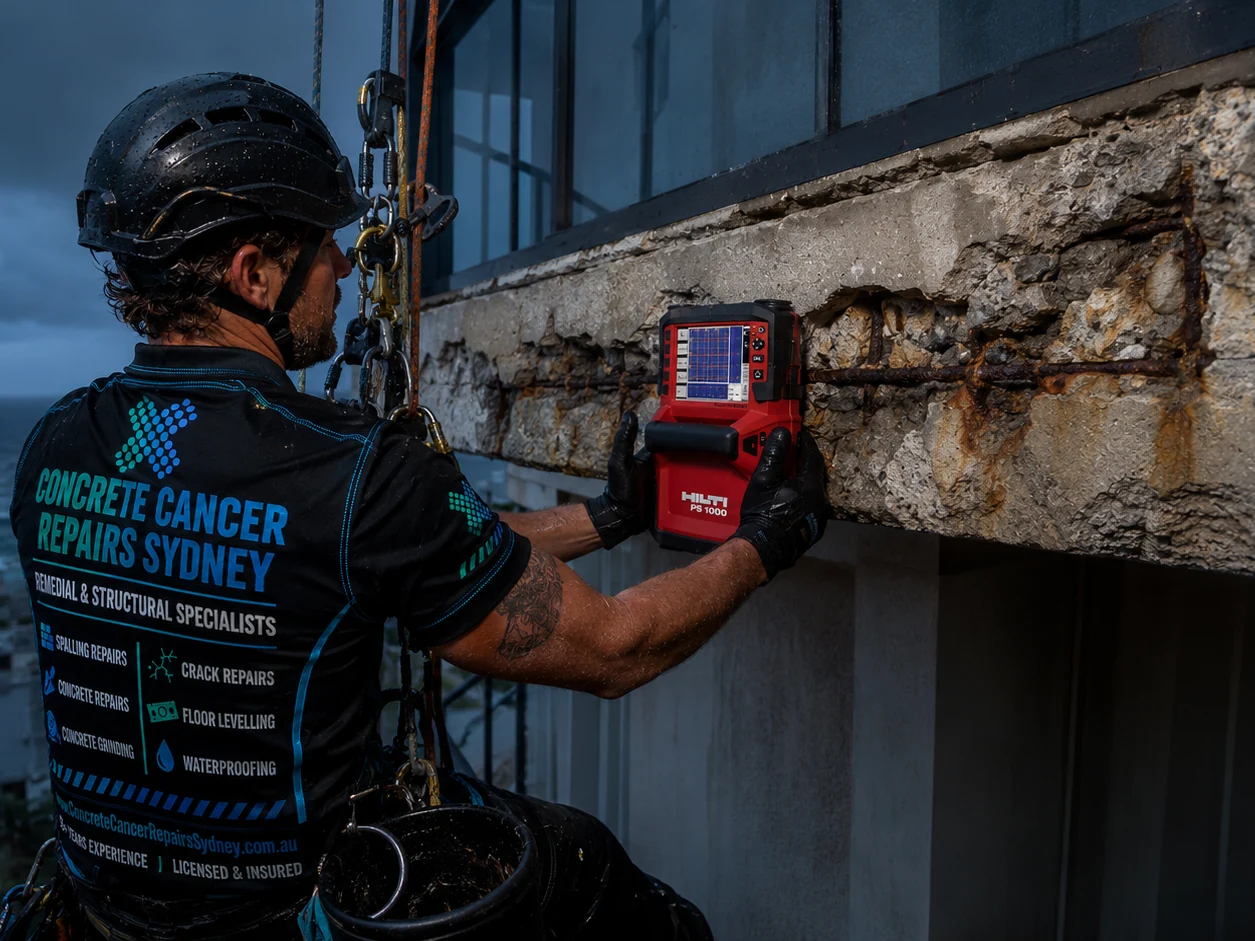
WHAT CAUSES CONCRETE CANCER &
CONCRETE SPALLING?
Deterioration is often accelerated by a combination of environmental, material and construction factors that lead to corrosion of steel reinforcement.
Magnesite Flooring
High-magnesium trowelled floors can react with moisture, causing expansion and cracking.
Proximity to the Coast
Salt-laden coastal air accelerates corrosion, especially in exposed concrete structures.
Water Penetration
Moisture ingress weakens concrete and promotes steel reinforcement corrosion.
High Salt Exposure
Salt spray and chlorides penetrate concrete, attacking reinforcement over time.
Carbonation
CO₂ reduces concrete alkalinity, breaking down its natural protection for steel.
Age & Environmental Conditions
Time, UV, rain, heat and weather cycles gradually break down concrete integrity.
Insufficient Concrete Cover
Inadequate cover leaves steel vulnerable to moisture, salts and carbonation.
Substandard Construction Techniques
Poor design, mixing, placement and curing compromise concrete strength and durability.
Failed Waterproofing
Compromised membranes and sealants allow water ingress and internal damage.
Movement & Cracking
Structural movement and cracks create pathways for water, chlorides and CO₂.
WHY CAN’T WE JUST
PATCH REPAIR
CONCRETE CANCER?
Because concrete cancer isn’t just a surface issue. Patching only treats what’s visible. The corrosion continues underneath, leading to recurring damage, rust stains, and costly repairs.
CORROSION CONTINUES UNDERNEATH
Patches can’t stop rust from spreading to untouched steel.
PATCHES DON’T BOND LONG TERM
Moisture, salts and movement can cause patched areas to fail.
DAMAGE RETURNS
The underlying issue resurfaces, often worse than before.
MORE COSTLY OVER TIME
Temporary fixes lead to repeated repairs and higher costs.
PATCH THE CAUSE — NOT JUST THE DAMAGE.
Proper remediation identifies the extent of corrosion, removes unsound concrete, treats the reinforcement and rebuilds the affected area correctly.
OUR 11 STEP
CONCRETE CANCER
REPAIR PROCESS
A proven, methodical process to identify, treat and protect your asset — delivering long-lasting,
high-quality results and peace of mind.
- 1Site Inspection & AssessmentThorough assessment to identify the extent of damage.
- 2Determine Repair MethodRecommend the most effective repair solution for your structure.
- 3Safety & Access PreparationSet up safe work practices and access equipment.
- 4Concrete RemovalCarefully remove damaged and deteriorated concrete.
- 5Reinforcement CleaningClean and prepare exposed steel reinforcement.
- 6Reinforcement TreatmentTreat steel reinforcement to prevent future corrosion.
- 7Replacement Bar (if required)Install new reinforcement where needed.
- 8Bonding AgentApply high-performance bonding agent for optimal adhesion.
- 9Concrete ReinstatementReinstate with high-quality, durable concrete repair materials.
- 10Finishing & CuringFinish to match surrounding surfaces and allow proper curing.
- 11Final Inspection & HandoverComplete quality check and handover for your peace of mind.
- 1Site Inspection & AssessmentIdentify the extent of damage.
- 2Determine Repair MethodRecommend the best solution.
- 3Safety & Access PreparationSet up safe work practices.
- 4Concrete RemovalRemove damaged concrete.
- 5Reinforcement CleaningClean exposed steel reinforcement.
- 6Reinforcement TreatmentTreat to prevent future corrosion.
- 7Replacement Bar (if required)Install new reinforcement.
- 8Bonding AgentApply high-performance bonding agent.
- 9Concrete ReinstatementReinstate with durable materials.
- 10Finishing & CuringFinish to match and allow proper curing.
- 11Final Inspection & HandoverComplete quality check and handover for your peace of mind.

WATER INGRESS
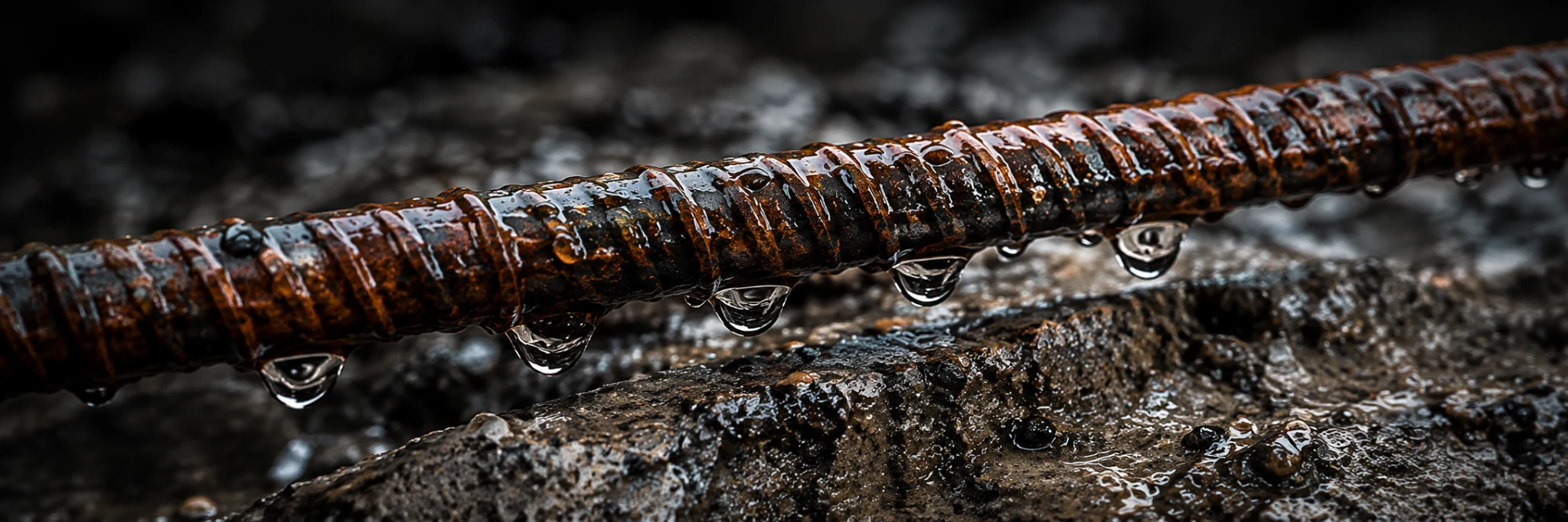
Water can enter through cracks, failed membranes, joints, drainage defects and porous concrete. When moisture repeatedly reaches embedded reinforcement, corrosion can continue even after the obvious surface defect appears.
Where water ingress is contributing to the damage, the source should be considered as part of the wider remediation strategy.
CONCRETE CANCER
REPAIRS – CASE STUDIES
Real projects. Real results. Explore how we’ve helped property owners, strata managers and commercial clients across Sydney protect and extend the life of their concrete structures.
VIEW ALL CASE STUDIES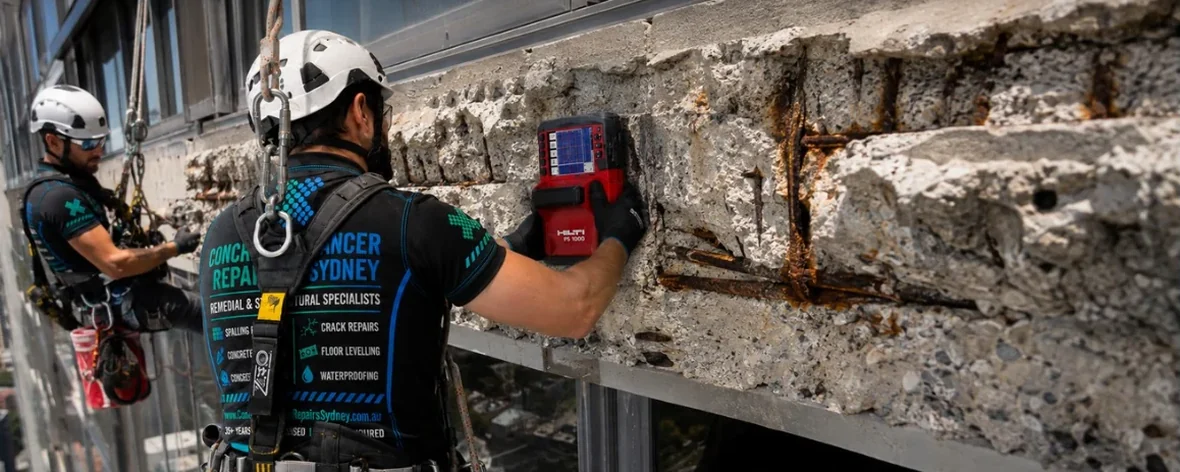
MAJOR CBD COMMERCIAL TOWER FAÇADE & STRUCTURAL CONCRETE REMEDIATION
High-Rise Commercial Tower
Façade, podium & roof concrete
Structural concrete remediated across tower elevations.
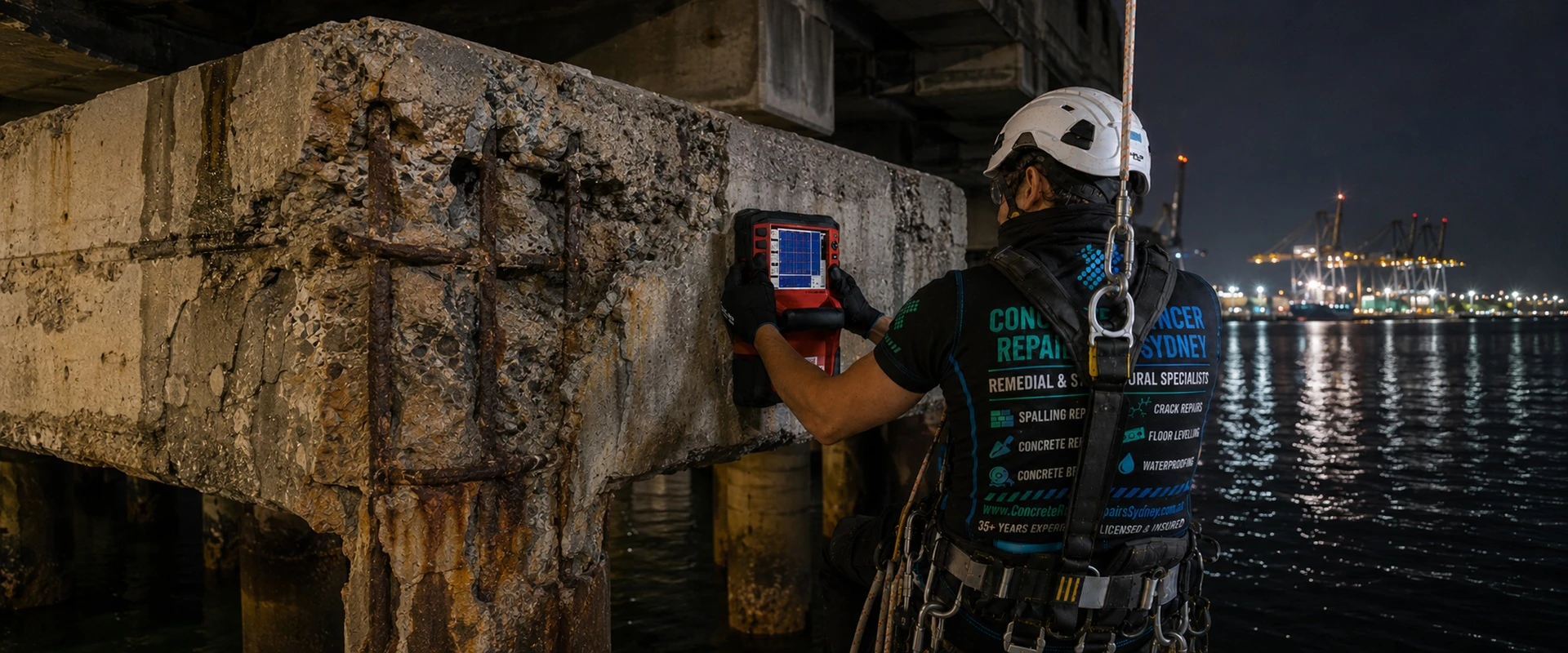
MARINE WHARF HEADSTOCK REMEDIATION – PORT BOTANY
Marine Wharf Infrastructure
Wharf headstock remediation
Headstock reinstated and reinforcement re-encapsulated.
Real Before & After Repair Results


We deliver high-quality repairs that restore strength, safety and appearance by addressing the underlying cause of deterioration and reinstating damaged concrete.
Before Damage
Identify spalling, corrosion and structural deterioration.
Repair Process
Engineered remediation using proven techniques and materials.
After Reinstatement
Surface reinstatement for structural integrity and durability.
Access Methods For Difficult Repair Areas
We use proven access solutions and strict safety systems to reach and repair challenging concrete areas safely and efficiently.
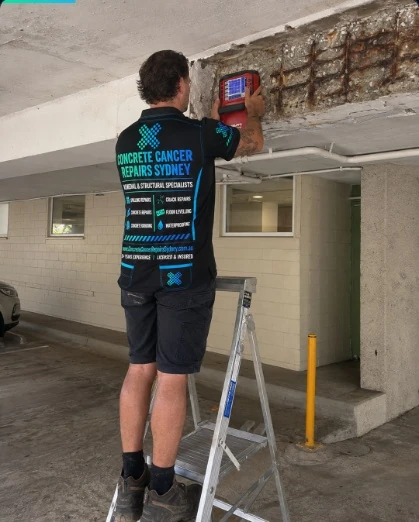
Ladders
Practical access for lower-height inspections and short-duration repair tasks, using ladders or compact platforms where the work area and site conditions allow.
EXPLORE THIS METHOD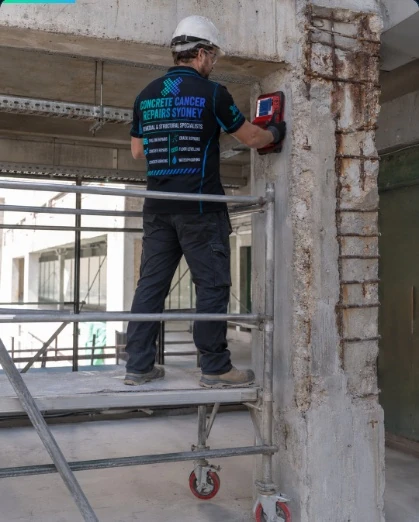
Mobile Scaffolding
Flexible work platforms for car parks, internal zones and nearby repair areas, providing a stable work deck that can be repositioned as repairs progress.
EXPLORE THIS METHOD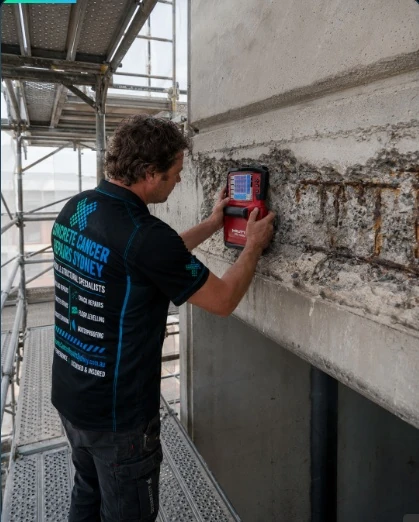
Fixed Scaffolding
Stable, continuous access for larger and longer-duration concrete repairs, supporting repeated work across façades, balconies and multiple building levels.
EXPLORE THIS METHOD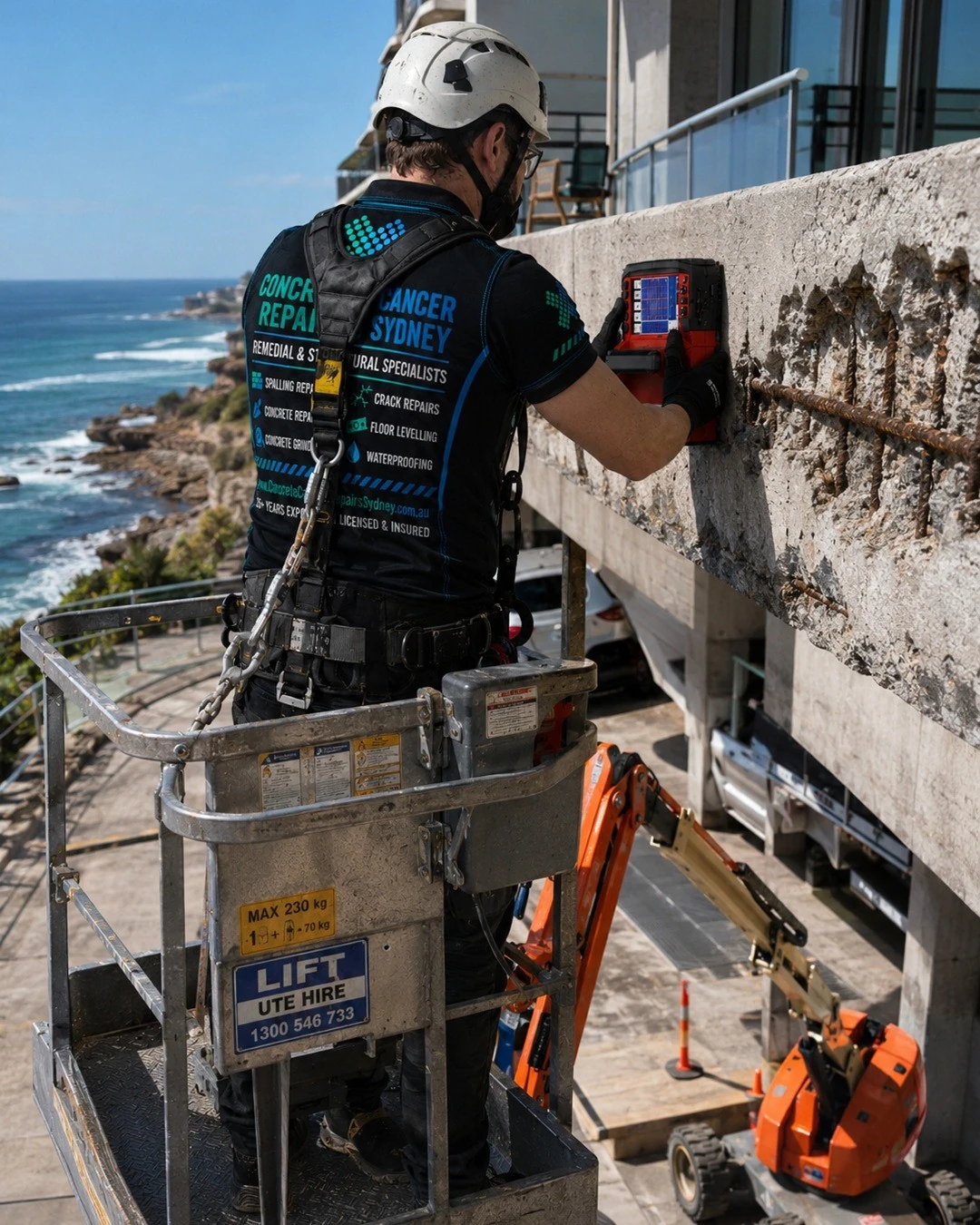
Elevated Work Platforms
Boom lifts, scissor lifts and other elevated platforms provide reach and flexible positioning for concrete repairs where suitable ground access is available.
EXPLORE THIS METHOD
Swing Stages
Suspended platforms provide repeated access along façades and slab edges, moving between building levels for concrete repairs where ground access is limited.
EXPLORE THIS METHOD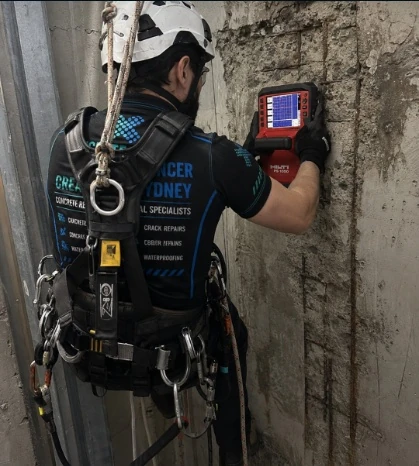
Rope Access
Targeted access to isolated, obstructed and difficult-to-reach repair areas, including façades, slab edges and soffits where conventional platforms are impractical.
EXPLORE THIS METHOD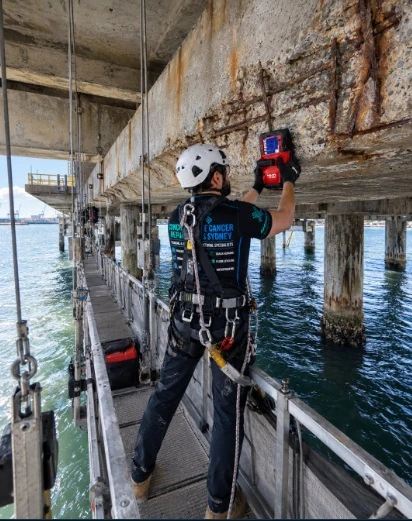
Suspended Scaffolding & Work Platforms
Hung scaffold, suspended decks and temporary work platforms for undersides, bridges, wharves and difficult repair zones.
EXPLORE THIS METHOD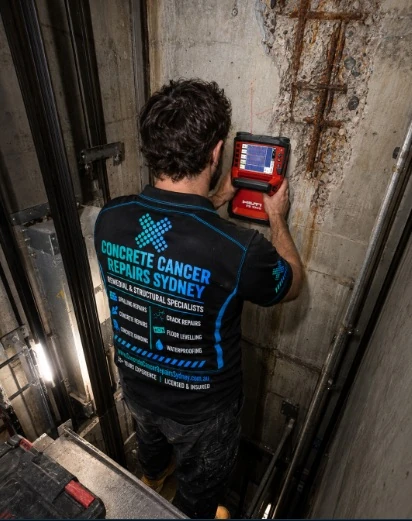
Confined & Restricted Access
Access planning for pits, shafts, narrow voids and low-clearance basements, with the approach tailored to the available space and the position of the repair area.
EXPLORE THIS METHOD
STAGED REPAIRS WITH MINIMAL
DISRUPTION
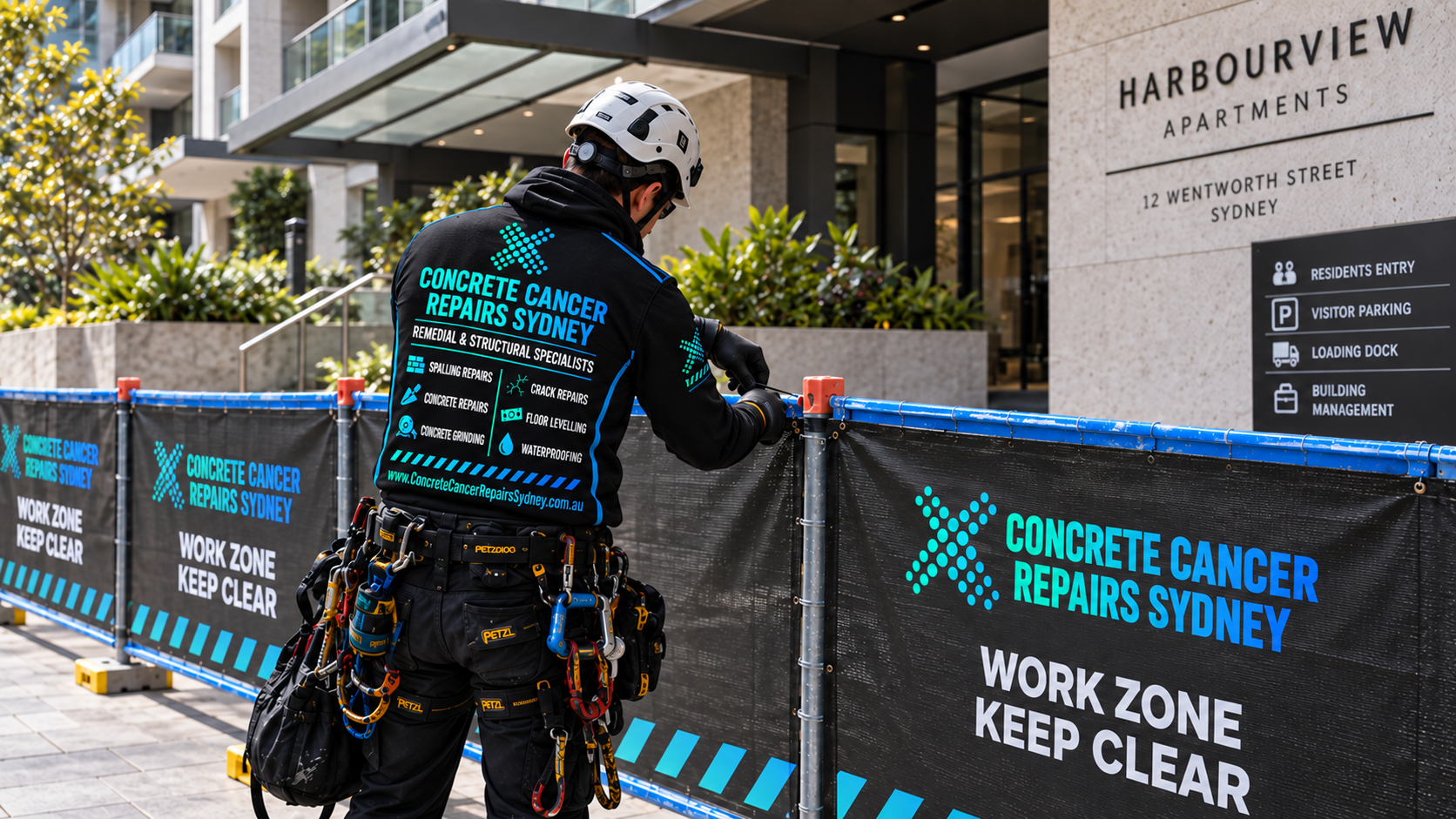
We plan and deliver repairs in staged work zones to keep residents, tenants and businesses moving with minimal disruption. Safe access, clear communication and smart sequencing keep your property operational throughout.
CONTROLLED
WORK ZONES
Clearly defined zones and barriers to keep people safe.
RESIDENT
ACCESS
Maintained access routes with proactive communication.
OPERATIONAL
CONTINUITY
Smart sequencing to minimise impact and downtime.
HOW WE STAGE WORKS
Clear stages. Safe access. Less disruption.
From the first site assessment to final handover, we coordinate every detail — including work zones, access and repair stages around the people using your building. Our staged approach minimises disruption, keeps everyone safe, and ensures high-quality, long-lasting results with clear communication at every step.
-
SITE ASSESSMENT & PLANNING
We assess the site, identify risks and develop a detailed staging plan tailored to your property, access needs and the people using the building.
-
WORK ZONE SETUP
Controlled work zones, barriers and signage keep people safe, separate repair areas and clearly identify access routes around the site.
-
ACCESS & LOGISTICS
Safe access solutions (rope access, scaffold or EWPs) are implemented and deliveries are coordinated to minimise disruption.
-
SEQUENCED REPAIRS
Repairs are carried out in planned stages using proven techniques, with ongoing quality checks to keep work progressing safely.
-
ONGOING COMMUNICATION
We keep you informed with regular progress updates and access notices, so everyone knows what's happening and what to expect next.
-
PROJECT COMPLETION
Final inspections, clean-up and handover of completed works, leaving your property safe, compliant and ready for the future.
AREAS WE SERVICE
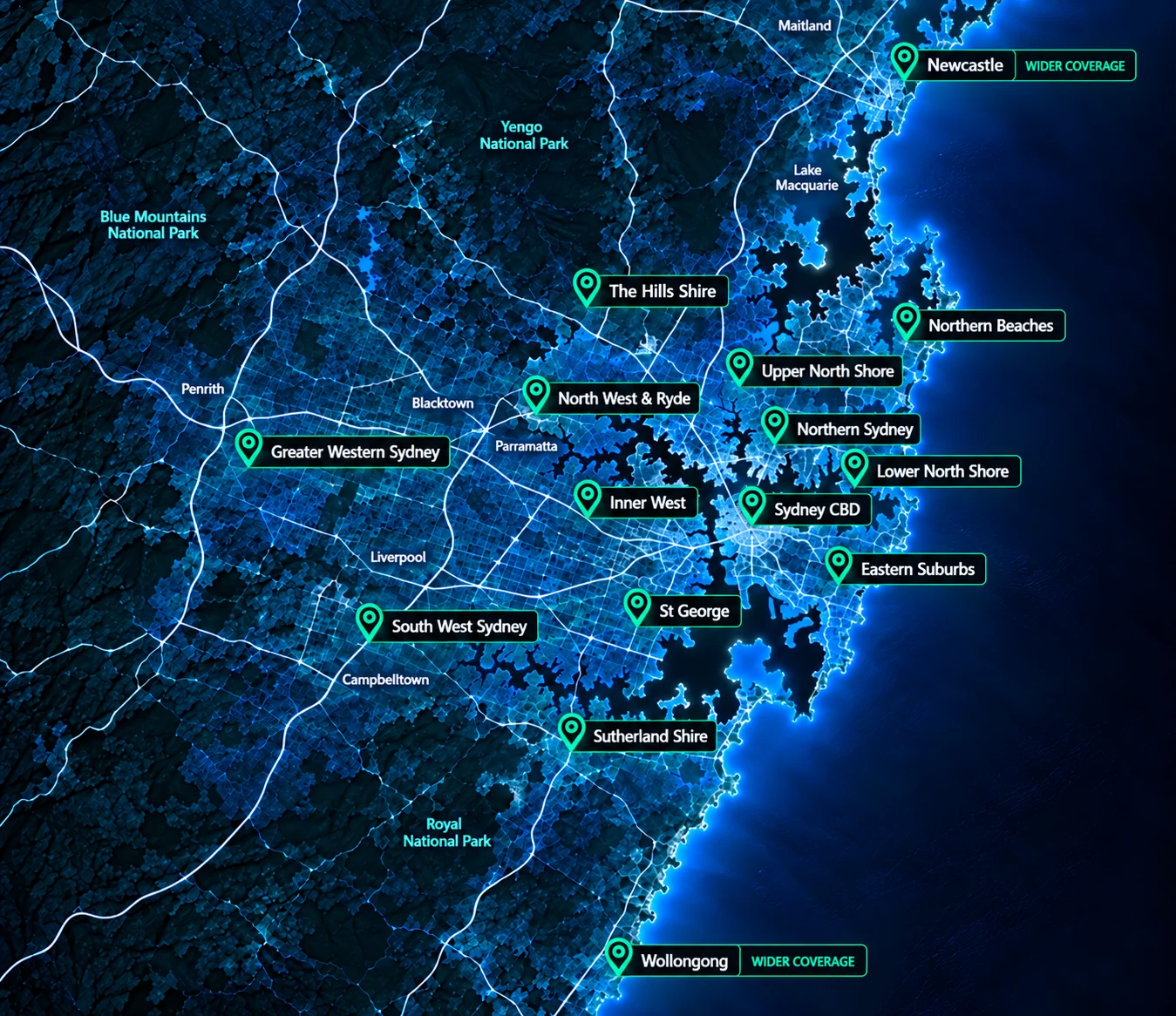
ACROSS SYDNEY.
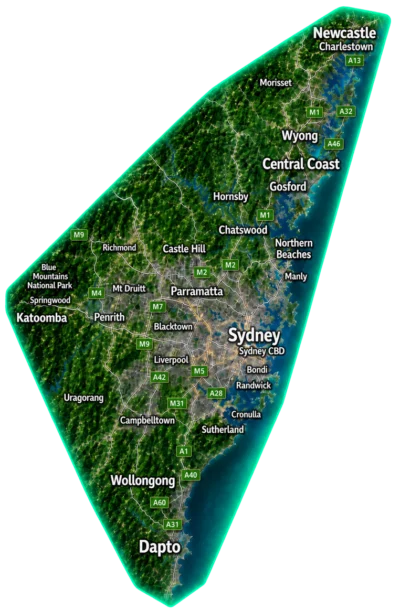
We provide specialist concrete cancer repairs, concrete spalling remediation and structural concrete repair across Sydney, with wider coverage throughout the Newcastle–Central Coast–Sydney–Wollongong corridor for residential, strata, commercial and infrastructure properties.
Common service areas include: Chatswood, North Sydney, Ryde, Parramatta, Castle Hill, Bella Vista, Hornsby, Brookvale, Mona Vale, Bondi, Randwick, Mascot, Botany, Alexandria, Miranda, Hurstville, Kogarah, Liverpool, Bankstown, Campbelltown, Blacktown, Penrith, Wetherill Park, Silverwater, Seven Hills, Prestons and Ingleburn.
Our Concrete Cancer Repair FAQs
Below are answers to common questions about concrete cancer inspections, repair methods, pricing and reinforced-concrete deterioration.
How Can We Help You Today?
Choose the option that best matches your situation and get expert help from Sydney’s concrete cancer
and structural repair specialists.
I Need Someone To Inspect The
Damage
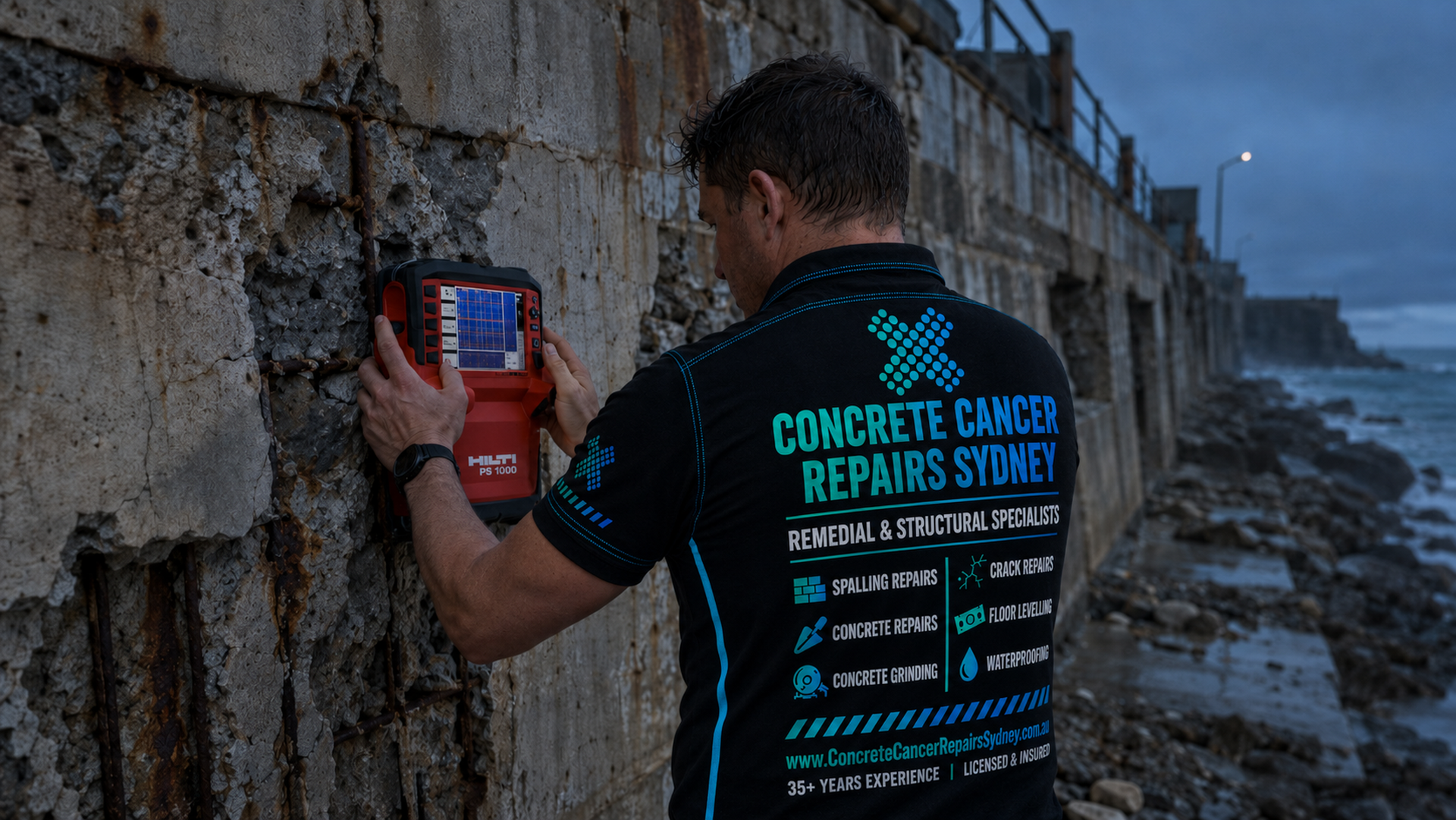
Choose this option when the concrete damage has not yet been professionally assessed or the required repair scope is unclear.
I Already Have A Report And Need
Repair Quotes
Choose this option when you already have an engineer’s report, defect report, marked-up plans or a defined tender scope.