


What Is Concrete Spalling? (Surface Damage Explained + Warning Signs)
Concrete spalling refers to the visible deterioration and surface breakdown of concrete caused by weather exposure, moisture penetration, ageing, or minor structural movement within a slab or wall. Unlike concrete cancer—which involves internal corrosion—concrete spalling primarily affects the outer layer of the concrete, where the surface begins chipping, flaking, or crumbling away.
Although some people consider spalling to be purely cosmetic, it is often an early indication that moisture has entered the concrete and may eventually reach the internal reinforcing steel, turning a surface issue into serious structural deterioration if ignored.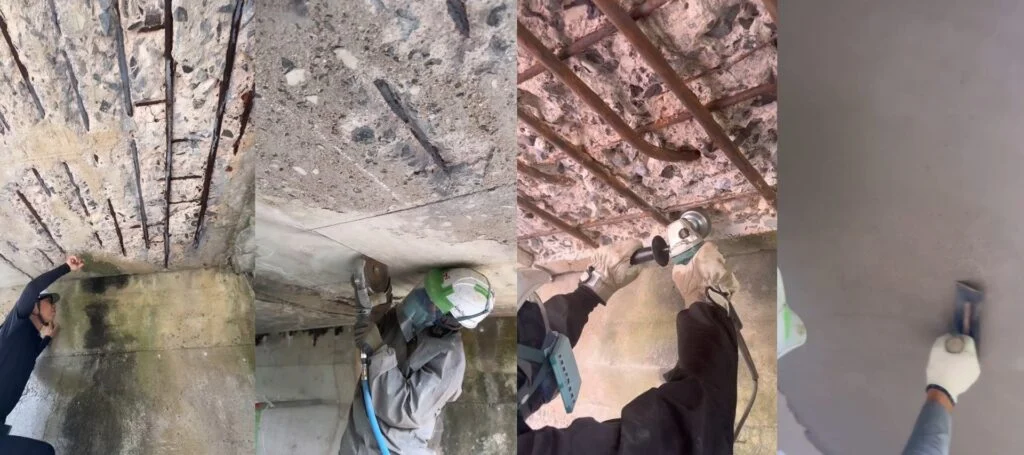
How Concrete Spalling Develops
Concrete naturally has microscopic pores and can absorb moisture over time. When this moisture moves through the concrete surface—especially during wet weather or in coastal locations—it can cause surface deterioration, cracking, and peeling.
Some common triggers include:
– Ageing or weathered concrete
– Lack of waterproofing
– Poor construction practices
– Minor cracking that allows moisture in
– Salt exposure near coastlines (very common in Sydney)
– Freeze/thaw conditions in colder climates
At this stage, the steel reinforcement may not be corroding yet, but the concrete surface is compromised enough that moisture can eventually reach the steel if repairs are delayed.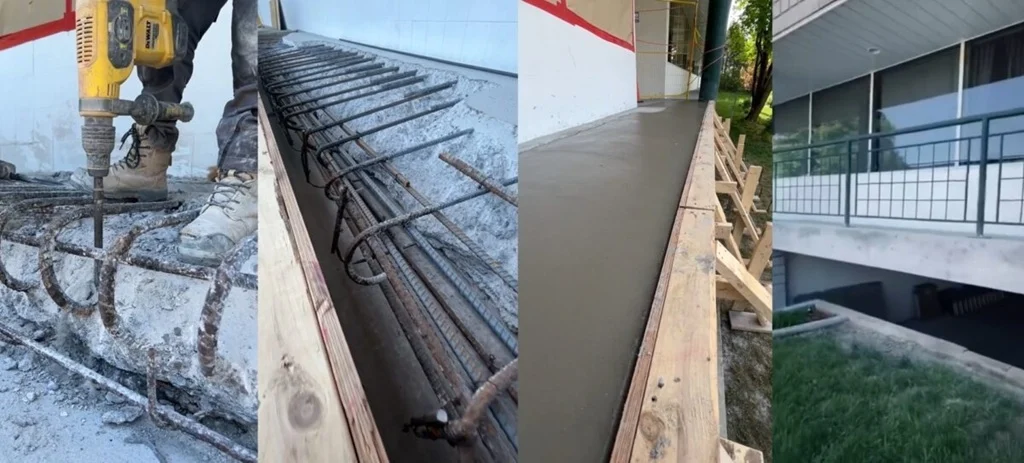
Signs You’re Dealing With Concrete Spalling Rather Than Concrete Cancer
Concrete spalling is generally visible and easy to identify. Symptoms often include:
– Concrete flaking or chipping
– Surface crumbling
– Rough exposed concrete
– Small cracks around corners or edges
– Discoloured patches
– Peeling or lifting sections of surface coating
In early stages the concrete may feel weak under pressure, and tapping the surface can produce a hollow sound.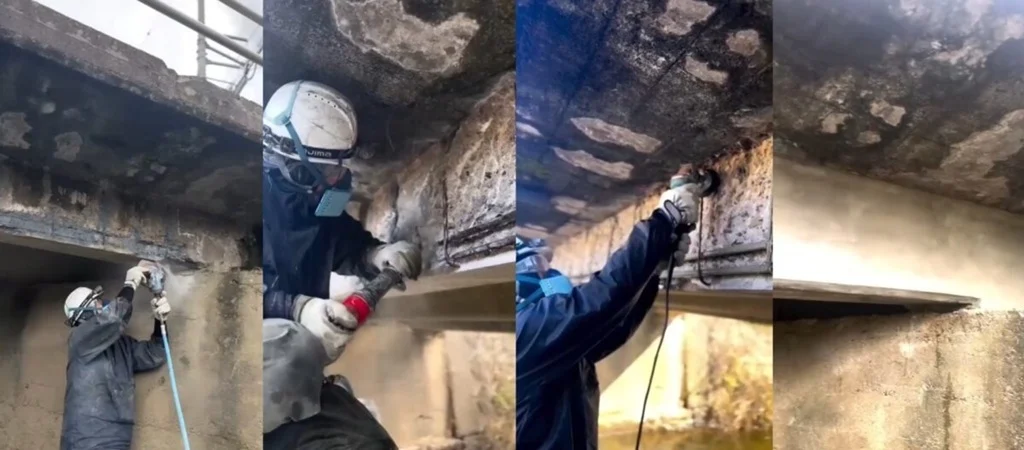
Why You Shouldn’t Ignore Spalling
Although spalling may start as a surface-level problem, moisture can quickly travel deeper into the slab. If water eventually reaches the internal reinforcement steel, this surface issue can progress into full concrete cancer, significantly increasing repair costs and structural risks.
Timely repair prevents:
– Water penetration
– Corrosion of the steel
– Spreading deterioration
– Larger structural failures
– Expensive future remediation
Early intervention is always cheaper and far less invasive than repairing advanced concrete cancer.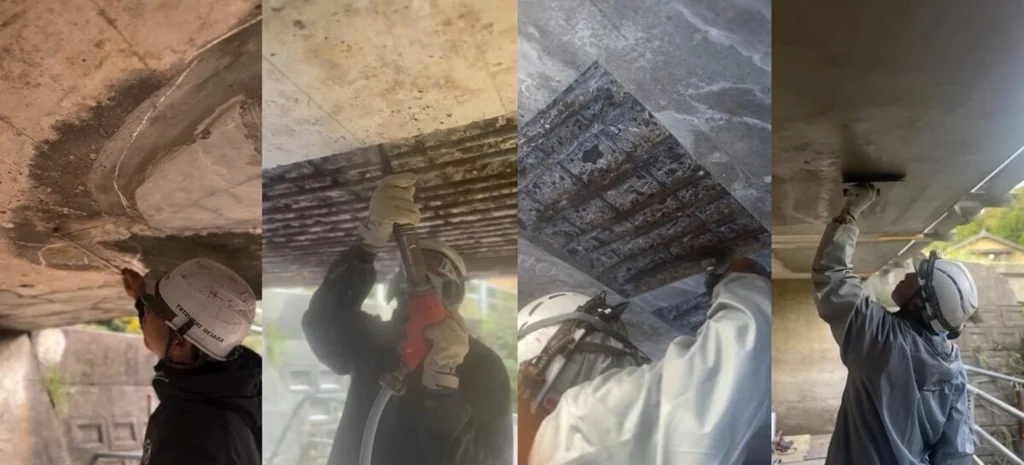
Need A Concrete Cancer Repair Quote?
If you are unsure how serious the damage is, the safest option is to organise an inspection before the issue becomes worse.
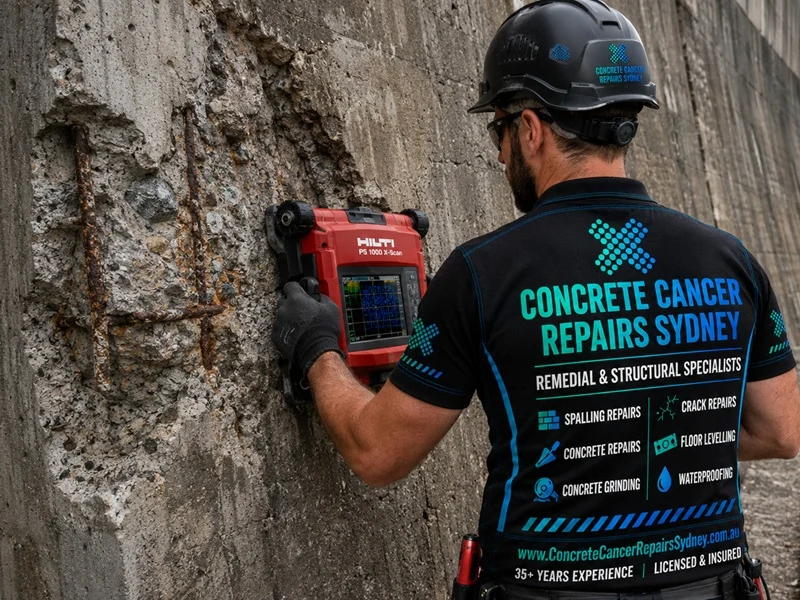
Concrete Cancer Repairs Sydney provides concrete cancer inspections, corrosion treatment, concrete spalling repairs and structural concrete repairs for residential, strata, commercial and industrial properties.
Our team can assess the affected area, identify the likely cause, and recommend the right repair method before the damage becomes more expensive to fix.
Contact our team today to arrange a Free Quote.


OFFICE LINE
WORKING HOURS