


FLASHING REPAIRS
Specialist brick cavity flashing repairs that stop water ingress,
protect your structure, and prevent costly damage.
We inspect and repair failed cavity flashing around brickwork, windows,
doors and balconies across Sydney, helping prevent trapped moisture,
rusting lintels, damaged mortar and deterioration to surrounding
concrete and internal finishes.
from hidden leaks
premium materials
Proven results.
and leaking cavities
water and corrosion
before damage spreads

BRICK CAVITY FLASHING REPAIRS
Specialist cavity flashing repairs
that stop water ingress, protect
your structure, and prevent
costly damage.
from hidden leaks
premium materials
Proven results.
CONCRETE CANCER REPAIRS SYDNEY
Specialist repairs for concrete spalling, corroded reinforcement and deteriorated balconies, slabs and structural elements.
SPECIALISTS
restore strength and safety.
& RESIDENTIAL
and homeowners across Sydney.
INSPECTION
and expert advice.
Brick Cavity Flashing Repairs Sydney
Brick Cavity Flashing Repairs Sydney

Expert Brick Cavity Flashing Repairs In Sydney
Concrete Cancer Repairs Sydney provides targeted brick cavity flashing repairs for properties affected by hidden water ingress, failed cavity trays, blocked weep holes, deteriorated masonry, and moisture-related concrete damage.
Brick cavity flashing is concealed inside the wall, so the issue is often more serious than it first appears. A small leak around a window or door may be caused by failed flashing, missing drainage paths, blocked weep holes, corroded lintels, cracked mortar joints, balcony leaks, or water tracking through the façade.
Our brick cavity flashing repair work commonly includes:
– Failed flashing inspections
– Cavity tray repairs and replacement
– Weep hole correction
– Moisture ingress investigation
– Brickwork removal and reinstatement
– Concrete cancer and concrete spalling checks
The goal is to stop water from being trapped inside the wall system and protect the structural components behind the brickwork.
What Is Brick Cavity Flashing?
Brick cavity flashing is a concealed waterproofing and drainage barrier installed inside a masonry wall cavity.
Brick walls are not completely waterproof. During rain, moisture can pass through the outer brick skin and enter the cavity behind the wall. Cavity flashing is designed to catch that moisture and direct it safely back outside through weep holes before it reaches internal walls, steel lintels, reinforced concrete, insulation, timber framing, or plasterboard.
Brick cavity flashing is commonly installed:
– Above windows
– Above doors
– Around steel lintels
– At balcony junctions
– At slab edges
– Beneath parapet walls
– Near roof and wall junctions
– Around façade penetrations
– Around masonry openings
When the flashing works correctly, moisture drains out of the cavity. When it fails, water can sit inside the wall and cause hidden damage over time.
Why Failed Brick Cavity Flashing Is A Serious Problem
Failed brick cavity flashing is not just a waterproofing issue. It can become a structural deterioration issue.
When water stays inside a brick cavity, it can contribute to:
– Rusting steel lintels
– Concrete cancer
– Concrete spalling
– Expansion cracking
– Damp internal walls
– Mould growth
– Deteriorated mortar joints
– Brick movement
– Rust stains on brickwork
– Water damaged plasterboard
– Failed waterproofing interfaces
– Ongoing façade leaks
Surface sealing, painting over stains, or patching visible cracks often does not fix the real problem. If the cavity drainage system has failed, the moisture source needs to be located and repaired properly.
Common Signs You Need Brick Cavity Flashing Repairs
You may need brick cavity flashing repairs if you notice:
– Water leaking around windows or doors
– Damp patches on internal walls after rain
– Bubbling paint or swollen plasterboard
– Rust stains bleeding through brickwork
– Cracked mortar joints above openings
– Brickwork movement or displacement
– Mould, musty smells, or recurring dampness
– Water staining below balconies or slab edges
– Rusting steel lintels
– Concrete spalling near brickwork
– Leaks that return after previous sealing work
– Moisture appearing after heavy rain or wind-driven rain
– Efflorescence or white staining on brickwork
– Wet skirting boards, carpet, or wall linings near external walls
A visible leak is often only the symptom. The real issue may be hidden inside the cavity.
What Causes Brick Cavity Flashing To Fail?
Brick cavity flashing can fail for several reasons, especially in older Sydney buildings, coastal buildings, apartment blocks, and properties exposed to long-term moisture movement.
Common causes include:
– Age-related deterioration
– Poor original installation
– Missing cavity trays
– Damaged flashing
– Incorrect flashing laps
– Blocked weep holes
– Mortar droppings inside the cavity
– Cracked brickwork
– Failed window sealants
– Balcony waterproofing leaks
– Poor flashing termination around openings
– Poorly integrated waterproofing systems
– Structural movement
– Render or paint blocking original drainage points
– Previous repairs that did not fix the cause
In many cases, more than one defect is involved. The correct repair depends on identifying where the water is entering, where it is travelling, and why the original drainage path is no longer working.
Brick Cavity Flashing Around Windows And Doors
Windows and doors are some of the most common areas for brick cavity flashing failure.
Above many openings, steel lintels support the brickwork. If the cavity flashing above the opening fails, water can sit around the lintel. Over time, the lintel may rust, expand, and push against the surrounding brickwork.
This can cause:
– Cracking above windows
– Rust staining on bricks
– Displaced brickwork
– Sagging or distorted brick courses
– Failed mortar joints
– Water leaking inside the property
– Concrete spalling near openings
– Ongoing façade movement
Correct repair may require careful removal of selected brickwork, exposure of the cavity, assessment of the flashing and lintel condition, installation of new flashing, correction of weep holes, corrosion treatment, and masonry reinstatement.
This work needs to be completed carefully so the wall remains structurally sound and the repaired area blends properly with the existing façade.
What Are Weep Holes?
Weep holes are small openings in brickwork that allow water inside the wall cavity to drain back outside.
Cavity flashing and weep holes work together. Flashing collects and redirects moisture. Weep holes provide the exit path.
If weep holes are missing, blocked, covered by render, sealed shut, or filled with mortar debris, water can remain trapped inside the wall. This can increase the risk of internal leaks, damp plasterboard, rusting lintels, concrete spalling, and façade deterioration.
Weep hole problems are common in older buildings, rendered façades, painted brickwork, renovated walls, and buildings where previous repairs were completed without understanding the original cavity drainage system.
Our Brick Cavity Flashing Inspection Process
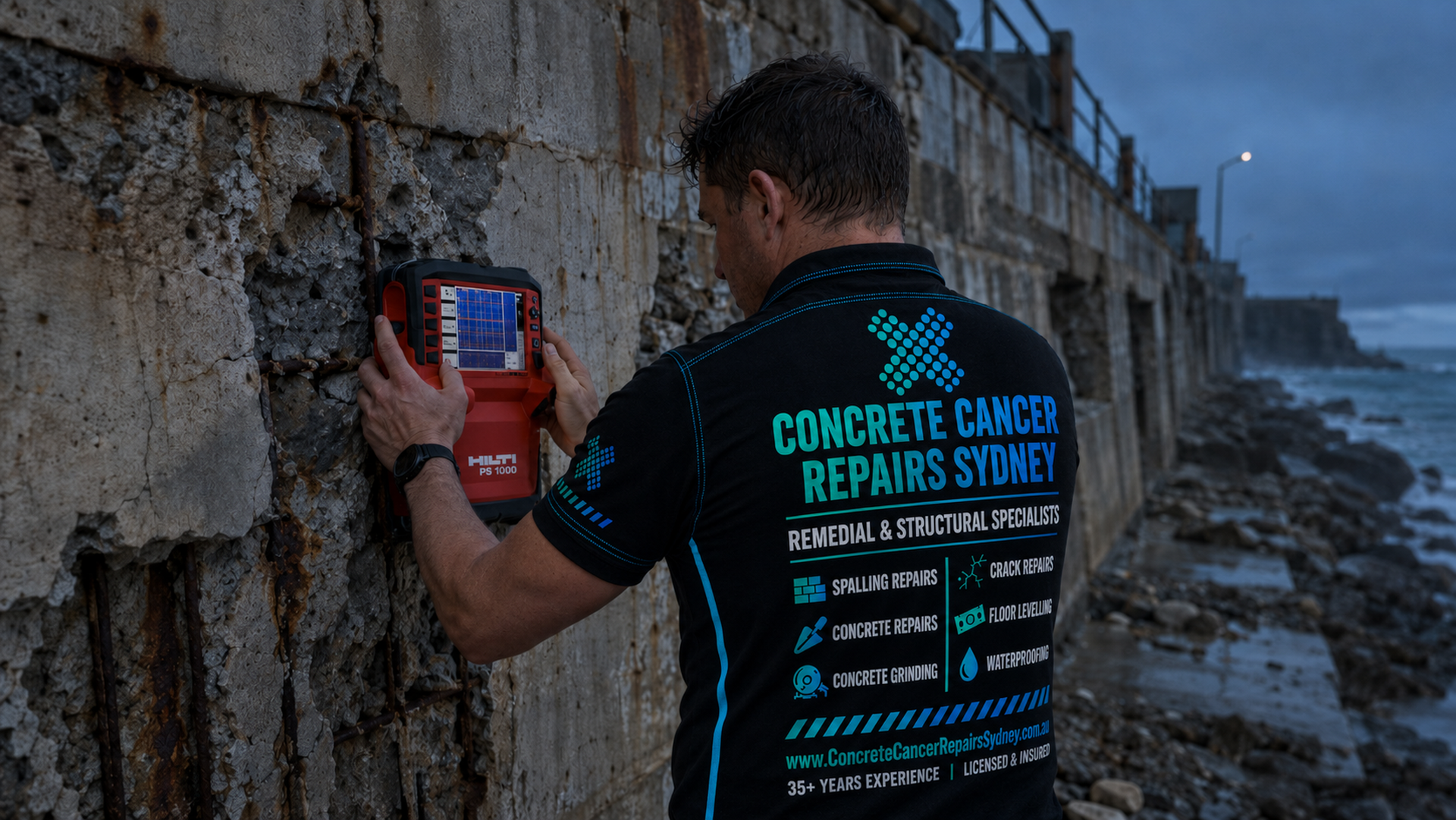
Concrete Cancer Repairs Sydney uses a practical inspection process designed to locate the source of water ingress and identify the correct repair method.
Our inspection may include:
1. External façade inspection
2. Internal leak and moisture damage assessment
3. Brickwork and mortar joint inspection
4. Window and door opening assessment
5. Lintel corrosion inspection
6. Weep hole inspection
7. Cavity drainage review
8. Waterproofing interface assessment
9. Concrete cancer and concrete spalling checks
10. Moisture pathway investigation
11. Access and repair scope planning
12. Clear repair recommendations and quote preparation
Every building is different. Some leaks are caused by failed cavity flashing. Others are caused by blocked weep holes, cracked masonry, failed window sealants, balcony waterproofing problems, rusting lintels, or several issues working together.
A proper inspection helps identify the cause before repair work begins.
Our Brick Cavity Flashing Repair Process
The repair method depends on the building, the location of the leak, the condition of the flashing, and the extent of surrounding damage.
A typical brick cavity flashing repair may include:
1. Site inspection and diagnosis
2. Safe work area preparation
3. Dust-controlled access works where possible
4. Careful removal of selected brickwork if required
5. Exposure of the failed flashing or cavity tray area
6. Removal of deteriorated flashing materials
7. Lintel corrosion assessment and treatment where required
8. Installation of new cavity flashing or cavity tray systems
9. Correction or installation of weep holes
10. Waterproofing interface repairs where needed
11. Brickwork reinstatement
12. Mortar joint repairs
13. Clean-up and final inspection
The aim is not only to stop the immediate leak. The aim is to restore proper cavity drainage so moisture has a reliable path out of the wall.
Brick Cavity Flashing Repair Cost In Sydney
The cost of brick cavity flashing repairs in Sydney depends on the size of the affected area, the location of the leak, access requirements, how much brickwork needs to be removed, the condition of the existing flashing, and whether there is related lintel corrosion, concrete spalling, waterproofing failure, or internal wall damage.
Brick cavity flashing repairs are not usually priced as a simple fixed-rate service because the damage is often concealed inside the wall cavity. A small visible leak may only require targeted flashing, weep hole, or mortar joint repairs, while more advanced moisture ingress may require brickwork removal, cavity tray replacement, lintel treatment, waterproofing integration, and masonry reinstatement.
Common factors that affect pricing include:
– The height and location of the affected wall
– Whether scaffolding, ladders, or access equipment is required
– How much brickwork needs to be removed and reinstated
– Whether cavity trays or flashing need replacement
– Whether weep holes are blocked, missing, or incorrectly installed
– Whether steel lintels are rusting or expanding
– Whether concrete cancer or concrete spalling is present
– Whether waterproofing membranes or balcony junctions are contributing to the leak
– The extent of internal water damage
– Whether the property is residential, strata, commercial, or industrial
Concrete Cancer Repairs Sydney provides site inspections and clear repair recommendations so you understand what is causing the issue before committing to repair work.
For an accurate brick cavity flashing repair quote in Sydney, call or text 0424 408 330 or send photos through our online quote form.
Brick Cavity Flashing Results – Before & After
Brick cavity flashing repairs can make a major difference to buildings affected by leaking brickwork, damp internal walls, rust staining, cracked mortar joints, and moisture-related concrete damage.
Before repairs, failed cavity flashing can allow water to sit inside the wall cavity, causing ongoing moisture ingress around windows, doors, lintels, balconies, and slab edges. In some cases, this trapped moisture can contribute to rusting steel lintels, concrete spalling, and concrete cancer.
After proper remediation, the failed flashing or cavity tray system is repaired or replaced, weep holes are corrected where required, moisture is redirected back outside the wall, and the surrounding brickwork is reinstated. The result is a cleaner, safer, and more durable wall system designed to reduce future water ingress and protect concealed structural components.
At Concrete Cancer Repairs Sydney, we provide brick cavity flashing repairs, moisture ingress investigations, cavity tray repairs, weep hole correction, and concrete cancer inspections across residential, strata, commercial, and remedial buildings throughout Sydney.
Our Brick Cavity Flashing Repair Services
We provide a complete range of brick cavity flashing and moisture ingress repair services across Sydney, including:
– Brick cavity flashing repairs
– Cavity flashing replacement
– Cavity tray installation
– Window head flashing repairs
– Door head flashing repairs
– Lintel flashing repairs
– Weep hole installation
– Blocked weep hole correction
– Brickwork removal and reinstatement
– Rusting lintel inspections
– Lintel corrosion treatment
– Masonry leak investigations
– Façade moisture ingress repairs
– Concrete cancer inspections
– Concrete spalling repairs
– Crack and mortar joint repairs
– Balcony and wall junction investigations
– Waterproofing membrane integration
Where required, we can also assess related concrete cancer, concrete spalling, waterproofing failure, and lintel deterioration issues during the same inspection.
Brick Cavity Flashing Repairs For Strata Buildings
Concrete Cancer Repairs Sydney provides brick cavity flashing inspections and repairs for strata buildings throughout Sydney.
Strata properties often involve shared walls, common property areas, external façades, balconies, windows, lintels, slab edges, and structural elements. When water appears inside one unit, the source may be located in the external wall cavity, the window head, the balcony above, the brickwork around the opening, or the slab edge.
We can assist strata managers, owners corporations, building managers, real estate agents, and property owners with:
– Moisture ingress inspections
– Leak source investigation
– Failed flashing assessment
– Rusting lintel checks
– Concrete cancer inspections
– Practical repair scopes
– Access planning
– Quote preparation
– Remedial repair works
Early investigation can help reduce repeat complaints, internal damage, insurance issues, and larger structural repair costs later.
Buildings We Commonly Repair
We provide brick cavity flashing inspections and repairs across many Sydney building types, including:
– Residential homes
– Apartment buildings
– Strata complexes
– Commercial buildings
– Industrial buildings
– Mixed-use developments
– Unit blocks
– Townhouses
– Basement structures
– Car parks
– Retail buildings
– Schools
– Aged care buildings
– Heritage-style masonry buildings
– Coastal buildings exposed to moisture and salt air
Brick cavity flashing issues are especially important in strata and commercial buildings because one failed wall system can affect multiple units, common property areas, structural elements, and internal finishes.
Why Choose Concrete Cancer Repairs Sydney?
Concrete Cancer Repairs Sydney focuses on long-term repair solutions, not quick cosmetic patching.
Clients choose us for:
– Brick cavity flashing and moisture ingress repair experience
– Concrete cancer and concrete spalling knowledge
– Moisture ingress and façade deterioration assessment
– Residential, strata, commercial, and industrial capability
– Fully licensed and insured work
– Security-checked staff
– Dust-controlled equipment where possible
– Over 35 years of industry experience
– Free quotes and site inspections
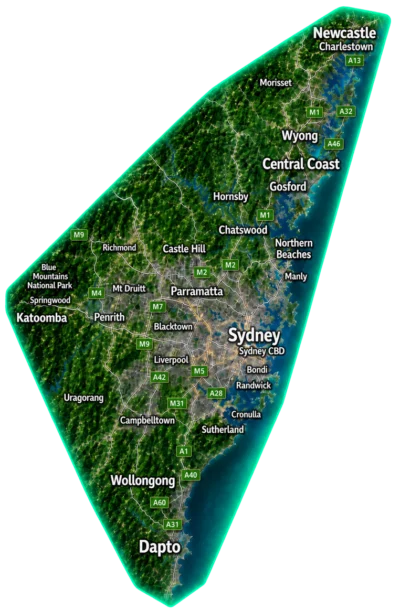
– Sydney-wide service
– Up to 10% quote-beat offer on eligible written quotes
– Practical, honest repair recommendations
Because failed cavity flashing can lead to concrete cancer, rusting lintels, internal leaks, and façade deterioration, it makes sense to use a team that understands both moisture-related defects and structural concrete repair.
Areas We Service Across Sydney
Concrete Cancer Repairs Sydney provides brick cavity flashing inspections and repairs across Sydney and the Greater Sydney region.
We commonly service:
– Sydney CBD
– Inner West
– Eastern Suburbs
– Northern Beaches
– Lower North Shore
– Upper North Shore
– Northern Sydney
– The Hills District
– North West Sydney
– Ryde
– St George
– Sutherland Shire
– South Sydney
– South West Sydney
– Western Sydney
– Greater Western Sydney
Common service areas include:
– Chatswood
– North Sydney
– Ryde
– Parramatta
– Castle Hill
– Bella Vista
– Hornsby
– Brookvale
– Mona Vale
– Bondi
– Randwick
– Mascot
– Botany
– Alexandria
– Miranda
– Hurstville
– Kogarah
– Liverpool
– Bankstown
– Campbelltown
– Blacktown
– Penrith
– Wetherill Park
– Silverwater
– Seven Hills
– Prestons
– Ingleburn
If your property is located in Sydney and you are dealing with leaking brickwork, failed cavity flashing, rusting lintels, damp internal walls, concrete spalling, or suspected concrete cancer, contact our team to arrange an inspection.

Book A Brick Cavity Flashing Inspection In Sydney
Do not ignore recurring leaks around brick walls, windows, doors, balconies, or slab edges. Small signs of moisture ingress can point to a larger concealed problem inside the wall cavity.
Concrete Cancer Repairs Sydney can inspect the issue, identify likely moisture pathways, assess related concrete cancer or lintel corrosion risks, and recommend a practical repair method.
Call or text 0424 408 330 to book a brick cavity flashing inspection in Sydney.
You can also request a free quote online and upload photos of the affected area so our team can better understand the issue before attending site.
Our Brick Cavity Flashing Repairs FAQs
Below are answers to common questions about brick cavity flashing repairs.

"*" indicates required fields
FREE
QUOTE
Free Quote & Site inspection*
Conditions apply. *Cannot be used in conjunction with any other offer.

How Can We Help You Today?
Choose the option that best matches your situation and get expert help from Sydney’s concrete cancer
and structural repair specialists.
I Need Someone To Inspect The
Damage
Choose this option when the concrete damage has not yet been professionally assessed or the required repair scope is unclear.
I Already Have A Report And Need
Repair Quotes
Choose this option when you already have an engineer’s report, defect report, marked-up plans or a defined tender scope.