

"*" indicates required fields
Concrete Spalling Repairs Sydney

At Concrete Cancer Repairs Sydney, we specialise in professional concrete spalling repairs in Sydney, delivering accurate diagnosis, targeted treatment, and dependable long-term repair solutions. Our team uses proven remediation methods to locate damage, treat underlying causes, and restore structural strength, durability, and visual appearance.
From surface flaking and rust staining to exposed steel reinforcement and structural deterioration, we offer reliable and cost-efficient solutions designed to stop concrete spalling from progressing and protect your property. Our goal is to return your concrete surfaces to a secure, long-lasting, and visually appealing condition while maintaining high-quality workmanship and exceptional service throughout Sydney.
CONCRETE CANCER REPAIRS SYDNEY
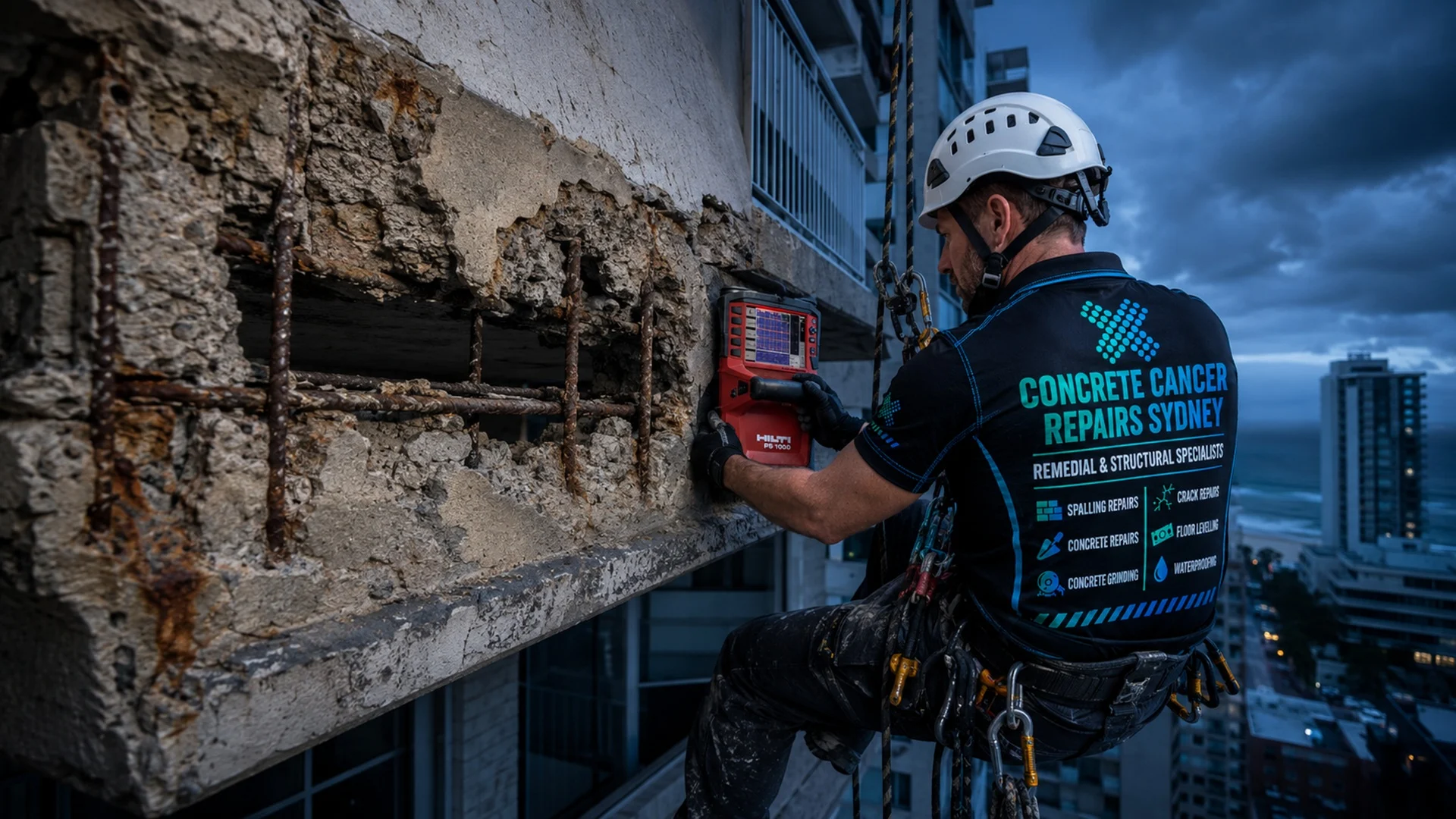
Specialist repairs for concrete spalling, corroded reinforcement and deteriorated balconies, slabs and structural elements.
SPECIALISTS
restore strength and safety.
& RESIDENTIAL
and homeowners across Sydney.
INSPECTION
and expert advice.
Concrete Spalling Repair Service
Concrete Spalling Repair Service
What Is Concrete Spalling And How Do We Repair It?
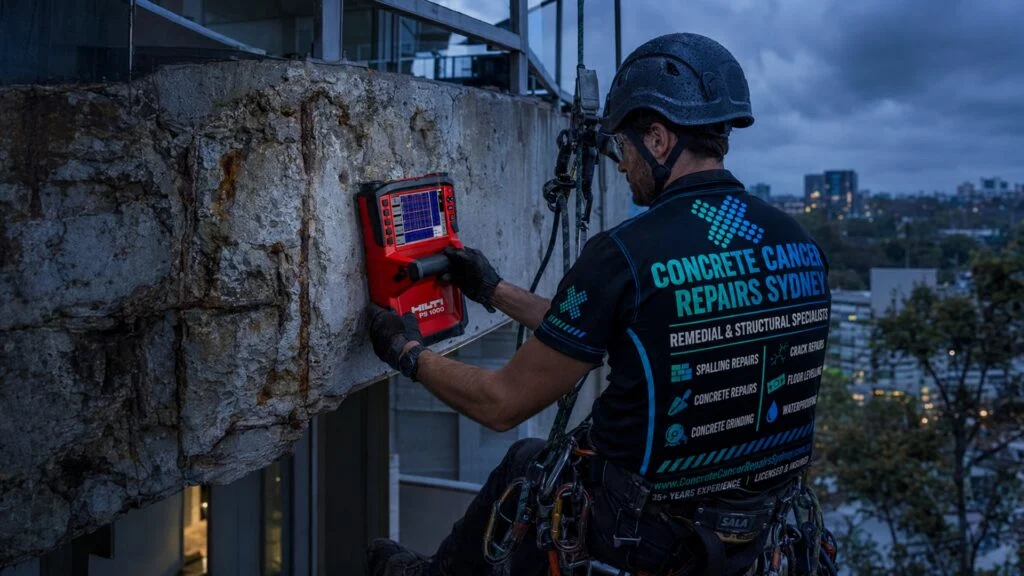
Concrete spalling occurs when the reinforcing steel inside the slab begins to corrode. As the steel rusts, it expands, forcing the concrete to crack, flake and break away. These openings then allow more moisture and air to reach the reinforcement, accelerating the deterioration and weakening the structure over time.
How We Repair Concrete Spalling
STEP 1: Complimentary Inspection & Estimate
We begin by inspecting your property and identifying the affected areas. After this assessment, you’ll receive a free, no-obligation quote outlining the recommended repairs and treatment plan.
STEP 2: Comprehensive Condition Assessment
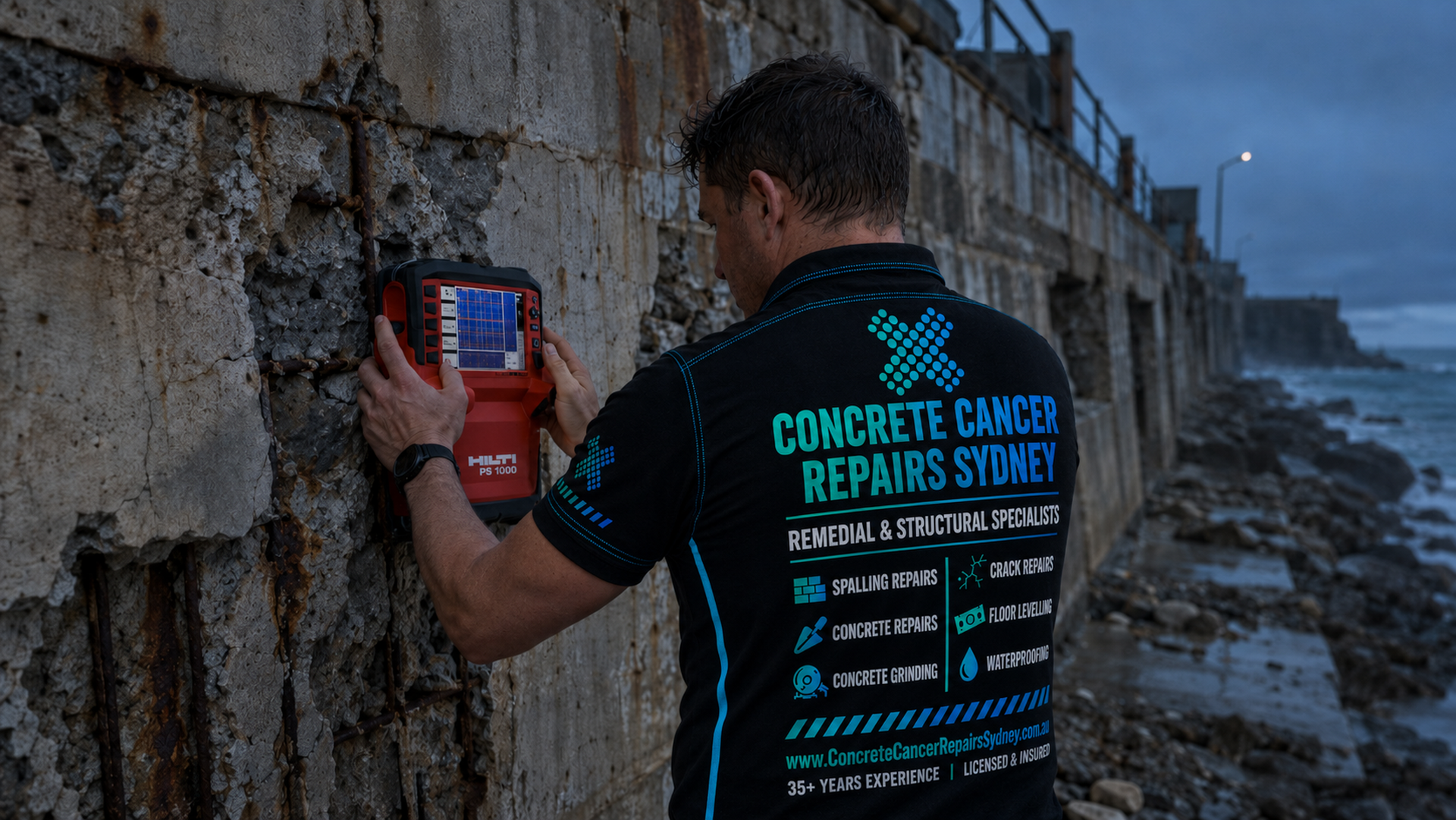
Our team performs a detailed evaluation to determine the cause of the spalling, the extent of the damage, and the most suitable remediation method based on your situation.
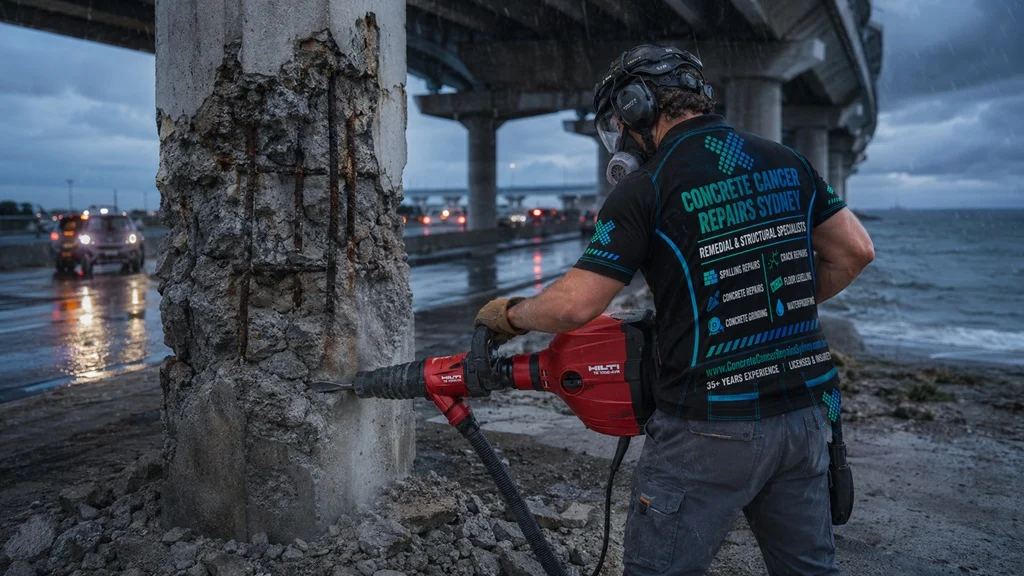
STEP 3: Cutting Out The Damaged Areas
All unstable concrete is carefully cut out and edges are shaped neatly to create a clean work area and prepare the surface for restoration.
STEP 4: Low-Dust Concrete Removal
Using specialised jackhammers and dust-control techniques, we remove the weakened concrete surrounding the corroded steel while keeping dust exposure to a minimum.
STEP 5: Rust & Corrosion Removal
Once reinforcement is fully exposed, we mechanically remove rust using wire brush attachments and mechanical grinding, ensuring the steel is ready for treatment.
STEP 6: Professional Surface Preparation
The remaining concrete and exposed steel are thoroughly cleaned to ensure maximum adhesion for protective primers and anti-corrosion coatings.
STEP 7: Applying Primers & Anti-Corrosion Treatments
We apply premium epoxy primers and corrosion-resistant coatings to help stop rust from returning and prevent further spalling.
STEP 8: Reinforcement Repairs or Replacement
If the reinforcing steel is damaged, we replace sections or install additional reinforcement to restore the structural integrity of your concrete.
STEP 9: Waterproof Barrier Application
A moisture-resistant barrier is applied to guard against future water penetration and provide long-term protection.
STEP 10: Rebuilding The Concrete Section
New concrete is reinstated to the correct depth, finished cleanly, and allowed to cure—bringing your structure back to full strength and restoring its original appearance.

Major Factors That Contribute To Concrete Spalling & Concrete Cancer
A variety of conditions can significantly increase the likelihood of concrete spalling and reinforcement corrosion—both of which can lead to serious structural deterioration.
Magnesite Flooring:
Many buildings constructed between the 1920s and late 1990s contain magnesite flooring. Although widely used historically, magnesite absorbs and retains moisture, which can accelerate corrosion of the steel reinforcement underneath. If magnesite is present, professional removal is strongly recommended to prevent future structural issues and minimise the risk of concrete spalling.
Proximity To The Coast:
Structures located along coastal suburbs are exposed to intense environmental conditions. Salt-laden ocean air penetrates concrete and causes the reinforcing steel to corrode more quickly, leading to visible spalling and internal deterioration.
Water Penetration:
Cracks, damaged joints, or worn surfaces can allow water to infiltrate concrete. Moisture also naturally moves through concrete’s pores. Once water reaches the steel reinforcement, rust develops and concrete begins to break away.
High Salt Exposure:
Coastal buildings are particularly vulnerable due to constant airborne salt. Salts accelerate corrosion significantly, compromising both reinforcement and the surrounding concrete cover.
Carbonation:
Over time, concrete reacts with carbon dioxide in the atmosphere, reducing its natural alkalinity. Lower alkalinity means less protection for embedded steel, increasing the likelihood of concrete spalling and internal corrosion.
Age and Environmental Conditions:
Older buildings have endured decades of rain, humidity, pollution, vibrations, and natural wear. These conditions eventually weaken the concrete, exposing the reinforcing steel and creating ideal conditions for spalling to occur.
Insufficient Concrete Cover Over Reinforcement:
If reinforcement bars are installed too close to the concrete surface, they are more easily reached by moisture, oxygen, and chlorides. This shallow cover significantly increases the speed at which the steel corrodes.
Substandard Construction Techniques:
Poor material quality, incorrect mix proportions, inadequate reinforcement placement, or failing to properly prepare steel during construction can greatly reduce the durability of concrete and lead to premature spalling.
Poor or Failing Waterproofing:
When waterproofing membranes, coatings, or drainage systems fail, moisture enters concrete and rapidly accelerates reinforcement corrosion. Effective waterproofing is critical to prevent spalling and internal decay.
Structural Movement and Cracking:
Movement in foundations, heavy loads, and temperature fluctuations all cause cracking. Cracks act as direct access points for water, escalating rust formation and causing concrete layers to detach.
Use of Incompatible Metals:
When different metals are combined within the concrete, electrochemical reactions can occur. These reactions speed up deterioration and increase the risk of spalling and concrete cancer forming over time.
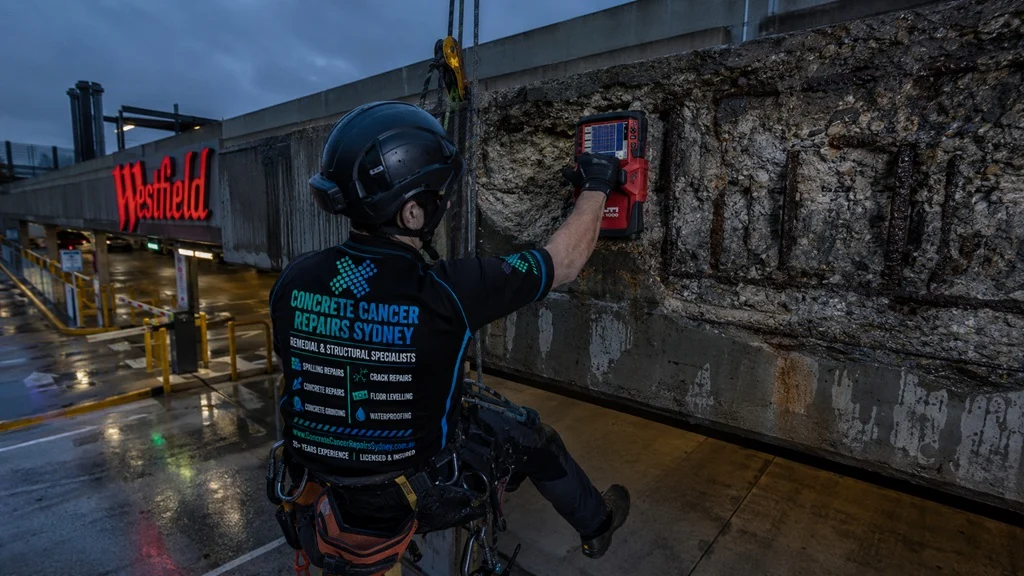
Rust-Coloured Stains:
Brown or reddish streaks running down walls, balconies, or ceilings typically indicate corrosion of embedded reinforcement steel inside the concrete.
Surface Wear or Erosion:
Concrete that appears flaky, porous, or weathered allows moisture to enter and accelerate deterioration, ultimately leading to surface failure and structural spalling.
Cracks of Any Size:
Whether hairline or severe, cracks signal movement within the structure or expanding corroded reinforcement pushing outward from inside the concrete.
Persistent Moisture or Water Staining:
Standing water, damp patches, or surface discolouration usually point to water ingress—one of the most common causes of concrete spalling in Sydney.
Failing Expansion Joints:
When expansion joints lose flexibility or deteriorate, concrete becomes more vulnerable to cracking and surface separation.
Insufficient Concrete Cover Over Steel:
If reinforcement is too close to the surface, moisture and oxygen can reach it easily, quickly causing rust and structural spalling.
Corroded Metal Hardware:
Rusting brackets, tie-downs, bolts, or embedded steel components signal active corrosion and may contribute to larger structural problems.
Paint Bubbling, Blistering, Or Peeling:
Frequently visible on soffits, beams, and ceilings, this often indicates moisture trapped behind the surface and early-stage spalling beneath the paint layer.
Areas That Sound Hollow When Tapped:
A hollow or “drummy” sound suggests the concrete has separated internally, usually due to delamination or rust-induced expansion.
Visible Reinforcement Steel:
When concrete flakes away enough to expose rusty steel reinforcement, the problem has advanced significantly and requires urgent professional repair.

Concrete Spalling Repair Results – Before & After
Real example of concrete spalling repairs completed by our experienced Sydney team. These before-and-after projects demonstrate the complete repair process, from identifying hollow, loose and delaminated concrete to carefully removing the damaged material and exposing the affected steel reinforcement.
Where corrosion is present, the reinforcement is cleaned and professionally treated before the damaged section is rebuilt using suitable concrete repair mortars and remedial repair systems. Our goal is to restore the affected area, improve durability and help protect the concrete from further deterioration.
We repair concrete spalling affecting balconies, slab edges, ceilings, columns, beams, walls, car parks, basement structures, suspended slabs and other reinforced-concrete surfaces.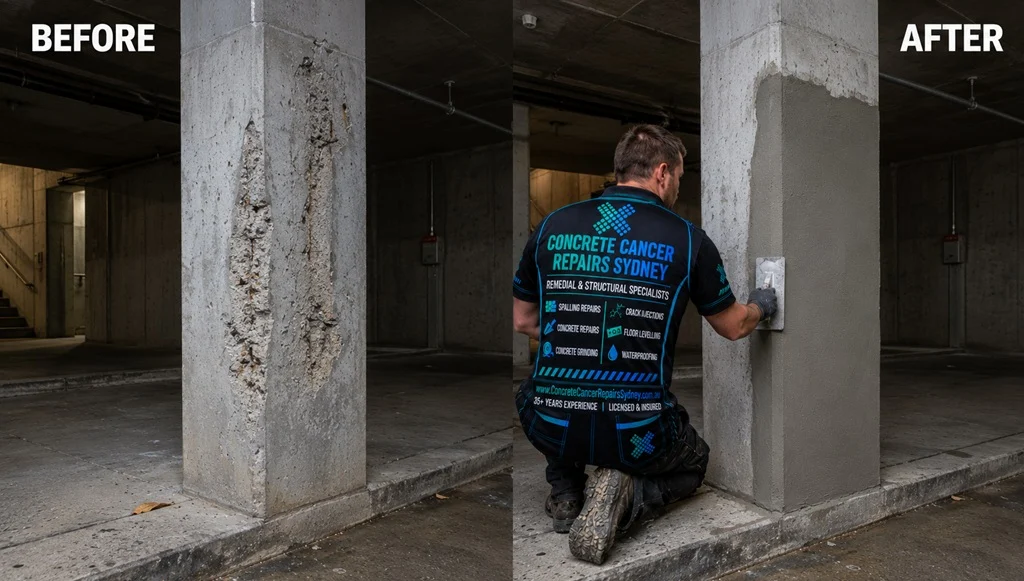
Areas We Service Across Sydney
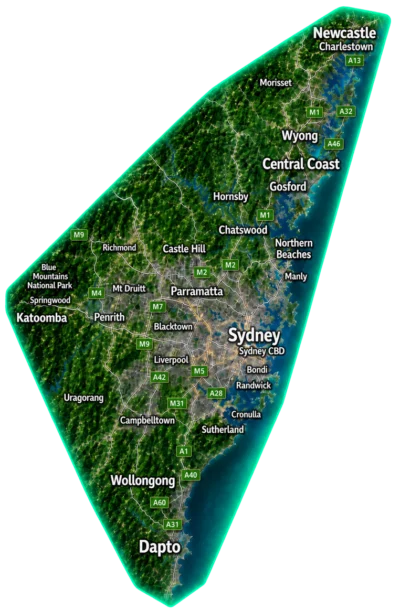
Concrete Cancer Repairs Sydney provides professional concrete spalling inspections and repair services throughout Sydney, Greater Sydney and surrounding regions.
Our concrete spalling services include identifying deteriorated and delaminated concrete, safely removing loose material, exposing and treating corroded reinforcement, rebuilding damaged sections with suitable repair mortars and addressing contributing moisture or water-ingress issues.
We commonly service:
– Sydney CBD
– Inner West
– Eastern Suburbs
– Northern Beaches
– Lower North Shore
– Upper North Shore
– Northern Sydney
– The Hills District
– North West Sydney
– Ryde
– St George
– Sutherland Shire
– South Sydney
– South West Sydney
– Western Sydney
– Greater Western Sydney
Common service areas include:
– Chatswood
– North Sydney
– Ryde
– Parramatta
– Castle Hill
– Bella Vista
– Hornsby
– Brookvale
– Mona Vale
– Bondi
– Randwick
– Mascot
– Botany
– Alexandria
– Miranda
– Hurstville
– Kogarah
– Liverpool
– Bankstown
– Campbelltown
– Blacktown
– Penrith
– Wetherill Park
– Silverwater
– Seven Hills
– Prestons
– Ingleburn
We complete concrete spalling repairs for residential homes, strata buildings, apartment complexes, commercial properties, industrial facilities, retail buildings, car parks, basement structures, balconies, suspended slabs, mixed-use developments and older reinforced-concrete buildings throughout Sydney.
If you have noticed flaking or falling concrete, loose concrete, rust staining, exposed reinforcement, hollow or drummy areas, cracking, delamination, bubbling render, damaged balcony edges, ceiling spalling, water ingress or corrosion around reinforced-concrete surfaces, contact our team to arrange a professional inspection.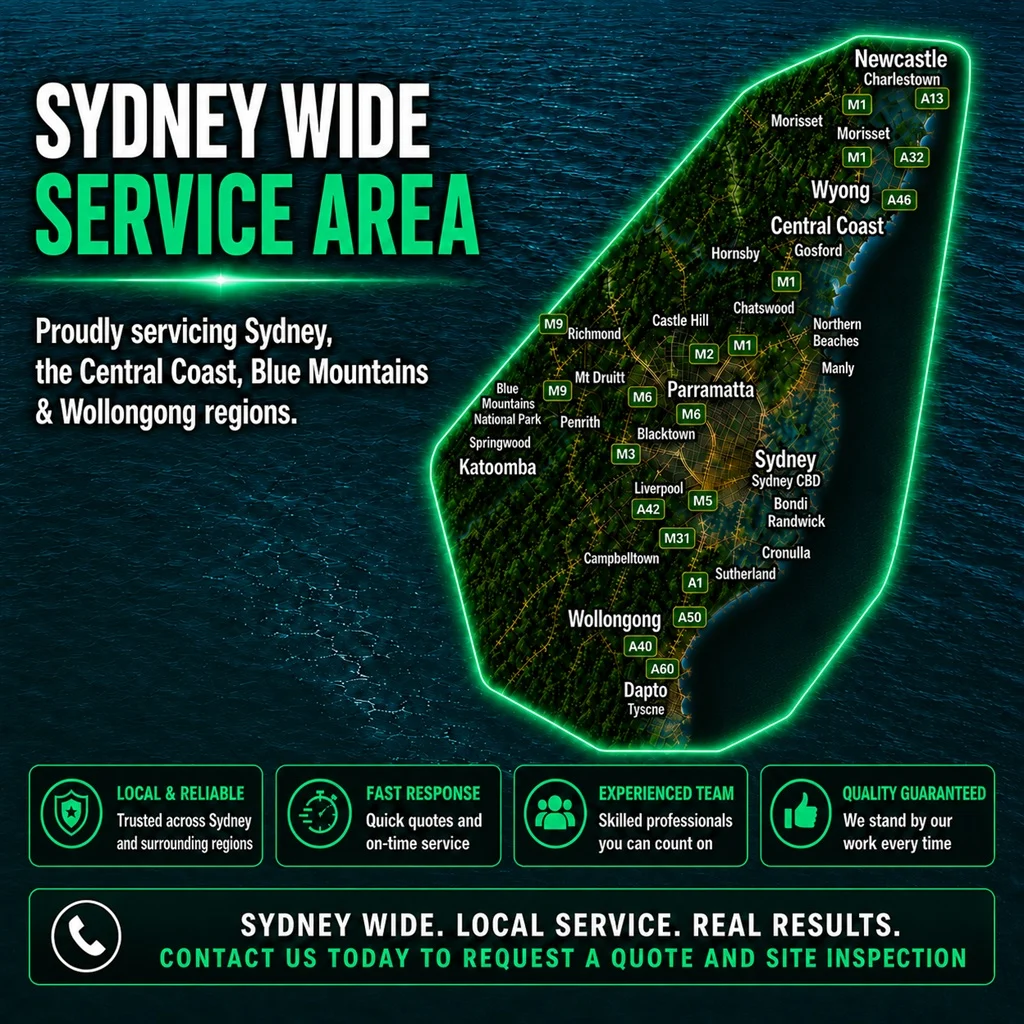
Quality, Compliance & Concrete Spalling Repair Standards
Concrete spalling repairs require more than simply covering damaged areas with new mortar. The underlying cause of the spalling must be identified, all loose and deteriorated concrete must be removed, and any affected steel reinforcement must be properly exposed, prepared and treated before the repair system is installed.
Our concrete spalling repair process is planned around the condition of the existing concrete, the depth and extent of delamination, the level of reinforcement corrosion, the surrounding environment and any project-specific engineering requirements.
This helps ensure:
– Loose, hollow and unsound concrete is removed back to a stable substrate
– The full extent of the spalled and delaminated concrete is identified
– Corroded reinforcement is sufficiently exposed, cleaned and treated
– Severely deteriorated reinforcement is assessed where required
– Repair edges are properly prepared without weak or feathered sections
– Compatible repair mortars and corrosion-protection systems are used
– Appropriate concrete cover and the original surface profile are reinstated
– Water ingress, failed waterproofing and other contributing defects are addressed where required
– Repair materials are correctly applied, finished, protected and cured
– Work is completed in accordance with relevant project specifications, manufacturer requirements and applicable Australian Standards
Where concrete spalling is widespread or accompanied by significant cracking, movement, extensive reinforcement corrosion, exposed steel or potentially structural deterioration, an engineer’s assessment may be recommended before repair work begins.
Our objective is to provide a durable concrete spalling repair that addresses both the visible damage and the underlying cause—not a temporary cosmetic patch that allows corrosion, delamination and concrete deterioration to continue.
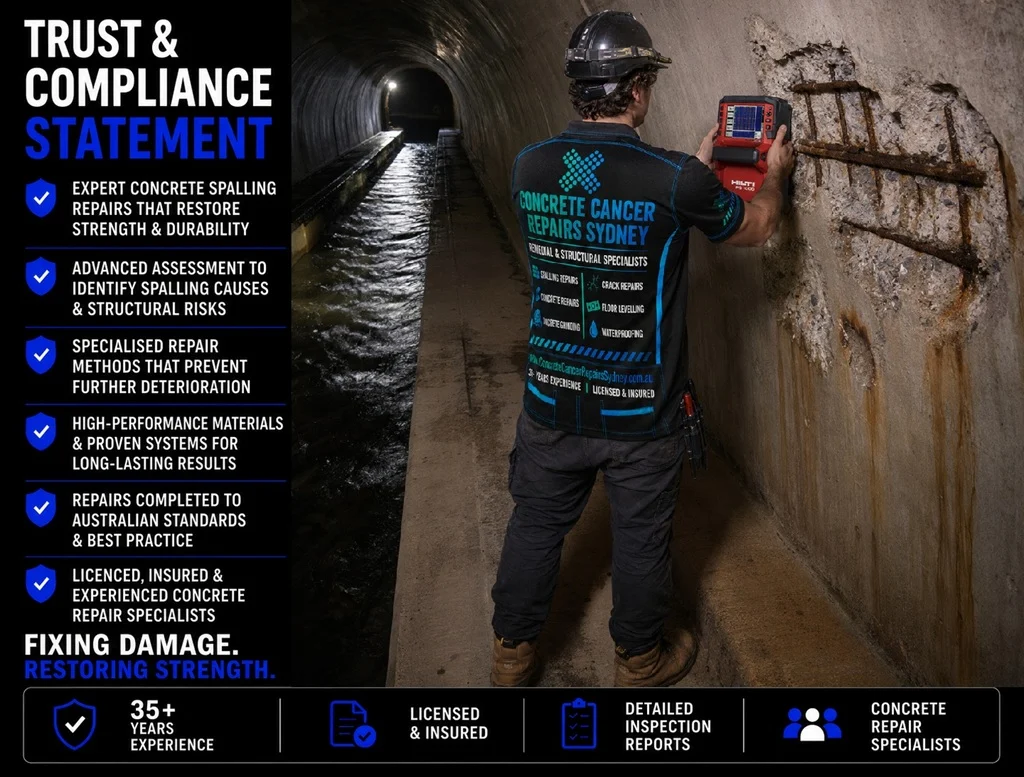
Why Choose Concrete Cancer Repairs Sydney For Concrete Spalling Repairs?
Concrete Cancer Repairs Sydney provides professional remedial repairs for concrete affected by spalling, delamination, reinforcement corrosion, moisture ingress, cracking and ongoing deterioration.
Property owners, builders, strata managers, facility managers and commercial clients choose our team because we provide:
– Free site inspections and detailed quotes
– Residential, strata, commercial and industrial repairs
– Clear and practical repair scopes
– Experienced on-site supervision
– Professional reinforcement preparation and corrosion treatment
– Suitable structural repair mortars and remedial systems
– Careful removal of loose, hollow and delaminated concrete
– Long-term repair solutions rather than cosmetic patching
– Related waterproofing, membrane, concrete cancer and structural repair services
Our concrete spalling repair process is focused on identifying why the concrete has deteriorated, removing all loose and unsound material, exposing and cleaning affected reinforcement, treating corrosion and rebuilding the damaged section with a compatible repair system.
Where moisture ingress, failed waterproofing, insufficient concrete cover or ongoing reinforcement corrosion have contributed to the damage, these underlying issues must also be considered as part of the repair scope.
Simply covering flaking concrete, rust staining or exposed reinforcement without removing the deteriorated material and treating the affected steel may allow the spalling to return and continue spreading into surrounding areas.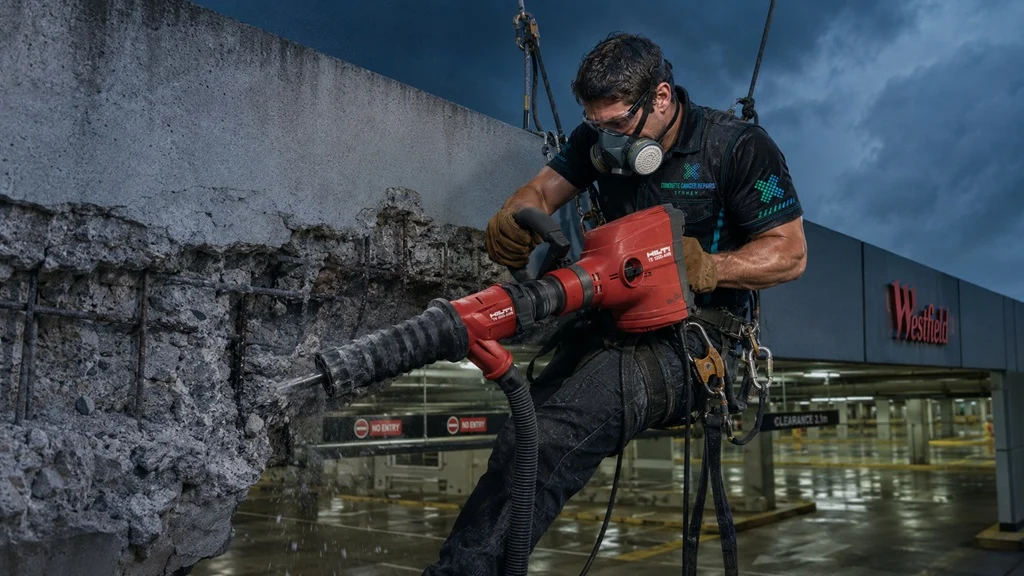
Book a Concrete Spalling Inspection in Sydney
Concrete spalling may begin as a small crack, rust stain, hollow patch or area of flaking concrete. As the damage progresses, sections of concrete can loosen or break away, exposing corroded steel reinforcement and creating a potential safety risk.
Warning signs include cracked or crumbling concrete, hollow or drummy areas, rust staining, exposed reinforcement, damaged balcony edges, ceiling spalling, bubbling render, water ingress and previous repairs beginning to fail.
Our team can inspect the affected area, determine the extent of the damage, identify likely moisture and corrosion causes and provide a clear repair recommendation and quotation.
Call or text 0424 408 330 to book a concrete spalling inspection anywhere in Sydney.
Our Concrete Spalling Repairs FAQs
Below are answers to common questions about concrete spalling repairs.

"*" indicates required fields
FREE
QUOTE
Free Quote & Site inspection*
Conditions apply. *Cannot be used in conjunction with any other offer.

Real Before & After Repair Results


We deliver high-quality repairs that restore strength, safety and appearance by addressing the underlying cause of deterioration and reinstating damaged concrete.
Before Damage
Identify spalling, corrosion and structural deterioration.
Repair Process
Engineered remediation using proven techniques and materials.
After Reinstatement
Surface reinstatement for structural integrity and durability.
How Can We Help You Today?
Choose the option that best matches your situation and get expert help from Sydney’s concrete cancer
and structural repair specialists.
I Need Someone To Inspect The
Damage
Choose this option when the concrete damage has not yet been professionally assessed or the required repair scope is unclear.
I Already Have A Report And Need
Repair Quotes
Choose this option when you already have an engineer’s report, defect report, marked-up plans or a defined tender scope.