



How Does Concrete Cancer Spread Through a Building? (Sydney Structural Guide)
Concrete Cancer doesn’t just appear and stay in one spot—it gradually spreads through a structure as reinforcing steel corrodes and pushes outward. Many Sydney property owners make the mistake of thinking that “a little flaking concrete” will stay contained, when in reality, concrete cancer progresses internally long before the damage becomes visible on the surface.
Understanding HOW concrete cancer spreads helps strata committees, homeowners, and building managers take action early—before multiple parts of the building require remediation.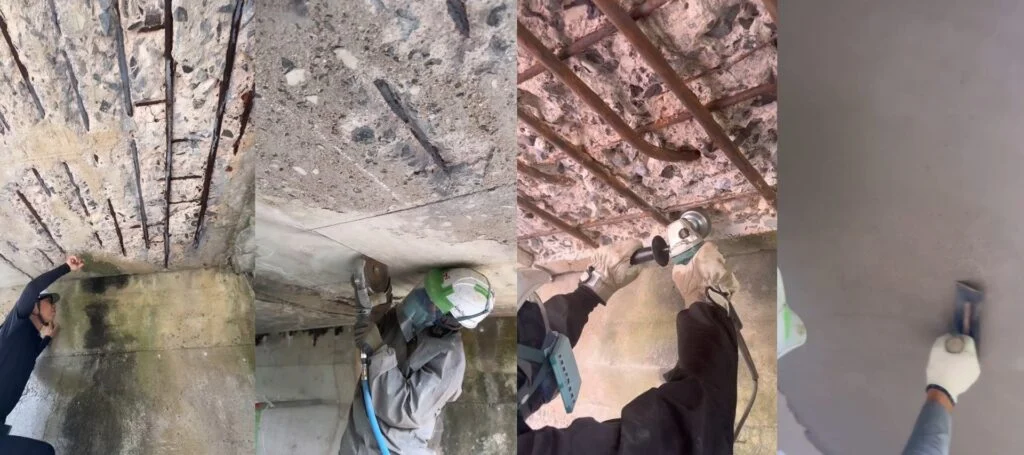
The Role Of Reinforcing Steel
Concrete cancer begins inside the slab when moisture reaches internal reinforcement. Once rust begins to form, the steel expands significantly, increasing pressure inside the concrete.
That pressure causes:
– Cracking
– Separation
– Delamination
– Exposed steel
– Internal splitting
– Flakes and blistering
This is the starting point for spread.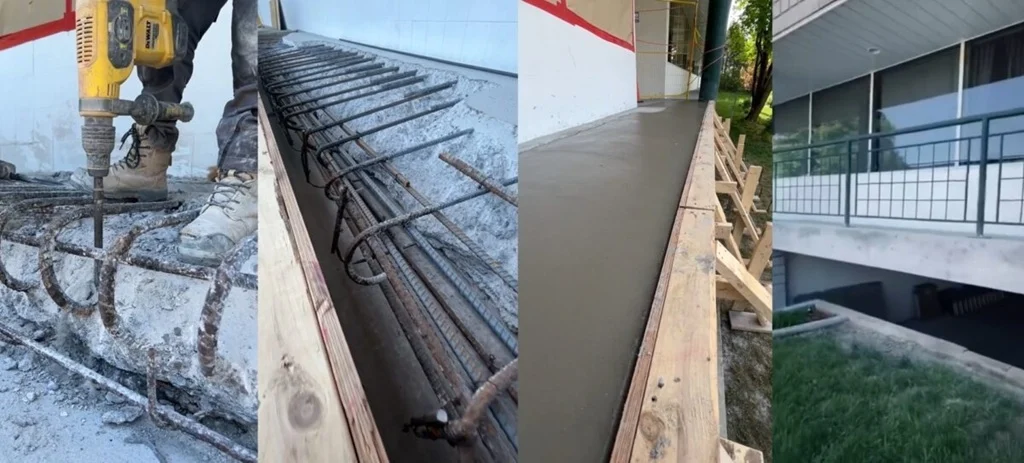
Moisture Creates A Chain Reaction
Moisture fuels corrosion—and corrosion makes concrete more porous—allowing even MORE moisture to enter. This cycle continues and moves toward surrounding reinforcement steel, causing the problem to extend outward and deeper into the structure.
This is why ignoring early signs often results in significantly larger remediation projects.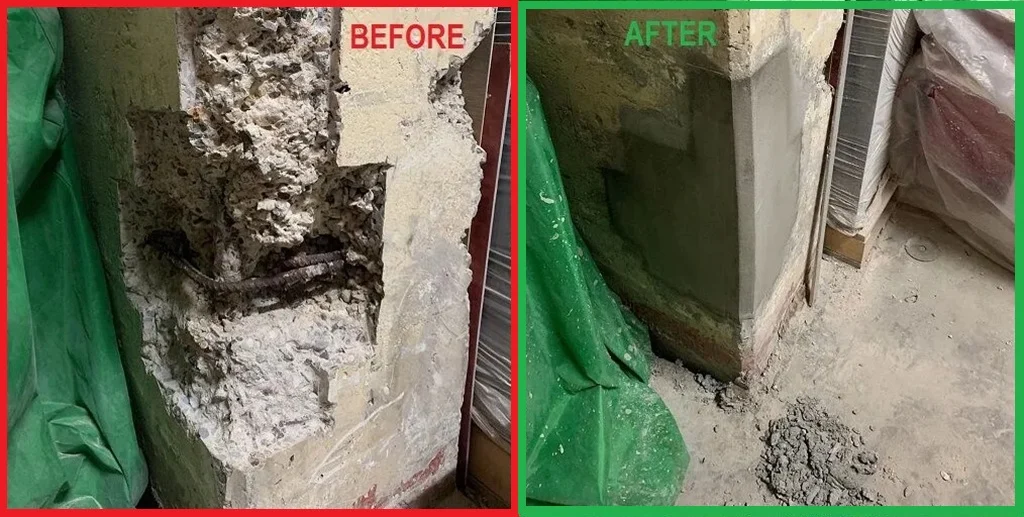
Spreading Through Adjacent Structural Elements
Once corrosion begins, concrete cancer can spread through:
– Connecting balcony slabs
– Supporting columns
– Overhead soffits
– Load-bearing beams
– Garage ceilings
– Stairwells
– Façade panels
– Rooftop slabs
This process is often invisible until deterioration becomes advanced.
Why Sydney Structures Are Vulnerable
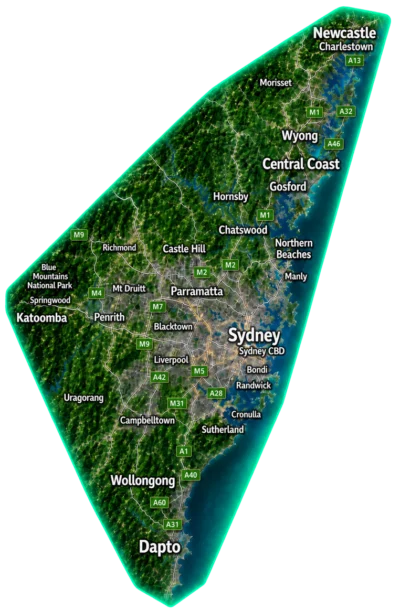
Sydney buildings—particularly those in coastal areas—experience constant salt exposure that accelerates the spreading process through chloride penetration and moisture transport. Apartment blocks near Bondi, Manly, and Cronulla frequently see corrosion spread throughout balconies and façade slabs due to constant sea salt exposure.
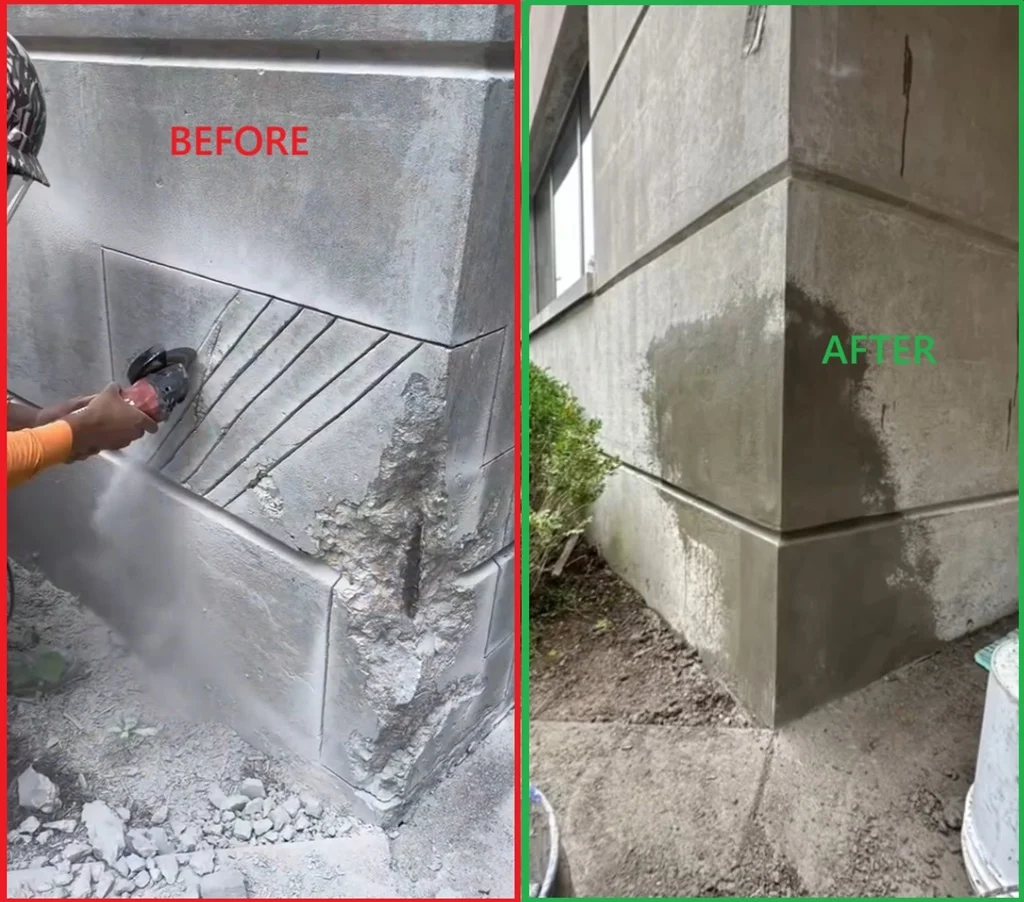
Why Fast Repairs Matter
The longer concrete cancer goes untreated:
– The faster it spreads
– The more expensive the repair
– The larger the remediation job
– The greater the structural decay
– The greater the risk to occupants
A small issue today becomes a major structural remediation tomorrow.
Signs It Has Spread
Concrete cancer has likely already moved through multiple areas if you notice:
– widespread cracking
– multiple soffits affected
– multiple balcony edges corroding
– concrete flaking on different levels
– rust stains appearing across the façade
– hollow sounding concrete in neighbouring areas
Preventative maintenance dramatically extends the life of the balcony and avoids costly concrete cancer remediation.
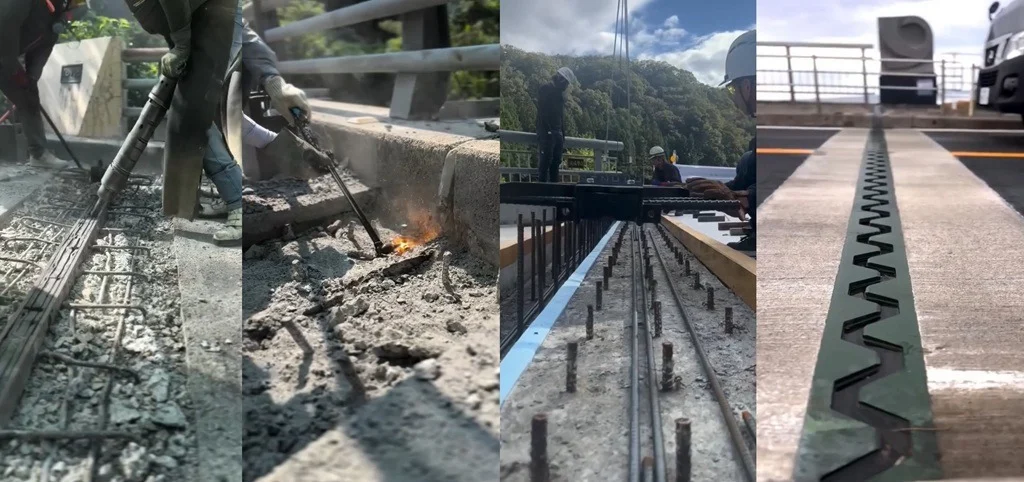
Professional Assessment Required
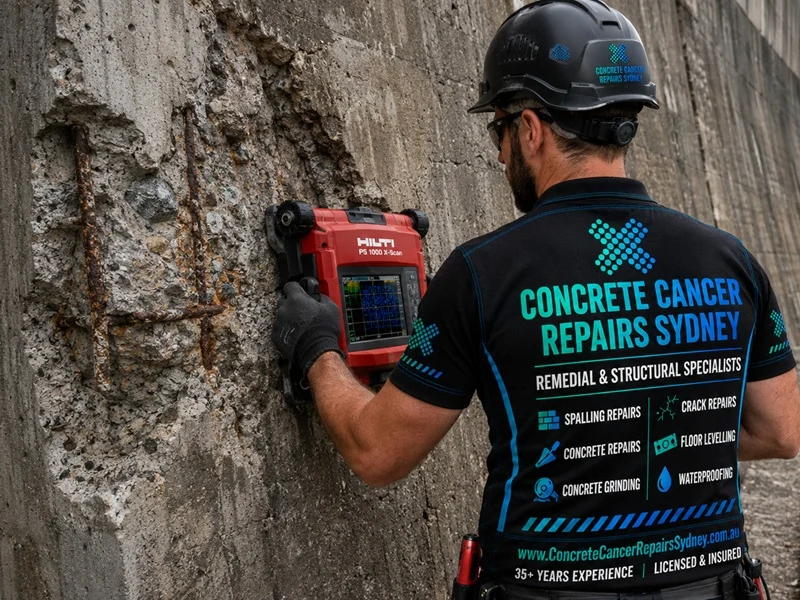
To understand how far concrete cancer has spread through a building, professional inspection is required. Specialists examine underlying steel, waterproofing failure, and moisture pathways—and map out every section requiring remediation.

Final Advice
Concrete cancer rarely stops at one location. Once steel begins corroding, deterioration slowly progresses through the building unless properly treated. Early assessment saves time, money, and prevents major structural repairs across multiple levels of the building.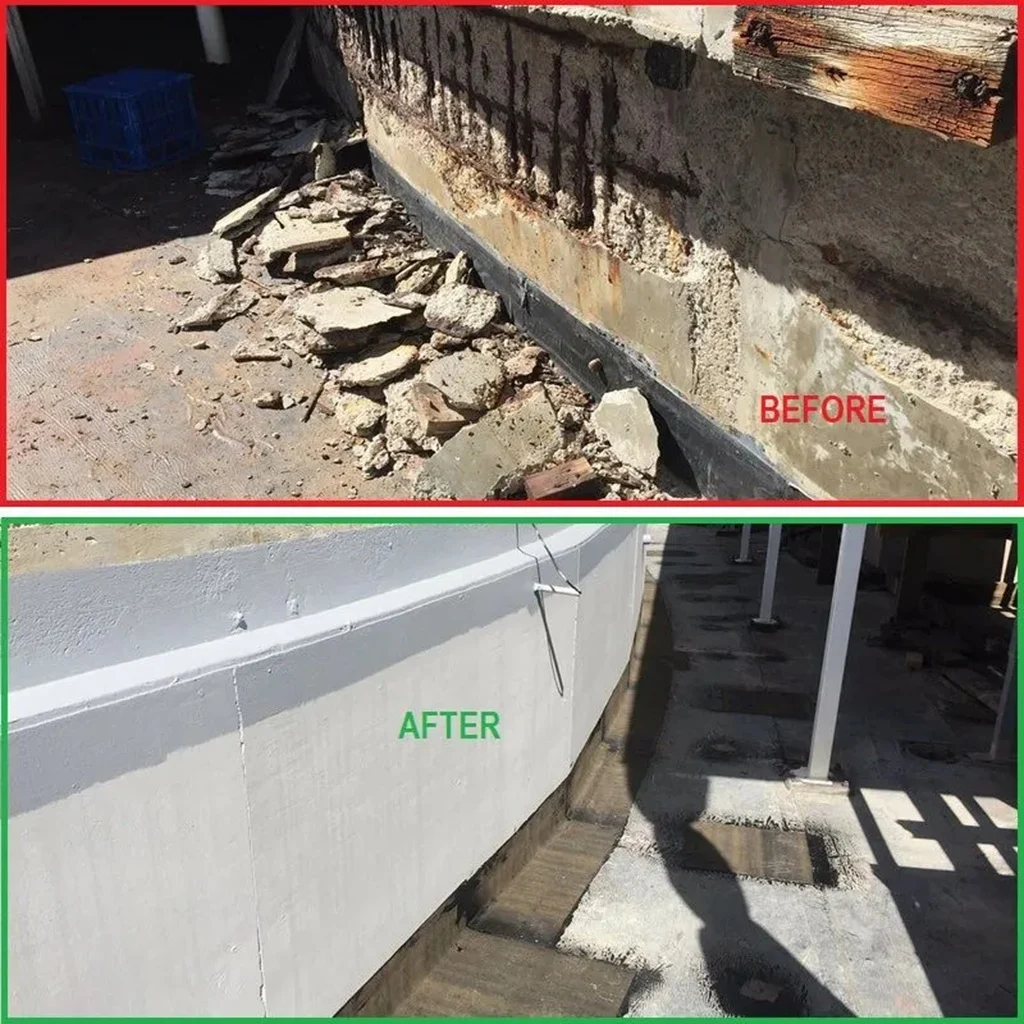
Need A Concrete Cancer Repair Quote?
If you are unsure how serious the damage is, the safest option is to organise an inspection before the issue becomes worse.
Concrete Cancer Repairs Sydney provides concrete cancer inspections, corrosion treatment, concrete spalling repairs and structural concrete repairs for residential, strata, commercial and industrial properties.
Our team can assess the affected area, identify the likely cause, and recommend the right repair method before the damage becomes more expensive to fix.
Contact our team today to arrange a Free Quote.


OFFICE LINE
WORKING HOURS