


Typical Timeframe For Concrete Cancer Repairs
For properties in Sydney, Concrete Cancer Repairs can take several working days for small, accessible areas and several weeks or longer for widespread, difficult-access or building-wide damage.
The exact timeframe depends on more than the visible size of the damaged concrete. The number of affected areas, condition of the steel reinforcement, access requirements, engineering involvement, waterproofing, curing periods and surrounding finishes can all affect how long the project takes.
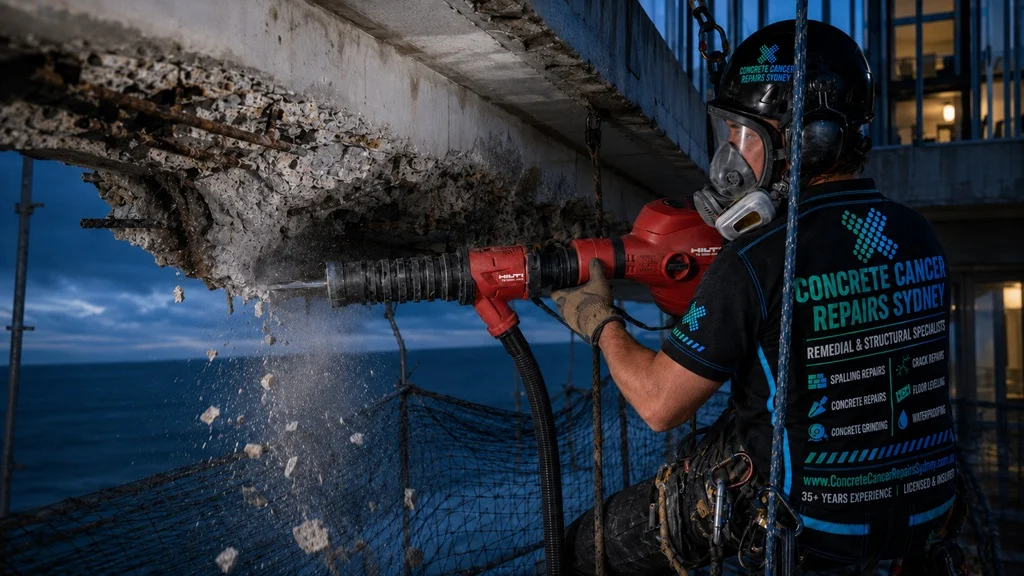
A small patch of cracking or concrete spalling may also extend beyond what can be seen from the surface. Additional deterioration can sometimes be identified after loose concrete is removed and the reinforcement is properly exposed.
For this reason, the following timeframes should be treated as general planning guides rather than fixed completion promises.
How Long Do Concrete Cancer Repairs Usually Take?
Concrete cancer repair timelines can vary significantly depending on the scale and complexity of the project. The estimates below provide a practical guide for different project sizes, from small localised repairs to major staged or building-wide works.
Small Localised Repairs
Typical Timeframe: Approximately 2–5 Working Days
This may apply to one or two accessible repair areas with limited concrete deterioration and no major reinforcement damage.
The total project duration may be longer where separate visits are required for curing, protective coatings, painting or waterproofing.
Moderate Or Multi-Area Repairs
Typical Timeframe: Approximately 1–3 Weeks
This may include several affected areas across a balcony, slab edge, wall, beam, column or car park soffit.
The duration will depend on the total repair quantity, the condition of the exposed reinforcement and whether the damage extends beyond the areas that were initially visible.
Multi-Balcony Or Commercial Repairs
Typical Timeframe: Several Weeks
Strata buildings, shopping centres, car parks and occupied commercial properties are commonly repaired in stages.
The project may need to accommodate residents, tenants, vehicles, pedestrian access, restricted working hours and building management requirements while maintaining safe access through the property.
Major Structural Or Building-Wide Repairs
Typical Timeframe: Project-Specific And Commonly Staged Over Several Weeks Or Months
Larger projects may involve multiple structural elements, extensive access systems, engineering requirements, temporary protection, reinforcement replacement, waterproofing or staged inspections.
A detailed repair scope and site-specific construction program are normally required before a reliable completion timeframe can be confirmed.
Working Days And Total Project Duration Are Different
The number of active repair days is not always the same as the total elapsed project duration.
A concrete cancer repair may involve:
– Time for repair materials to cure
– Reinstatement of the concrete profile
– A return visit for coatings or waterproofing
– Removal of loose and deteriorated concrete
– A final inspection before reopening the area
– Preparation and treatment of the reinforcement
– Painting or reinstatement of surrounding finishes
A project involving four active working days may therefore extend across one or two weeks.
This distinction is particularly important for balconies, strata buildings and commercial properties where access to certain areas may remain restricted between separate stages of work.
A clear repair quotation or project program should identify both the estimated active working days and the likely total elapsed duration.

What Affects The Concrete Cancer Repair Timeline?
Two concrete cancer repairs that appear similar can require very different timeframes once the full scope and site conditions are considered. The factors below have the greatest influence on how quickly the work can be planned, completed and safely reopened.
Extent Of Damage And Reinforcement Condition
The visible damage may not show the full repair area.
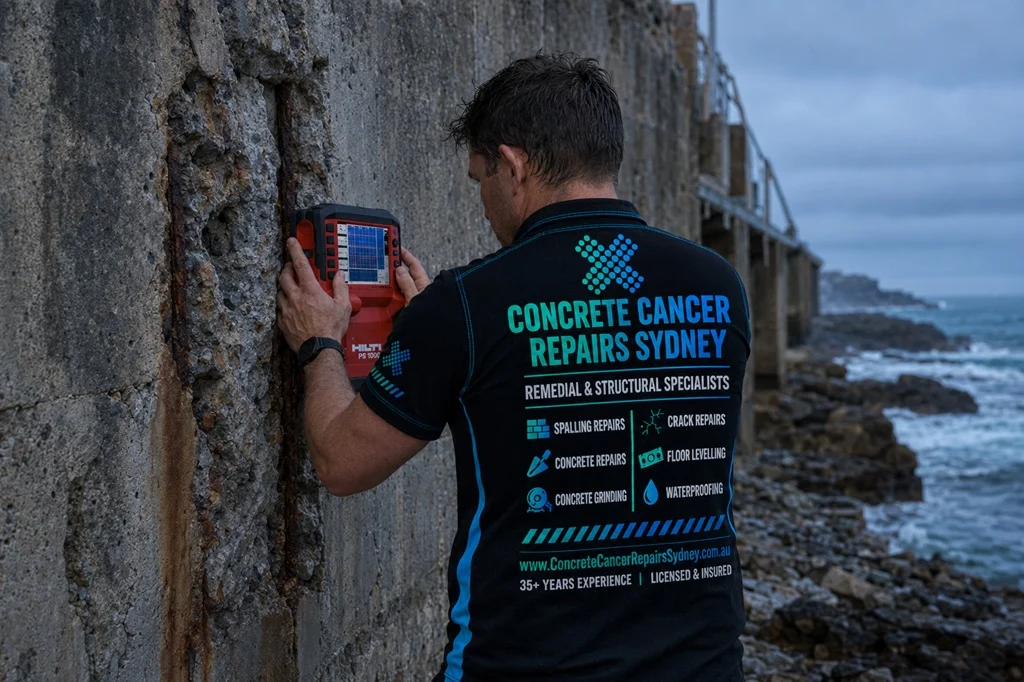
Concrete surrounding the visible cracking or spalling may be hollow, delaminated or affected by corrosion beneath the surface. Once the damaged concrete is removed, the repair boundary may need to be extended until suitable concrete and reinforcement are reached.
Light surface corrosion may require cleaning and treatment. More substantial deterioration may require additional concrete removal, reinforcement replacement or engineering advice.
The condition of the steel reinforcement can have a greater effect on the repair duration than the size of the visible concrete damage.
Number And Location Of Repair Areas
Repairing one isolated section is different from repairing multiple balconies, beams, columns or slab soffits across a building.
Where several areas are affected, the work may need to be divided into stages. This allows completed sections to be reopened while repairs continue elsewhere.
The location of the damage also matters. Ground-level repairs with unrestricted access can generally be completed more efficiently than repairs above footpaths, driveways, occupied balconies or active parking areas.
Access And Building Operations
Some repair areas require scaffolding, rope access, elevated work platforms, temporary edge protection or debris containment.
The time needed to install, reposition and remove access equipment must be included in the overall project timeline.
Occupied strata and commercial buildings may also require work to be coordinated around:
– Resident or tenant access
– Vehicle movements
– Pedestrian exclusion zones
– Noise restrictions
– Retail operating hours
– Loading-zone availability
– Building management requirements
– After-hours work
These conditions can reduce the number of productive working hours available each day and extend the total duration of the project.
Engineering And Approval Requirements
Engineering input may be required where there is widespread reinforcement corrosion, significant cracking, structural movement or deterioration affecting important beams, columns or suspended slabs.
The engineer may need to prepare a repair specification, provide drawings or inspect particular stages before the work can continue.
Strata approval, building management approval, access arrangements or acceptance of the repair quotation may also be required before the project begins.
The time required to obtain these approvals is separate from the physical repair duration.
Waterproofing, Weather And Curing
Concrete cancer is often associated with moisture entering through cracks, failed membranes, joints, drainage defects or surrounding finishes.
Where water ingress has contributed to the deterioration, waterproofing or leak rectification may need to be included with the concrete repairs.
Repair mortars, protective coatings, membranes and sealants must also be given enough time to cure before the next stage is completed.
Rain, strong wind, excessive moisture or unsuitable temperatures can delay external repairs, rope-access work, protective coatings and waterproofing.
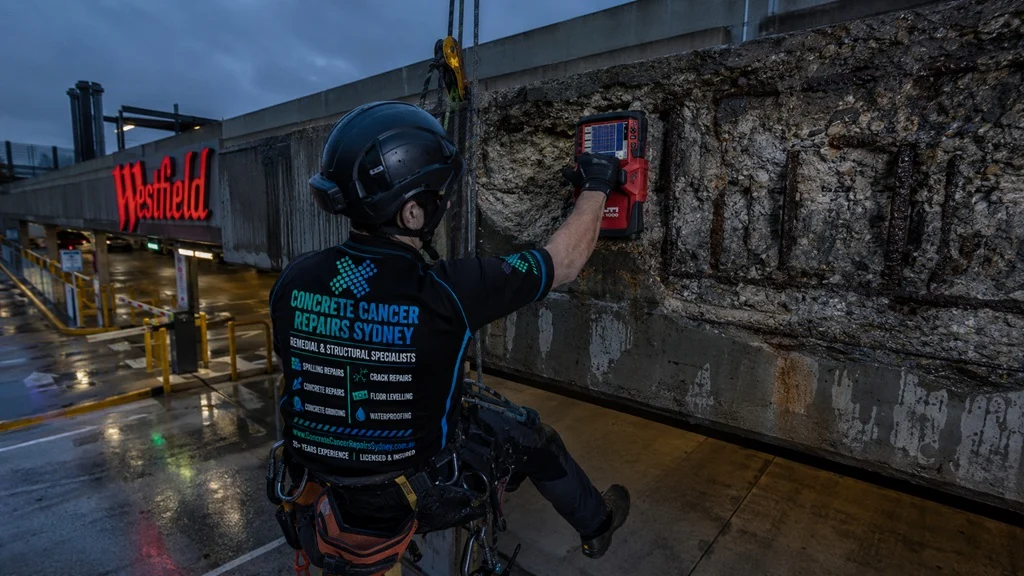
Do You Already Have Photos Or An Engineer’s Report?
Upload the information and we’ll help determine the appropriate inspection and repair pathway.
Photos, videos, engineer reports, remedial specifications, marked-up plans and previous quotations can help establish whether the project is ready for repair pricing or should begin with an inspection.
Providing this information early may also help identify access requirements, affected locations and any engineering or waterproofing work already included in the proposed scope.
Button: Upload Photos Or An Engineer’s Report
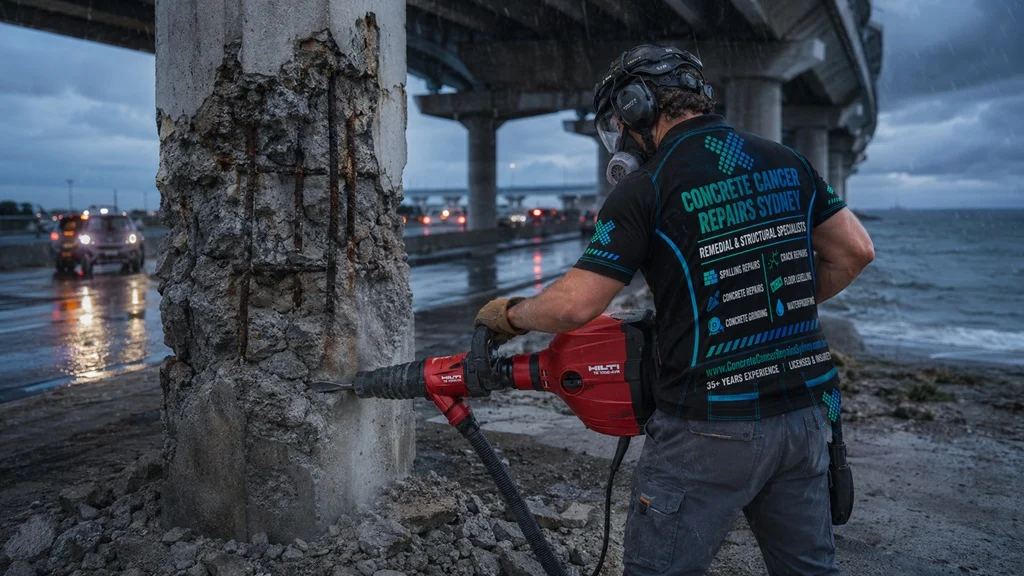
What Happens Before Repair Work Begins?
The repair timeframe does not normally begin on the day the damage is first reported. The available information must first be reviewed and the required repair scope must be sufficiently clear.
The usual pathway is:
Information Review → Site Inspection → Repair Scope And Approvals → Scheduling
Smaller projects may move through these stages quickly. Larger strata, commercial or engineer-specified projects may require additional access planning, approvals and coordination before work can begin.
This pre-construction period is separate from the active repair duration.
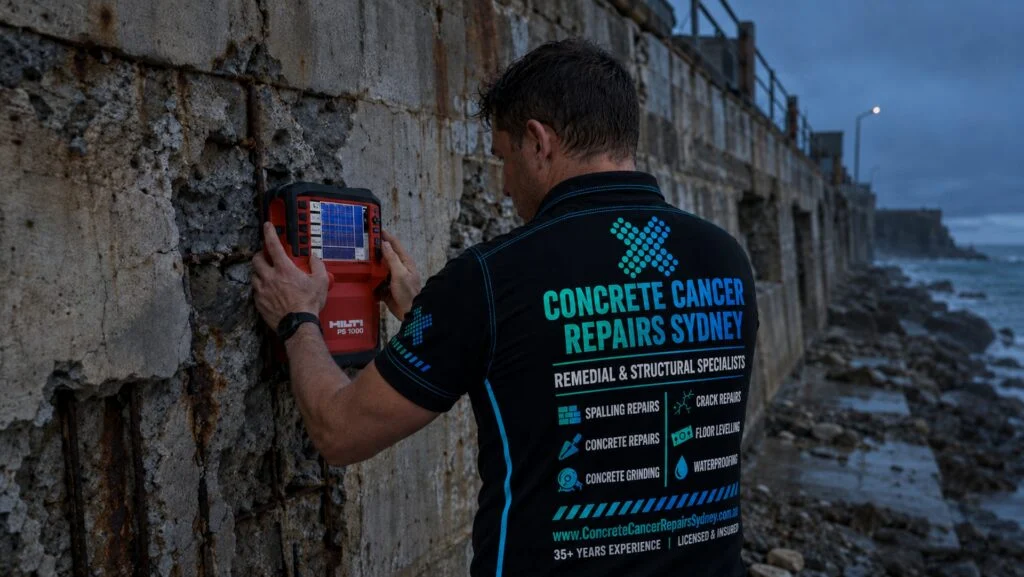
Can The Timeframe Change After Repairs Begin?
Yes, the repair duration can change if additional deterioration is discovered after concrete removal begins.
This may include:
– Hidden or widespread concrete delamination
– More extensive reinforcement corrosion
– Reinforcement that has lost significant thickness
– Previous repairs that have failed
– Cracking extending beyond the original repair area
– Active water ingress
– Additional access or safety requirements
These conditions cannot always be confirmed from photographs or a surface-level inspection.
Where additional work is required, the expanded scope and its effect on the project timeframe should be explained before the extra repairs proceed.
How Can We Help You Today?
Choose the option that best matches your situation and get expert help from Sydney’s concrete cancer
and structural repair specialists.
I Need Someone To Inspect The
Damage
Choose this option when the concrete damage has not yet been professionally assessed or the required repair scope is unclear.
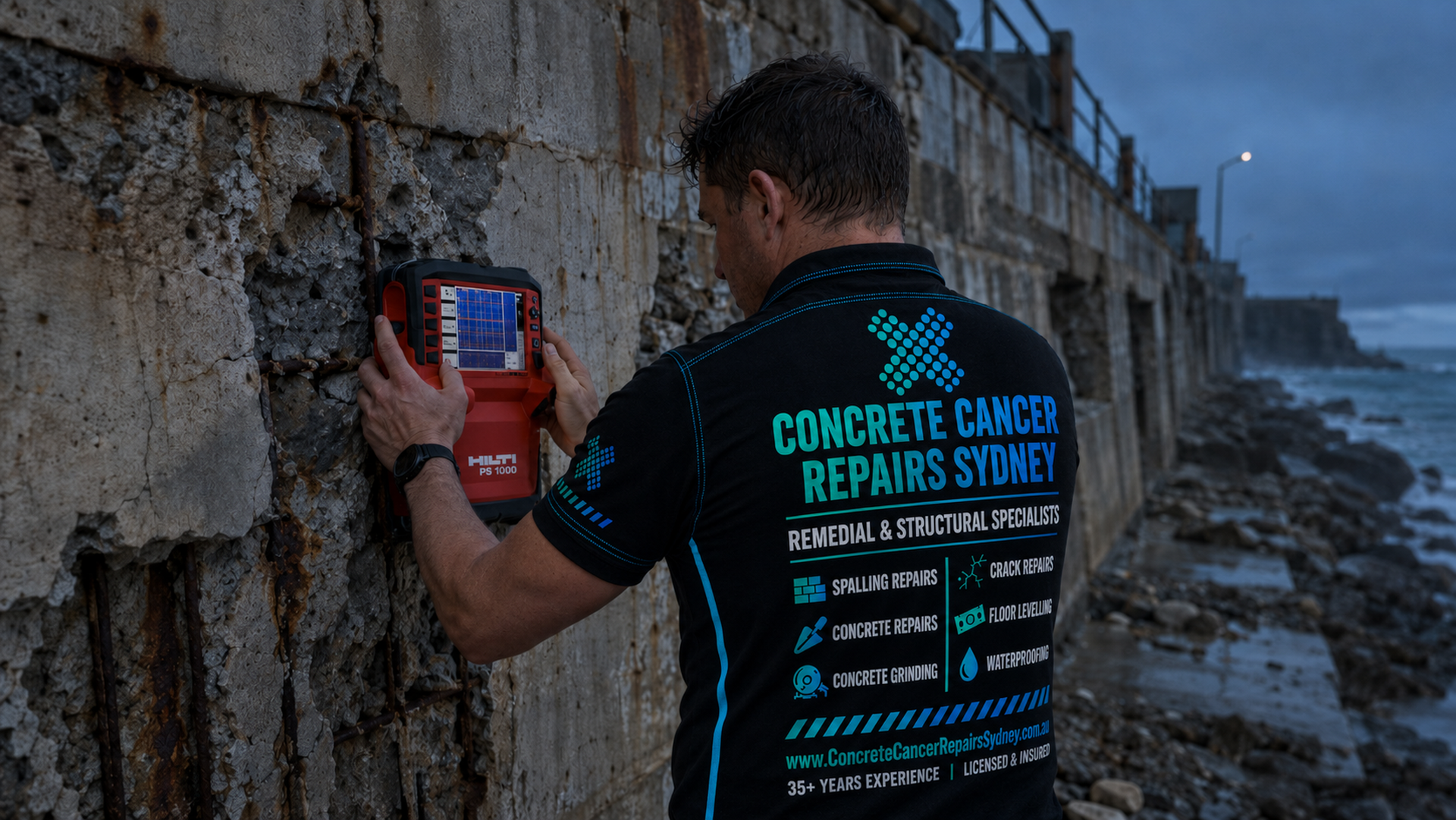
I Already Have A Report And Need
Repair Quotes
Choose this option when you already have an engineer’s report, defect report, marked-up plans or a defined tender scope.


OFFICE LINE
WORKING HOURS