
Concrete Cancer Repairs Sydney Blog
Free Concrete Cancer Inspections
We Provide Free Concrete Cancer Inspections on ALL Jobs Completed By Our Team
At Concrete Cancer Repairs Sydney, we are open:
– WEEKENDS
– 7 DAYS A WEEK
– PUBLIC HOLIDAYS
– 24 HOURS PER DAY
– 365 DAYS PER YEAR
– AFTER HOURS WORK
The cost for Concrete Cancer Repairs varies widely depending on the scale of deterioration and the complexity of the job. Small, localised repairs may only cost a few thousand dollars, while severe or widespread structural damage can exceed $50,000+.
As a general guide, many industry professionals estimate pricing at around $100 per litre of repair material, though this can change based on site conditions and labour requirements.
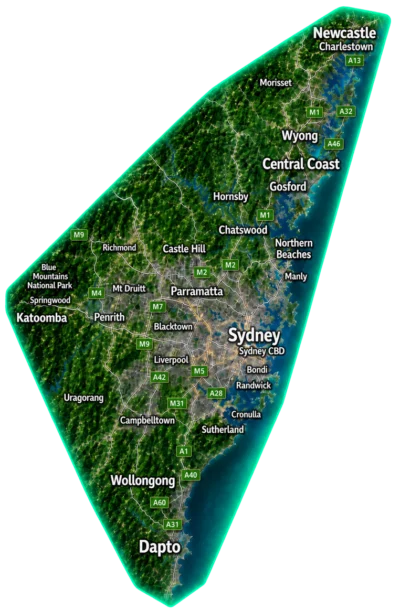
Our Concrete Cancer Repair specialists work throughout the greater Sydney region.
We service:
– Sydney
– St George
– Newcastle
– Inner West
– Wollongong
– Sydney CBD
– The Hills Shire
– Eastern Suburbs
– Sutherland Shire
– Northern Sydney
– Northern Beaches
– North West & Ryde
– Lower North Shore
– Upper North Shore
– South West Sydney
– Greater Western Sydney
Concrete Cancer is a form of concrete deterioration that occurs when the steel reinforcement (rebar) inside a concrete slab begins to rust, expand, and force the surrounding concrete to crack, crumble, or lift
Concrete Cancer is a term used to describe serious structural deterioration that happens when the reinforcing steel (rebar) embedded inside concrete begins to corrode. As the steel rusts, it expands significantly—sometimes increasing up to four times its original volume.
Concrete spalling refers to the visible deterioration and surface breakdown of concrete caused by weather exposure, moisture penetration, ageing, or minor structural movement within a slab or wall. Unlike concrete cancer—which involves internal corrosion
Although many people use the terms Concrete Cancer and Concrete Spalling as if they mean the same thing, these issues actually refer to different stages of concrete deterioration.
Knowing the distinction is extremely important for homeowners, strata managers, and property buyers because the treatment methods, repair costs, and structural risks can vary dramatically depending on which problem you’re dealing with.
If you’re thinking about purchasing a home, apartment, or commercial property that shows cracking, rust stains, or visible concrete cancer, take extreme caution. Buildings affected by concrete cancer often appear more affordable upfront, but the long-term repair costs can be significant.
The duration of Concrete Cancer Repairs varies depending on how widespread the deterioration is, how accessible the affected areas are, and which repair method is required.
In most residential homes, balconies, and small commercial buildings, concrete cancer repairs typically take between 1 and 5 days.
Concrete Cancer usually begins long before any visible surface deterioration appears—meaning many property owners do not notice the problem until structural damage becomes hard to ignore. Fortunately, early detection is possible if you know the warning signs.
Many property owners underestimate how dangerous Concrete Cancer can become if ignored. Because the issue begins deep inside the slab, visible warning signs often appear late in the deterioration process.
By the time spalling and rust are clearly visible, the reinforcing steel is usually already weakening.
Concrete Cancer can occur anywhere in Australia, but properties located near the ocean are especially vulnerable due to high salt exposure, moisture and coastal weather patterns.
Sydney’s coastal suburbs experience much faster corrosion rates because concrete absorbs airborne salts that accelerate rusting inside reinforcing steel.
Contrary to popular belief, Concrete Cancer cannot be fixed simply by patching cracks or applying a surface coat. Because the problem originates inside the concrete, long-term repairs must remove damaged concrete and treat or replace corroded steel reinforcement.
Professional remediation ensures the problem does not return.
Concrete Cancer can cause significant damage to homes, townhouses, and apartment buildings across Sydney—especially along the coast where moisture and salt exposure accelerate deterioration.
Concrete Cancer is becoming increasingly common in Sydney apartment buildings—especially older constructions and properties located near the coast. When concrete spalling or corrosion is discovered, one of the first questions owners ask is:
“Will STRATA Pay For The Repair?”
Concrete Cancer remains one of the most expensive and disruptive building issues affecting Sydney residential and commercial structures.
While many property owners only respond once rust stains or concrete spalling becomes visible, the reality is that preventative measures are significantly more affordable than full remediation.
Across Sydney, balconies are the earliest and most common places Concrete Cancer becomes visible. This is largely due to constant environmental exposure, ageing construction methods, and the natural breakdown of balcony waterproofing systems over time.
Throughout this blog post we will explain EVERYTHING you need to know about Concrete Cancer.
Concrete cancer doesn’t just appear and stay in one spot—it gradually spreads through a structure as reinforcing steel corrodes and pushes outward