FREE QUOTE CALL OR TEXT
0424 408 330
Trusted by Builders, Strata Managers & Property Owners*
No Call Out Fee Conditions apply*
GET YOUR JOB BOOKED IN AND FINISHED TODAY !!
"*" indicates required fields
Concrete Cancer Repairs Service Sydney
At Concrete Cancer Repairs Sydney, we provide specialist services focused on diagnosing and repairing concrete cancer in Sydney. Our team of trained professionals uses proven techniques to locate damage, treat the underlying causes, and restore structural integrity, durability, and visual appeal.
Our team provides FREE Site Inspections and Quotes for concrete cancer and concrete spalling repairs throughout Sydney.
From minor cracking to major structural remediation, we offer dependable, long-lasting, and cost-efficient repair solutions designed to safeguard your property and stop further deterioration. Our mission is to return your concrete surfaces to a safe, strong, and aesthetically pleasing condition while delivering exceptional service and value across the country.
Learn EVERYTHING You Need To Know About Concrete Cancer
We provide more information than any other company or website in the WORLD regarding Concrete Cancer.
– Typical Timeframe For Concrete Cancer Repairs
– What You Need To Know About Concrete Cancer
– Is Concrete Cancer Covered By Insurance In Sydney?
– Why Concrete Cancer Is Common In Coastal Suburbs
– How Does Concrete Cancer Spread Through A Building
– Is Concrete Cancer Dangerous? Understanding Structural Risks
– Early Warning Signs Of Concrete Cancer In Homes And Apartments
– Why Sydney Balconies Are The First Place Concrete Cancer Shows Up
– What Is Concrete Spalling? (Surface Damage Explained + Warning Signs)
– What Is Concrete Cancer? (Detailed Sydney Guide + Causes & Symptoms)
– Understanding The Difference Between Concrete Cancer and Concrete Spalling
– How Concrete Cancer Is Professionally Repaired (Detailed Step-By-Step Process)
– How To Prevent Concrete Cancer In Sydney Buildings (Practical Prevention Guide)
– Thinking Of Buying A Property With Concrete Cancer? Here’s What You Must Know
– What Does Concrete Cancer Look Like? (Early Warning Signs & Visual Clues in Sydney)
– Will Strata Cover the Cost of Concrete Cancer Repairs in Sydney? (Strata Responsibility Explained)
How Much Does Concrete Cancer Repairs Cost In Sydney?
The cost for Concrete Cancer Repairs varies widely depending on the scale of deterioration and the complexity of the job. Small, localised repairs may only cost a few thousand dollars, while severe or widespread structural damage can exceed $50,000+.
As a general guide, many industry professionals estimate pricing at around $100 per litre of repair material, though this can change based on site conditions and labour requirements.
A number of key factors influence the overall price. Below is a clearer, more detailed breakdown:
Minor Concrete Cancer Repairs:
For small areas where corrosion and spalling are limited, repairs may cost from a few thousand dollars, depending on depth, access, and preparation requirements.
Major Structural Repairs:
Large, complex projects—especially those involving beams, columns, suspended slabs, or heavily damaged balconies—can reach tens of thousands of dollars, particularly when structural reinforcement is required.
What Affects The Cost Of Concrete Cancer Repairs:
Severity and Size of the Damage:
The larger and deeper the concrete cancer, the more labour, materials, and time are required. Extensive corrosion significantly increases project costs.
Structural Complexity:
Repairs involving structural elements—such as beams, lintels, columns, or multi-level balconies—demand additional engineering considerations, which raises the price.
Access and Site Conditions:
Poor access (e.g., high-rise balconies, confined spaces, or difficult elevations) increases labour costs. Scaffolding alone can exceed $15,000 per elevation, depending on height and required safety systems.
Additional Restoration Work:
Extra services such as waterproofing, crack sealing, protective membranes, or anti-carbonation coatings will increase the total project cost but are often necessary for long-term durability.
Fixing the Underlying Cause:
Concrete cancer will return unless the root issue—typically water ingress or poor waterproofing—is addressed. Correcting the source prevents repeat repairs and avoids paying for the same issue twice.
What Is Concrete Cancer?
Concrete cancer is a term used to describe the deterioration of concrete caused by the corrosion of the steel reinforcement within it. When steel reinforcement bars (known as rebar) inside the concrete begin to rust, they expand. This expansion causes the surrounding concrete to crack, weaken, and eventually break apart. The damage can spread rapidly if left untreated, which is why early detection and proper repair are so important.
Although concrete is known for its strength and durability, it isn’t immune to damage. Over time, environmental conditions and poor construction practices can lead to moisture seeping through cracks or porous concrete, reaching the steel reinforcement. When the steel rusts, it can increase in volume by up to four times its original size. This creates internal pressure within the concrete, leading to visible signs such as cracking, spalling (flaking), and rust stains.
What Does Concrete Cancer Look Like?
Concrete cancer occurs when the reinforcing steel within concrete begins to corrode, gradually weakening the surrounding structure. Spotting the early indicators can significantly reduce repair costs and prevent serious structural damage.
Cracking and Surface Breakdown:
Hairline cracks, fractured edges, or crumbling concrete—especially around joints and corners—often suggest corrosion developing within the embedded steel reinforcement.
Rust Discolouration:
Brown, red, or orange staining bleeding through the concrete surface is a strong indicator that internal steel is oxidising and expanding beneath the slab.
Blistering or Flaking Concrete:
Concrete or surface coatings that bubble, peel, or delaminate can be caused by the internal pressure created as rusted steel expands.
White Residue on the Surface:
Powdery white deposits, commonly referred to as efflorescence, appear when moisture migrates through concrete. This can point to ongoing water ingress and early-stage deterioration.
Ongoing Moisture or Leaks:
Damp areas, water staining, or leaks on concrete ceilings, walls, or balconies often signal hidden corrosion affecting the reinforcement.
Swelling or Structural Distortion:
Advanced concrete cancer may cause sections of concrete to bulge or distort as the corroded steel expands, placing stress on the surrounding structure.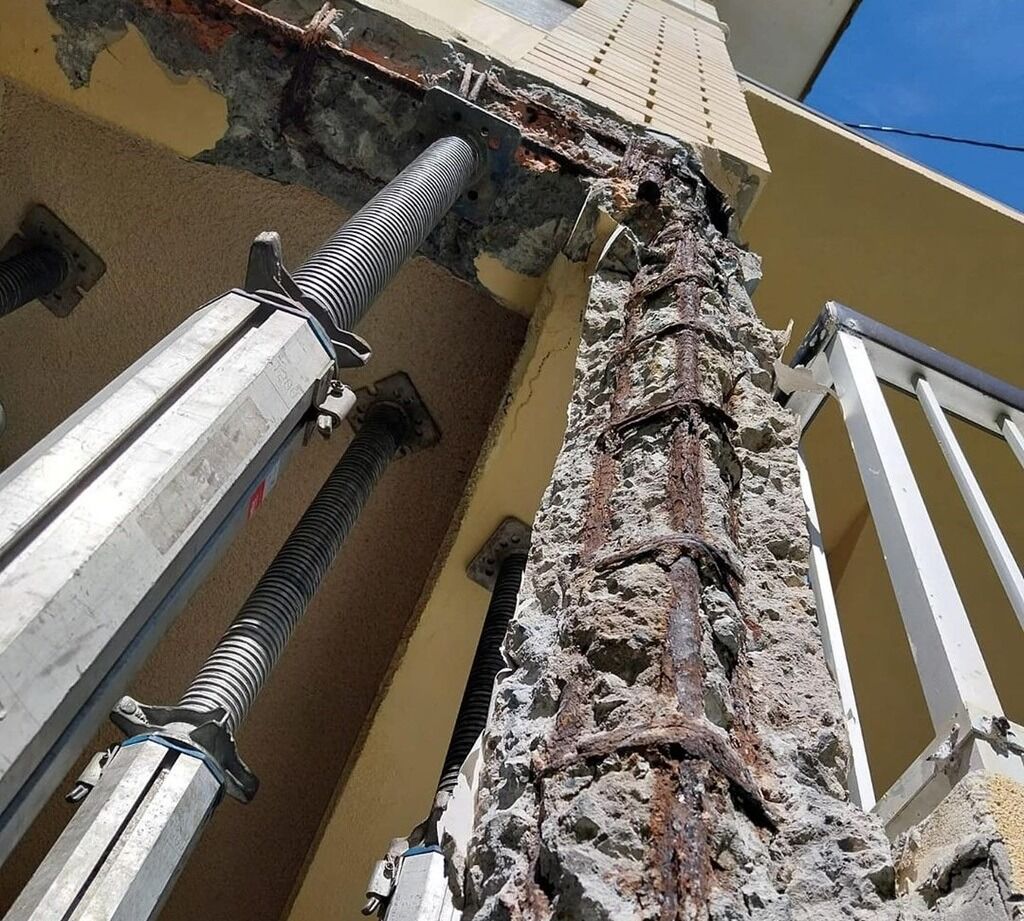
Thinking Of Buying A Property With Concrete Cancer?
If you’re considering a property showing signs of concrete cancer, caution is essential. Properties affected by concrete spalling may appear cheaper initially, but the structural damage can lead to costly repairs and serious safety risks. Concrete cancer weakens the building’s integrity, and ignoring it can result in extensive renovation work down the line.
Before making any commitments, it’s critical to arrange a professional building inspection and consult a structural engineer. These experts can accurately assess the damage, provide reliable repair cost estimates, and help you decide whether the property is a viable investment.
By understanding the full extent of the issue upfront, you can avoid unexpected expenses and ensure the property is safe for future use. For anyone in Sydney facing concrete cancer concerns, timely concrete cancer repair is the key to protecting your investment and maintaining structural safety.
Understanding The Difference Between Concrete Cancer And Concrete Spalling?
While the terms concrete spalling and concrete cancer are often confused, they refer to different forms of concrete degradation. Understanding how they differ helps property owners respond early and apply the correct repair solution.
Concrete Spalling:
Concrete Spalling affects the outer layer of concrete, where sections begin to chip, crack, or break away from the surface. It commonly results from moisture exposure, weathering, or general wear over time. Spalling typically appears as rough patches, shallow cracks, or minor surface loss. Although it can worsen if ignored, spalling does not always mean the internal steel reinforcement has been compromised.
Concrete Cancer:
Concrete cancer is a deeper, structural condition caused by corrosion of the embedded steel reinforcement. When moisture penetrates the concrete and reaches the rebar, rust forms and expands, forcing the surrounding concrete apart. This leads to pronounced cracking, lifting, and deformation of the structure. Common indicators include rust staining, extensive cracking, and visible swelling or distortion of the concrete.
Recognising whether the issue is surface spalling or true concrete cancer allows for early intervention, helping protect structural integrity and reduce long-term repair costs.
How Long Does It Take To Repair Concrete Cancer?
For most residential and small commercial properties, concrete cancer repairs generally take 1 to 5 days. Larger or more complex projects—such as multi-storey buildings, basements, or waterfront structures—can extend over several weeks. Here’s a breakdown of expected repair timelines:
Minor Repairs: 1 – 2 days
Small areas of spalling or isolated cracks are usually straightforward to fix, especially when access is easy.
Moderate Repairs: 3 – 5 days
When multiple sections are affected—such as balconies, columns, or overhead slabs—repairs take longer due to surface preparation, curing times, and applying protective coatings.
Major Repairs: 1 – 4 weeks or more
Extensive damage affecting structural elements may require reinforcement replacement, waterproofing, and specialist coatings, which can significantly extend the timeline.
Key Factors That Affect Repair Duration
Several elements can influence how long a concrete cancer repair project takes:
Extent of Damage:
Deeper cracks, corroded rebar, or large areas of delaminated concrete increase the complexity and duration of repairs.
Accessibility:
Hard-to-reach spots, such as high balconies or confined spaces, may need scaffolding, lifts, or specialized equipment.
Weather Conditions:
Rain, high humidity, or extreme temperatures can slow drying and curing times, particularly for external repairs.
Repair Method Used:
Different techniques—like epoxy injection, patching, or full concrete replacement—require varying amounts of time to complete.
10 Common Signs Of Concrete Cancer – How To Spot The Warning Signs Early
Unlike many structural issues, concrete cancer often presents visible warning signs long before major damage occurs. Routine inspections can help identify problems early and prevent costly repairs. Below are some of the most common indicators to watch for:
Rust Staining:
Brown or orange rust marks appearing on the concrete surface usually indicate corrosion occurring within the reinforcing steel.
Degraded or Porous Surfaces:
Concrete that has worn down or lacks protective coatings can absorb moisture more easily, increasing the risk of reinforcement corrosion.
Cracking and Structural Fracturing:
Cracks allow water to reach the steel reinforcement, triggering corrosion. As the steel expands, the surrounding concrete may fracture and begin to break away.
Moisture Marks or Standing Water:
Poor drainage can cause water to pool or soak into concrete. Once moisture reaches the reinforcement, corrosion accelerates rapidly.
Failed Expansion or Control Joints:
Joints that no longer accommodate movement can place stress on the concrete, leading to cracking and internal deterioration.
Insufficient Concrete Cover:
When steel reinforcement is positioned too close to the surface, it becomes more vulnerable to moisture exposure and corrosion.
Corroded Balustrade or Fixing Points:
Rusting metal fixings can transfer corrosion into the surrounding concrete, initiating the concrete cancer process.
Blistering or Lifting Paint:
Paint that bubbles or peels—particularly on soffits or ceilings—often indicates internal concrete deterioration beneath the surface.
Hollow or Drummy Concrete Areas:
Concrete that sounds hollow when tapped typically suggests internal separation or deterioration caused by corrosion.
Exposed Reinforcing Steel:
As concrete breaks away due to expanding rusted steel, the reinforcement becomes visible—an advanced and serious sign of concrete cancer.
Identifying any of these signs early and acting promptly can significantly reduce repair costs and limit structural damage. If one or more of these indicators are present, a professional inspection is strongly recommended to determine the extent of the issue.
Additionally, incorrectly installed or failed waterproofing membranes allow water to penetrate concrete slabs, dramatically accelerating the concrete cancer process.
How Do We Repair Concrete Cancer?
If a waterproof membrane was installed incorrectly. Water will penetrate into the concrete slab, speeding up the process.
Why Concrete Cancer Should Never Be Painted Over (Sydney Structural Warning)
Some Sydney property owners try to hide early concrete deterioration by painting over cracks or rust staining. Unfortunately, this is one of the quickest ways to make the problem worse. Painting only seals in moisture temporarily and can actually trap corrosion beneath the surface, accelerating damage.
Painting Masks The Symptoms, Not The Cause
Paint can temporarily hide:
– Rust stains
– Discolouration
– Flaking concrete
– And surface cracks
However, the internal corrosion continues to expand underneath, causing steel reinforcement to deteriorate further.
Why This Is A Safety Hazard
Concrete cancer is not cosmetic—it’s structural. Hiding the issue with paint prevents early detection, increasing the risk of:
– Slab separation
– Structural weakening
– Balcony deterioration
– And major remediation costs later
Professional Remediation Is Essential
Proper concrete cancer repair involves:
– Treating steel
– Removing corrosion
– Rebuilding concrete
– Exposing reinforcement
– And installing proper waterproofing protection.
Painting over concrete only hides evidence of active deterioration.
Coastal Sydney Buildings At Greater Risk
Because Sydney’s coastal suburbs are exposed to salt, corrosion occurs much faster. Painting a coastal balcony slab without remediation is extremely risky—it traps chloride moisture and accelerates corrosion.
Final Message
Painting damaged concrete gives a false sense of safety. If rust or cracking is visible, the underlying concrete must be inspected professionally to prevent long-term structural damage.
Is Concrete Cancer Considered A Strata Emergency?
Concrete cancer in strata buildings can escalate very fast once corrosion spreads into reinforcing steel. In many cases, what starts as a small spall or rust mark becomes a structural safety concern, especially on balconies, soffits, stairwells, and building exteriors.
But at what point does concrete cancer become an emergency?
When Immediate Action Is Required
Concrete cancer should be treated urgently when:
– Rust stains increase rapidly
– Structural cracking is visible
– Or ceiling sections begin flaking
– Reinforcement has become exposed
– Concrete sections are breaking away
– Balcony soffits appear bulging or uneven
Why It’s Urgent
Concrete cancer spreads internally around reinforcing steel. What begins as a small issue may compromise:
– Columns
– Load-bearing slabs
– Balcony cantilevers
– Or structural beams
This poses direct safety risk to occupants.
Strata Has Legal Obligations
Under NSW legislation, the Owners Corporation must repair common property promptly. Delaying repairs once structural damage is identified can result in:
– Legal liability
– Insurance issues
– And high-cost urgent repairs
– Emergency remediation orders
Emergency vs Scheduled Repairs
Concrete cancer becomes an emergency when:
– Concrete detaches
– Steel is visibly corroded
– Or there is risk of collapse
When deterioration is minor, remediation can be scheduled strategically—but still should not be ignored.
When To Call A Professional
Strata should arrange a specialist inspection immediately if:
– Balconies leak
– Rust staining spreads
– Or soffits appear damaged
– Concrete separates beneath slabs
Key Takeaway
Concrete cancer may begin gradually, but once structural areas are affected, it becomes a strata emergency. Inspection and action must happen quickly to protect building safety, prevent further deterioration, and avoid expensive intervention later.
Can Concrete Cancer Return After Repairs?
One of the most common questions Sydney property owners ask is whether concrete cancer can come back even after professional repairs. The simple answer is yes — concrete cancer can return if the original cause of corrosion isn’t treated properly.
Concrete cancer isn’t just a surface issue; it’s a chemical and structural problem occurring inside the slab. If repairs only address the visible deterioration without eliminating the internal corrosion, the problem will continue quietly beneath the surface and reappear months or years later.
Why Concrete Cancer Sometimes Comes Back
Concrete cancer develops when moisture reaches reinforcing steel. If moisture continues entering the concrete after repairs are completed, corrosion will begin again — even if damaged concrete was patched previously.
Concrete cancer commonly returns when:
– or repairs were rushed
– waterproofing has failed
– low-quality materials were used
– internal corrosion was left active
– protective coatings were not installed
– rusted reinforcement was not fully treated
– the concrete was only patched on the surface
This is why proper remediation is essential, not superficial repairs.
Surface Patch Repairs Don’t Fix Internal Corrosion
A temporary patch repair may hide visible deterioration, but it does nothing to:
– Remove rust
– Stop corrosion
– Treat reinforcement
– Restore structural integrity
– Or prevent further steel oxidation
If steel underneath remains corroded, concrete cancer always returns.
How Proper Repairs Prevent Re-Occurrence
Professional concrete cancer remediation includes:
– Exposing reinforcing steel
– Treating or replacing rusted sections
– Thoroughly cleaning corrosion
– Rebuilding concrete permanently
– Restoring structural strength
– And installing long-term waterproofing protection
When all of these steps are followed correctly, recurrence becomes highly unlikely.
Waterproofing Failure Is The Real Culprit
The majority of concrete cancer cases in Sydney begin with waterproofing breakdown. Unless effective waterproofing is installed after repairs, moisture will re-enter and the cancer cycle begins again.
Correct waterproofing is essential on:
– Rooftops
– Balconies
– Planter boxes
– Exterior slabs
– Parapet walls
– Exposed concrete surfaces
Sydney Coastal Properties Have Higher Recurrence Rates
Buildings near the coast — including Bondi, Manly, Cronulla, Coogee, Balmain and waterfront suburbs — experience faster corrosion because salt accelerates steel oxidation. Even repaired concrete can become re-affected more quickly in these environments if protection isn’t maintained.
How To Stop Concrete Cancer Coming Back
To minimise recurrence:
– Repair steel internally (not just the surface)
– Seal cracks early
– Use corrosion inhibitors
– Avoid cheap “quick fixes”
– Apply protective coatings
– Perform regular inspections
– Install waterproof membranes
Regular maintenance is essential, especially in coastal conditions.
Key Takeaway
Yes, concrete cancer can return if the underlying cause isn’t eliminated. However, when repairs are performed correctly using professional methods, proper waterproofing, and long-term corrosion protection, recurrence can be prevented for decades.
The most important factor is ensuring the root cause — moisture reaching steel reinforcement — is fully addressed. That’s what stops concrete cancer from returning.
What Are The 4 Main Causes Of Concrete Cancer?
Several environmental and construction-related factors can significantly increase the risk of concrete cancer developing within a structure. The most common contributors include:
Magnesite Flooring:
Widely used in buildings constructed between the 1920s and 1990s, magnesite flooring can trap moisture against concrete slabs. Over time, this moisture accelerates corrosion of the embedded steel reinforcement and often requires professional removal.
Coastal and Marine Environments:
Properties located near the coastline are exposed to salt-rich air. Chlorides carried by sea spray penetrate concrete and dramatically speed up steel corrosion within the slab.
Failed or Poorly Installed Waterproofing:
When waterproof membranes are incorrectly installed, damaged, or have reached the end of their service life, water can freely enter the concrete. Ongoing moisture penetration rapidly accelerates reinforcement corrosion and the progression of concrete cancer.
Lack of Maintenance:
Failing to address minor cracks, waterproofing defects, or surface damage early allows moisture ingress to continue unchecked, accelerating deterioration.
Do I Need Strata Approval For Concrete Cancer Repairs In Sydney?
Concrete cancer repairs in Sydney apartments almost always involve structural elements of the building, meaning the work cannot simply be arranged privately without strata involvement. Because concrete cancer affects the reinforcement within a slab, balcony, wall, or structural beam, it automatically becomes a matter of building safety, not cosmetic maintenance.
Understanding strata procedures is extremely important before starting any remediation project.
Why Strata Approval Is Usually Required
Under NSW strata legislation, concrete structural elements are considered “common property.” This means:
– Balconies
– Structural columns
– Slabs
– Soffits
– And exterior concrete surfaces
Are legally the responsibility of the Owners Corporation, not individual owners. Therefore, strata approval is required before organising repairs.
What If The Issue Is Inside My Lot?
Even if concrete deterioration appears inside your apartment, strata must determine whether the slab itself forms part of common property. In almost every building design, internal concrete slabs are load-bearing structural elements—making them strata responsibility.
Insurance And Engineering Requirements
Strata committees may require:
– Waterproofing reports
– Professional inspection
– Structural engineering assessment
– And remediation scope recommendations
Before approving any work they must ensure repairs are compliant and completed by qualified specialists.
Ignoring Approval Can Be A Serious Problem
Carrying out concrete cancer work without approval may result in:
– Strata penalties
– Insurance refusal
– Rectification orders
– Additional repair expenses or legal action.
Final Takeaway
If you live in a Sydney apartment and concrete cancer is suspected, notify strata immediately. You should never attempt repairs without approvals, as the Owners Corporation is legally responsible for maintaining the building structure.
FREE Concrete Cancer Inspections Available Anywhere In Sydney
At Concrete Cancer Repairs Sydney, we offer FREE no-obligation site inspections to assess potential concrete cancer in properties throughout Sydney.
Our experienced team conducts detailed assessments to locate the source of the issue that’s leading to concrete damage. Identifying the root cause early is essential to preventing the problem from spreading and causing further structural harm.
Once we’ve determined what’s behind the deterioration, we develop a tailored repair plan that delivers reliable, long-term results.
Think you might have concrete cancer? CONTACT US TODAY to arrange a free onsite inspection. We’ll provide you with a transparent, detailed quote and outline the most effective methods to restore and protect your property.
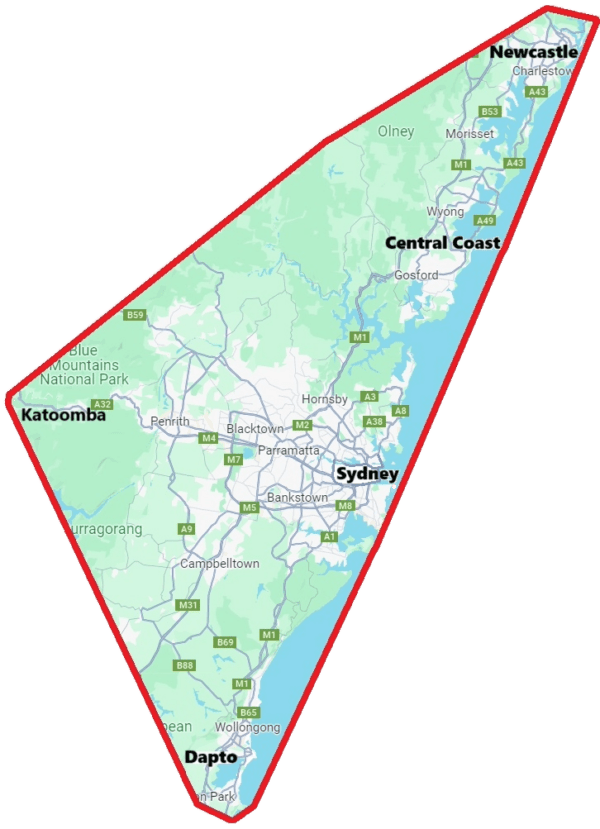
What Areas In Sydney Do We Service?
Our Concrete Cancer Repair specialists work throughout the greater Sydney region.
We service:
– Sydney
– St George
– Newcastle
– Inner West
– Wollongong
– Sydney CBD
– The Hills Shire
– Eastern Suburbs
– Sutherland Shire
– Northern Sydney
– Northern Beaches
– North West & Ryde
– Lower North Shore
– Upper North Shore
– South West Sydney
– Greater Western Sydney
We can take on any job at any time. No matter how big the job is, we’ll take it on!
Click Here To Learn More About The Areas In Australia That We Service
FREE QUOTE CALL OR TEXT 0424 408 330
We’ll Beat All Quotes By Up To 10%*, No Call Out Fee Conditions apply*
GET YOUR JOB BOOKED IN AND FINISHED TODAY !!
"*" indicates required fields

FREE PRICE BEAT GUARANTEE
QUOTE
We’ll Beat ALL Quotes By Up To 10%
Conditions apply. *Cannot be used in conjunction with any other offer.
Concrete Spalling Repairs Service Sydney
Concrete Spalling Repairs Service Sydney
Concrete Cancer Repair Service Sydney
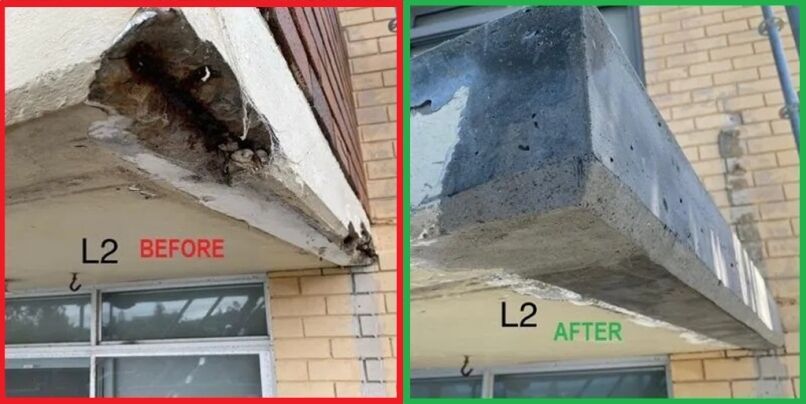
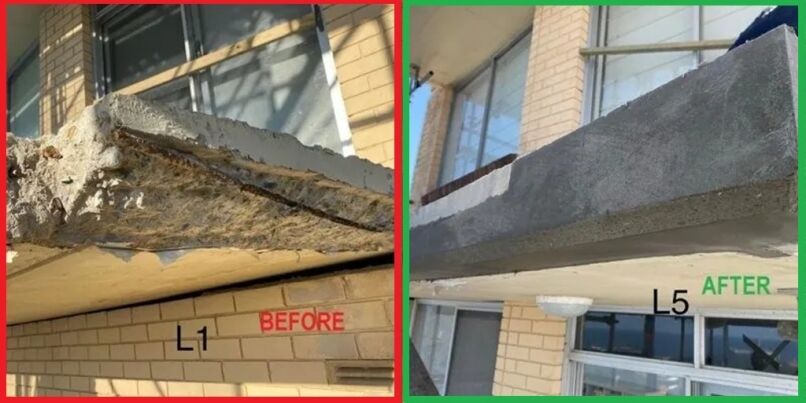
Concrete cancer repairs should always be carried out by experienced professionals. If left untreated, concrete cancer can continue to spread, weakening the structural integrity of the building and leading to significantly higher repair costs or, in severe cases, major structural failure.
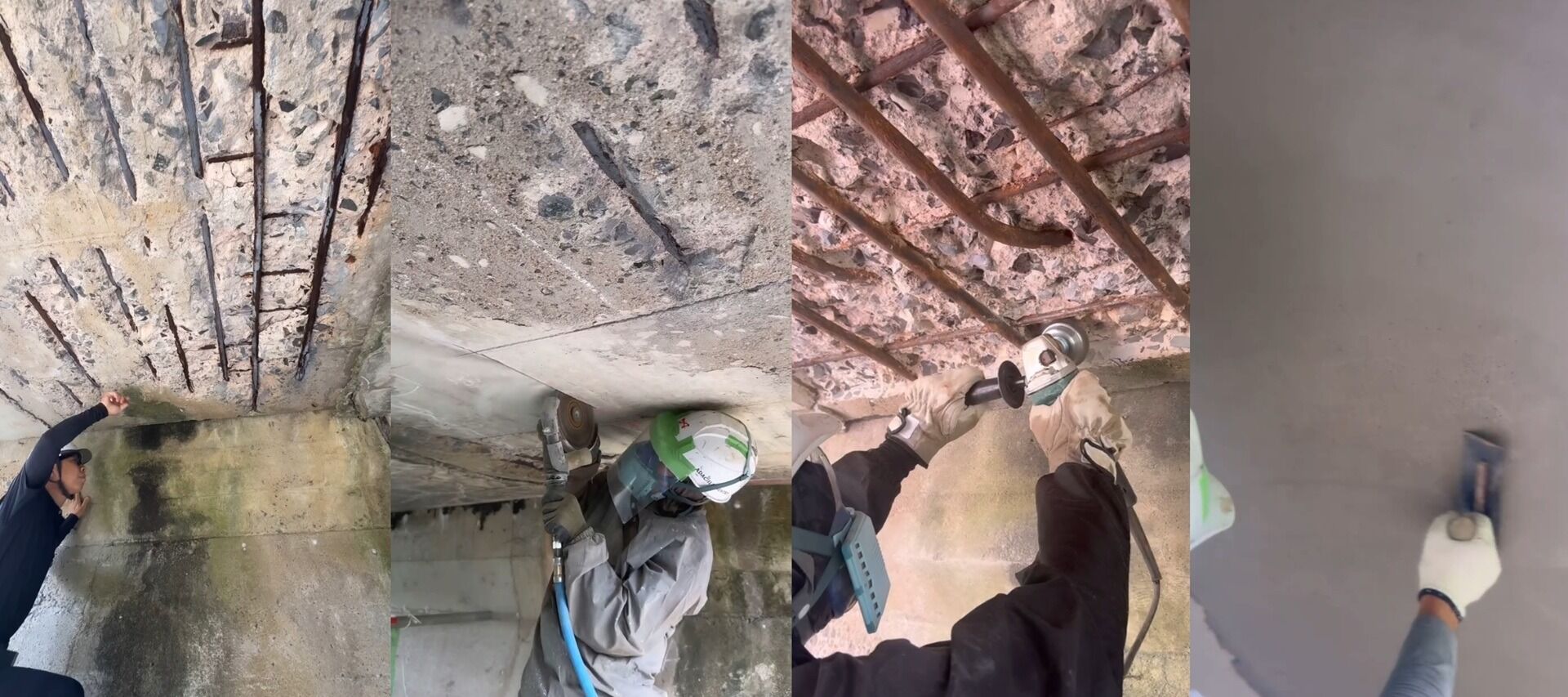
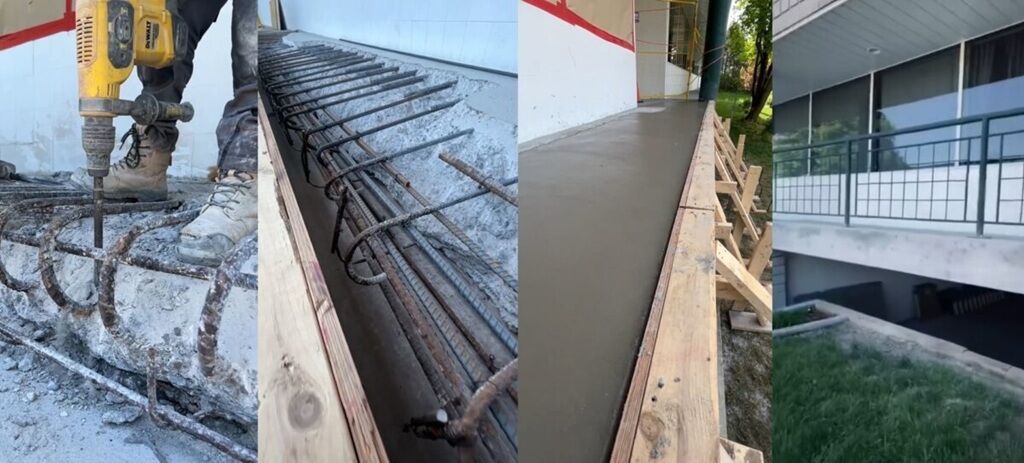
Concrete cancer repair involves removing deteriorated concrete, treating corroded steel reinforcement, and restoring the affected area using specialised repair mortars. The process typically includes saw-cutting the damaged section, cleaning and protecting exposed steel, and reinstating the concrete to ensure long-term durability. Waterproofing systems are then applied to help prevent future moisture ingress and recurring damage.
Many residential and commercial buildings constructed between the 1920s and 1990s contain Magnesite Flooring, which accelerates concrete cancer by trapping moisture and salts within the slab. Prompt magnesite removal and concrete repairs are critical to stopping further deterioration.
Properties located near coastal areas are also at higher risk. Salt-laden air significantly increases steel corrosion, causing concrete cancer to develop faster than in inland locations.
Our team conducts thorough concrete cancer inspections to identify the underlying cause of the damage. By addressing the source—whether moisture ingress, salt exposure, or failed waterproofing—we can deliver targeted, long-lasting concrete cancer repair solutions tailored to your property.
If you suspect concrete cancer in your property, don’t hesitate to CONTACT US NOW FOR A FREE ONSITE INSPECTION. Our experienced team will provide a detailed quote outlining the best methods to treat and permanently repair the issue.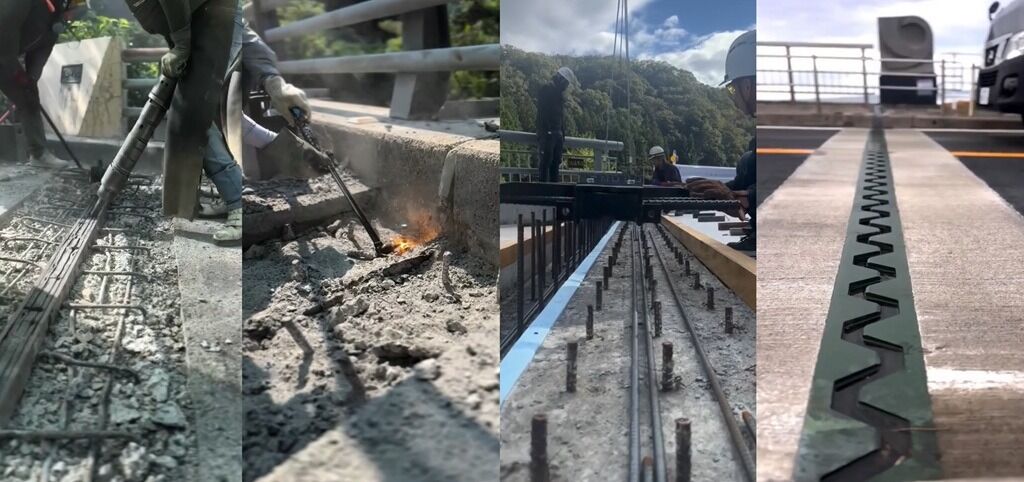
Why Choose Concrete Cancer Repairs Sydney’s Team To Repair Your Concrete Cancer & Concrete Spalling?
At Concrete Cancer Repairs Sydney, we’re committed to delivering exceptional outcomes backed by expertise, innovation, and customer-first service. Here’s what sets us apart:
Dust-Free Technology:
We utilise high-quality dust suppression and extraction systems to keep your environment cleaner and safer throughout the repair process. This minimises airborne debris, protects your property, and reduces the time needed for post-project clean-up.
Over 35 Years Of Experience:
With more than 35 years working across a wide range of concrete repair projects, our team brings deep technical knowledge and practical skill. We understand the complexities of concrete cancer and know exactly how to restore structural integrity.
Fully Licensed And Insured:
Concrete Cancer Repairs Sydney operates with full industry licensing and comprehensive insurance, ensuring every job is carried out professionally, safely, and in line with Australian standards.
Modern And High-Performance Equipment:
We work with advanced tools and machinery to deliver precise, efficient concrete cancer repairs. Our technology allows us to handle everything from minor deterioration to large-scale structural damage with accuracy.
Competitive Pricing & Quote-Beat Promise:
We pride ourselves on offering great value. If you receive a written quote from another provider, we’ll beat it by up to 10%*, ensuring you get premium workmanship at an affordable price.
Complete Concrete Repair Solutions:
Our services extend far beyond basic repairs. From detailed inspections to surface restoration and finishing, we provide end-to-end solutions for concrete cancer and crack remediation across NSW.
Long-Term Warranty Options:
Professional repairs should last—and ours do. Depending on the product and system used, we offer warranties ranging from 7 to 30 years, giving you long-term confidence in the durability of your repaired concrete.
Commitment To Customer Satisfaction:
Your experience matters. We focus on clear communication, reliable service, and outstanding results that consistently exceed expectations.
Premium, Compliant Materials:
All materials we use meet strict Australian standards, ensuring strength, longevity, and proper performance under local conditions.
Tailored Repair Strategies:
Every project is unique, so we assess your situation thoroughly and design a customised repair plan to address the specific causes and severity of your concrete cancer.
How Do We Repair Concrete Cancer?
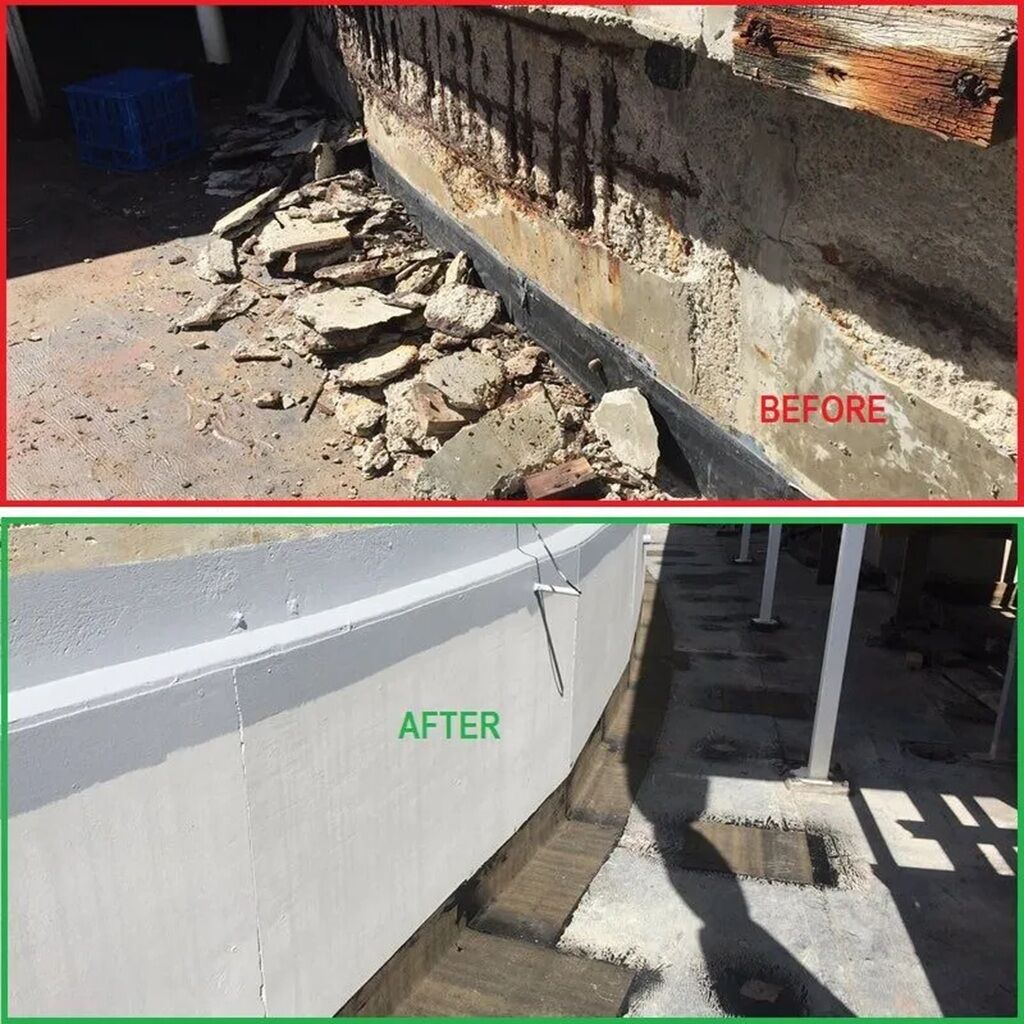
Concrete cancer—also known as concrete spalling—develops when the steel reinforcement inside the concrete starts to corrode. As corrosion occurs, the steel expands, placing pressure on the surrounding concrete and causing it to crack and break down. These fractures allow water and contaminants to enter, speeding up further damage. Typical indicators include rust staining, cracking, surface flaking, concrete delamination, and blistering or bubbling of the concrete surface.
Our Concrete Cancer Repair Process
Step 1: Complimentary Inspection & Estimate
We start by visiting your property to assess the affected area. After the inspection, we provide a free, no-obligation quote outlining the recommended repairs.
Step 2: Comprehensive Condition Assessment
Our team conducts a detailed examination to determine what caused the issue, how far the damage has spread, and the most effective method to fix it.
Step 3: Cutting Out The Damaged Areas
The compromised concrete is neatly cut away, and the edges are shaped to create a clean working area for the restoration.
Step 4: Low-Dust Concrete Removal
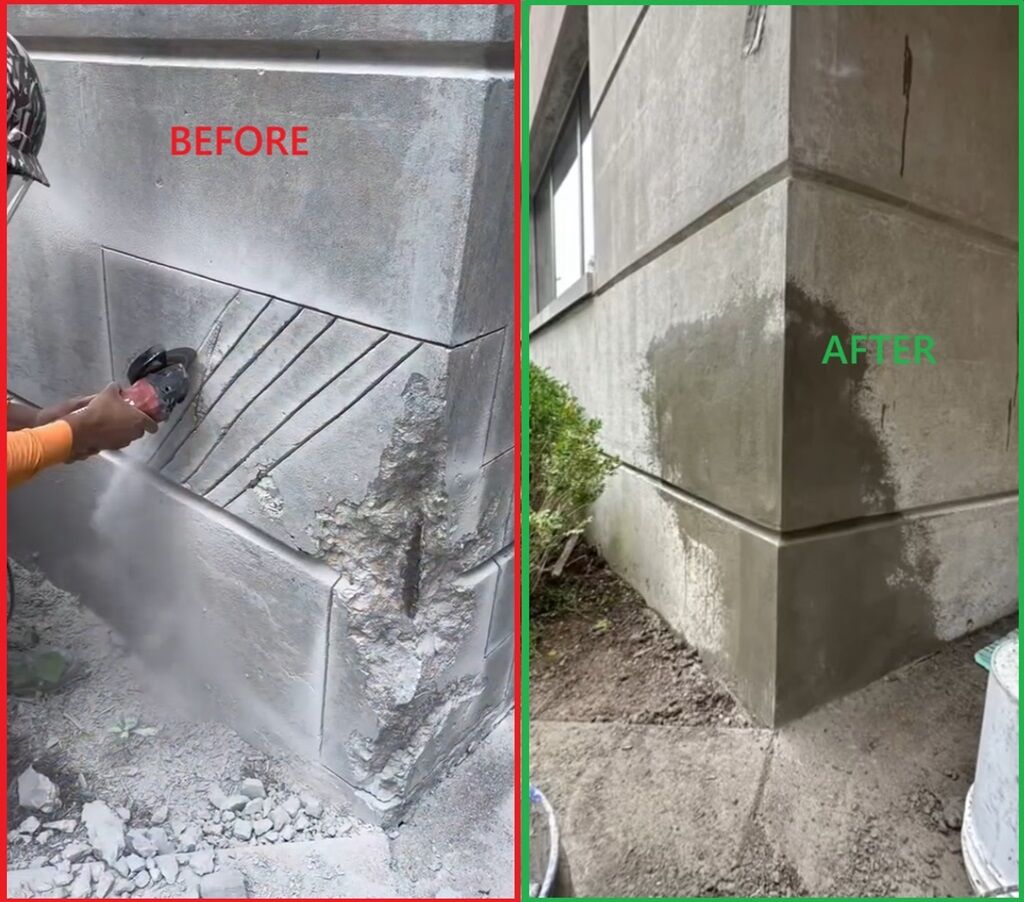
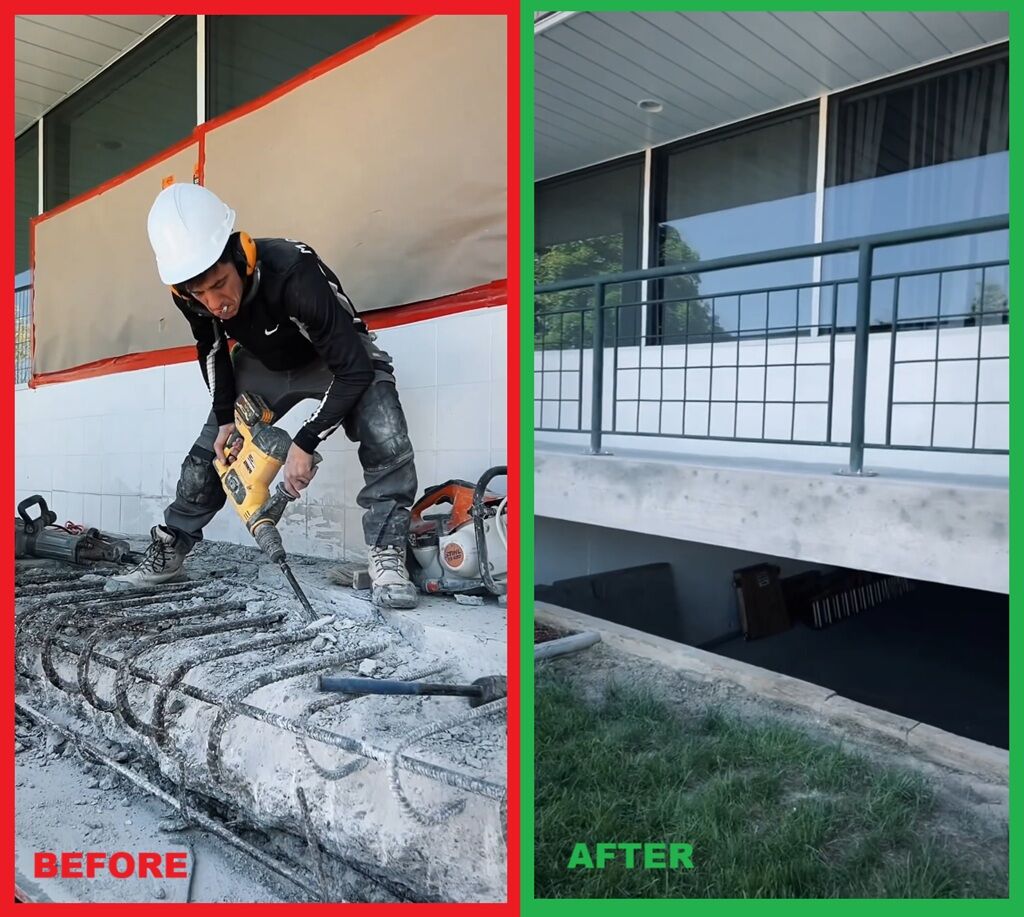
Using specialised jackhammers designed to reduce dust, we remove all weakened and unstable concrete surrounding the corroded reinforcement.
Step 5: Removing Corrosion
Once the steel is exposed, we grind away any rust with a wire brush attachment to ensure the metal is properly cleaned.
Step 6: Thorough Surface Preparation
Both the steel and the remaining concrete are cleaned to provide the best possible surface for primers and protective coatings to bond.
Step 7: Applying Primers & Anti-Corrosion Treatments
We apply premium epoxy primers and rust-preventative products, finishing with a protective layer that helps stop corrosion from returning.
Step 8: Reinforcement Repairs or Replacement
If the existing steel is compromised, we replace or add reinforcement bars to restore the structural integrity of the area.
Step 9: Waterproof Barrier Installation
A moisture-resistant coating is applied over the steel to add another layer of protection against future water intrusion.
Step 10: Rebuilding The Concrete Surface
Fresh concrete is applied to the correct depth and allowed to cure, completing the restoration and returning the surface to its original strength and appearance.
Rust-Coloured Streaks:
Brown or reddish marks appearing on walls or ceilings can indicate corrosion of the steel reinforcement hidden within the concrete.
Surface Wear or Erosion:
Concrete that looks unusually porous, flaky, or worn down can allow water to penetrate, accelerating internal damage.
Cracks of Any Size:
From hairline fractures to deeper splits, cracking often signals expanding rusting steel or shifting structural elements.
Persistent Moisture or Water Staining:
Pooling water, damp patches, or discoloration typically point to poor drainage or water ingress—common triggers of concrete deterioration.
Failing or Damaged Expansion Joints:
When joints lose flexibility or begin to break down, the surrounding concrete can move excessively and start to crack.
Insufficient Concrete Cover:
If the embedded steel sits too close to the surface, it becomes more susceptible to moisture, speeding up corrosion.
Corroded Fixtures and Hardware:
Rusting metal elements—such as brackets, bolts, or tie-downs embedded in concrete—can contribute to wider structural decay.
Paint That Bubbles, Blisters, or Peels:
Often noticeable on ceilings or soffits, this can be a subtle but important indicator that moisture is trapped behind the surface.
Areas That Sound Hollow When Tapped:
A hollow or drummy sound suggests the concrete has detached from the substrate, hinting at delamination or internal voids.
Reinforcement Steel Becoming Visible:
When concrete breaks away or flakes off, exposing rusty steel bars, it’s usually a sign the structure is already in an advanced stage of deterioration.
Major Factors That Contribute To Concrete Cancer & Concrete Spalling
A number of conditions can significantly increase the chances of concrete breaking down and the reinforcing steel corroding:
Magnesite Flooring:
Buildings constructed from the 1920s through the late 1990s often include magnesite floor coverings. Although once a common material, magnesite can trap moisture and contribute to the breakdown of the slab and the corrosion of the steel reinforcement beneath it. If this type of flooring is present, having it professionally removed is recommended to avoid future structural issues.
Proximity To The Coast:
Properties located near the ocean are exposed to harsher environmental conditions. Salt-laden air can work its way into the concrete, speeding up the corrosion of the internal steel bars.
Water Penetration:
Cracks, unsealed joints, and general wear can allow water to seep into concrete. Moisture can also migrate through the natural pores of the concrete itself. Over time, this moisture reaches the reinforcing steel, leading to rust formation and structural weakening.
High Salt Exposure:
Buildings in coastal zones face an elevated risk due to airborne salt. Salt deposits accelerate corrosion, compromising both the steel and the concrete surrounding it.
Carbonation:
As concrete ages, it reacts with carbon dioxide in the air. This chemical process lowers the concrete’s alkalinity, reducing its protective effect on the steel reinforcement and making corrosion more likely.
Age and Environmental Conditions:
Older structures naturally undergo deterioration after decades of exposure to rain, humidity, pollutants, and temperature changes. This long-term wear can cause the concrete to weaken and the steel to become exposed.
Insufficient Concrete Cover Over Reinforcement:
If the steel bars aren’t set deep enough within the concrete, they’re more easily reached by oxygen, moisture, and chlorides. This shallow cover significantly increases the rate at which corrosion can develop.
Substandard Construction Techniques:
Poor-quality concrete mixes, misaligned reinforcement, or failing to properly clean the steel before pouring can all shorten the lifespan of the structure and lead to early signs of damage.
Poor or Failing Waterproofing:
When waterproofing systems break down—such as membranes, coatings, or drainage—water can enter the structure and accelerate internal decay.
Structural Movement and Cracking:
Shifts in the foundation, heavy loads, and natural wear can cause fractures in the concrete. These cracks act as pathways for water, greatly increasing the risk of reinforcement corrosion.
Use of Incompatible Metals:
Mixing different types of metals within the concrete can create electrochemical reactions, which speed up the corrosion of the steel components.
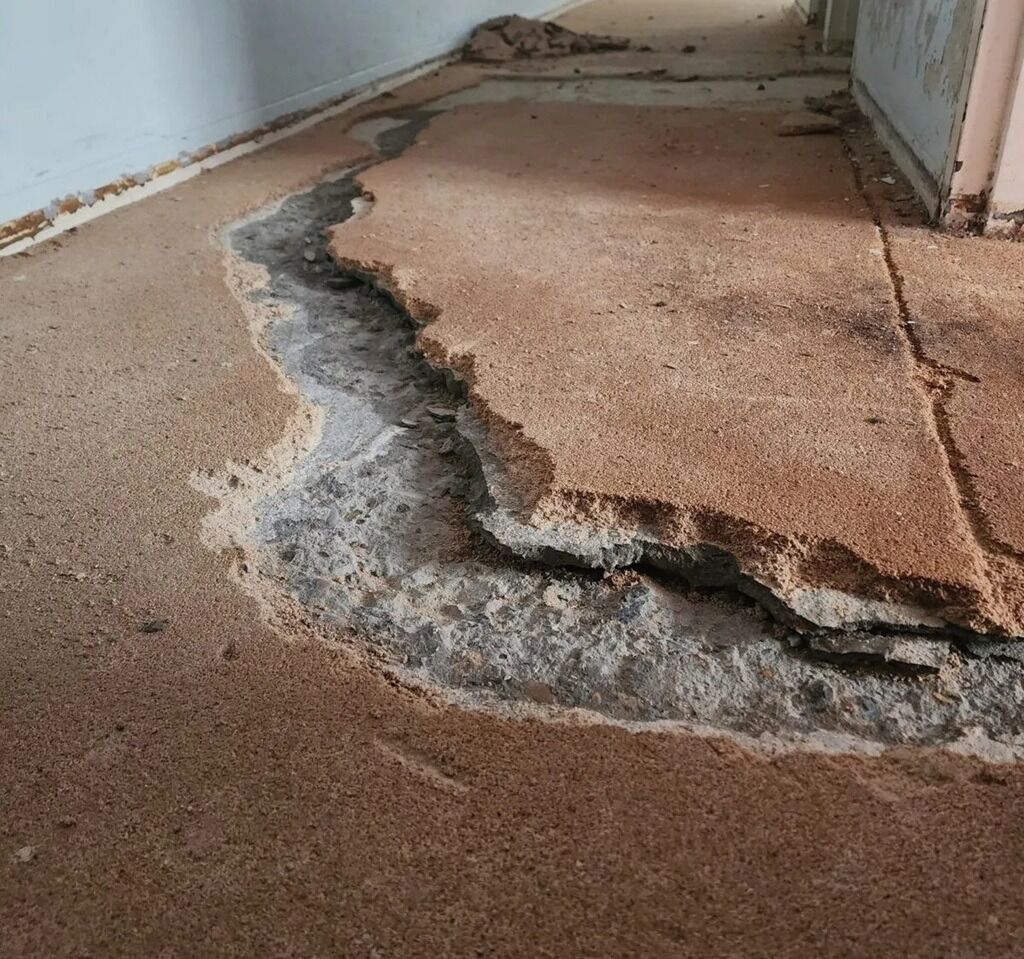
Add-On Services For A Complete Solution For Your Project
Alongside concrete spalling repairs, we offer a full suite of related services to prepare your floors for their next stage. These include:
– Floor Levelling
– Flooring Removal
– Concrete Grinding
– Magnesite Removal
– Concrete Crack Repairs
– Concrete Cancer Repairs
– Concrete Spalling Repairs
– Free Concrete Cancer Inspections
– Waterproofing Membrane Removal
– Waterproofing Membrane Installation
– Supply & Installation Of A New Flooring System
This makes us a one-stop solution for floor preparation services across NSW.
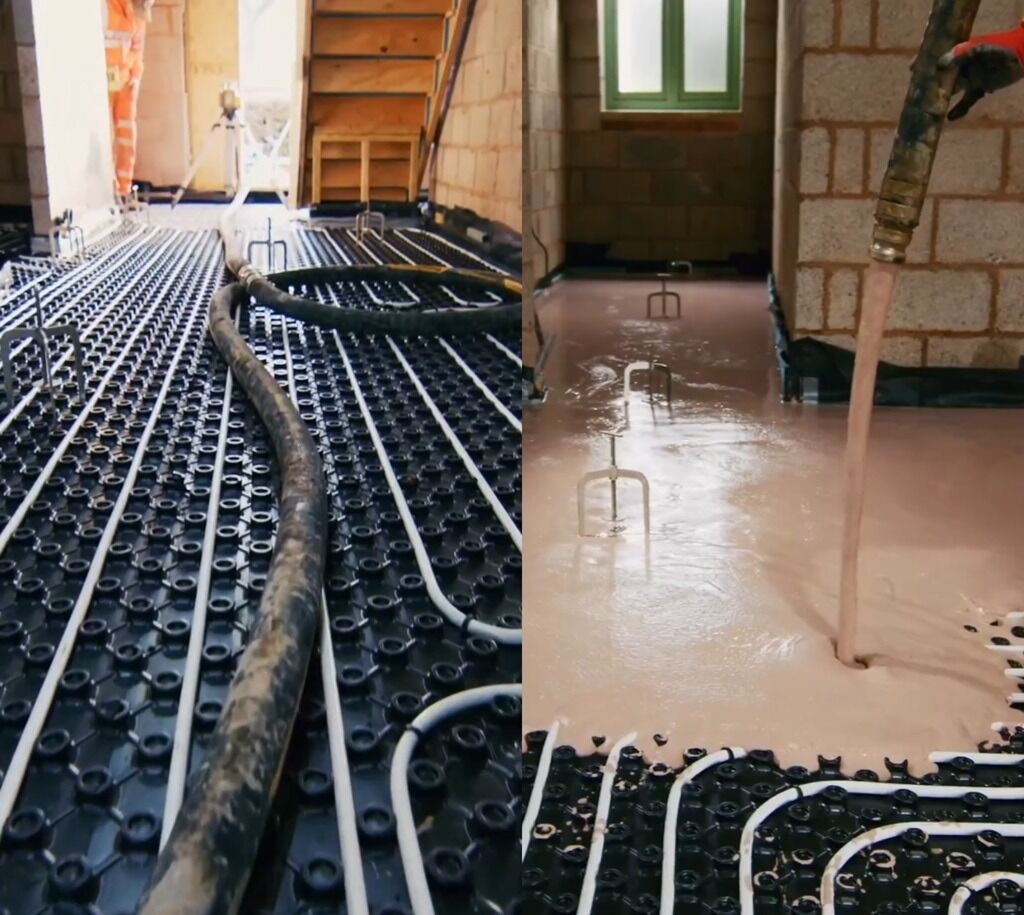
Why Choose Concrete Cancer Repairs Sydney’s Team?
We’re not just another contractor — we’re Sydney’s most trusted name in professional concrete cancer repairs.
Here’s why clients choose us over and over again:
REPUTATION & REVIEWS
✔ 10+ verified 5-star reviews across Facebook
✔ Trusted by thousands of homeowners, builders, and property managers
EQUIPMENT, TOOLS & MATERIALS
✔ Highest quality materials used ONLY
✔ Industrial grinders with precision tooling
✔ 100% dust-free with commercial HEPA vacuum systems
✔ No shortcuts, no rental gear — we own all our machinery
PRICE BEAT GUARANTEE
✔ Clear, upfront pricing — no hidden fees
✔ We’ll beat any written quote by up to 10%
COMPREHENSIVE SERVICE
✔ Free advice and site inspections
✔ We handle a massive range of services (over 125+)
PROFESSIONALISM
✔ Clean, polite, on-time, and responsive
✔ Fully insured, certified, and OH&S compliant
✔ We leave your space spotless — no dust, no drama
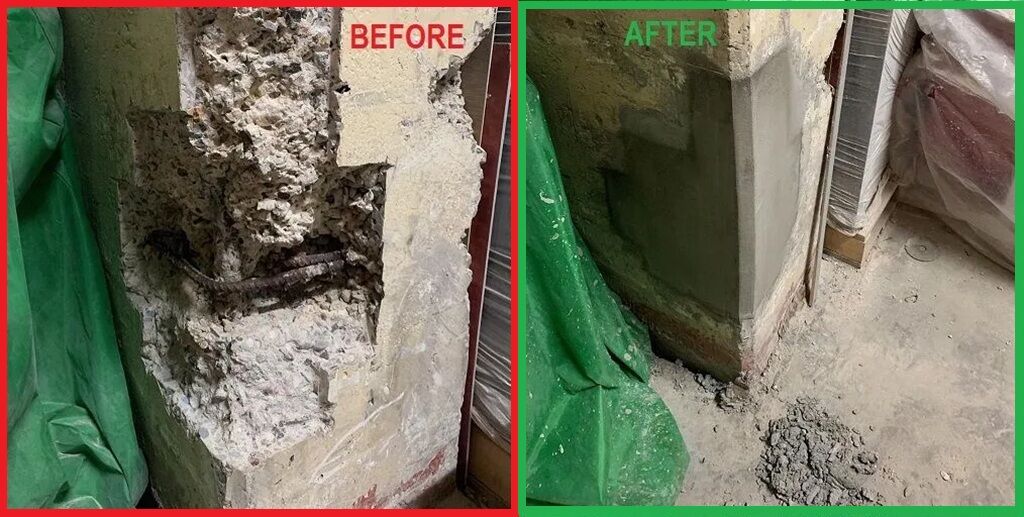
Ready For A Concrete Spalling Repair Quote?
We offer NSW-wide concrete cancer and concrete spalling repair services, expert advice, and fast turnarounds — From small home residential jobs, to STRATA, Government and Complex Industrial projects, we do it all!
CALL US NOW 0424 408 330
Or fill out our Online Contact Form, and we’ll get back to you within 24 hours or less
✔ We beat competitor quotes by up to 10%
✔ Dust-Free guaranteed
✔ Over 10+ positive reviews
✔ Fully insured and compliant
✔ Sydney-wide availability
Don’t risk your health, your concrete, or your time — trust Australia’s concrete cancer repair and concrete spalling repair experts.
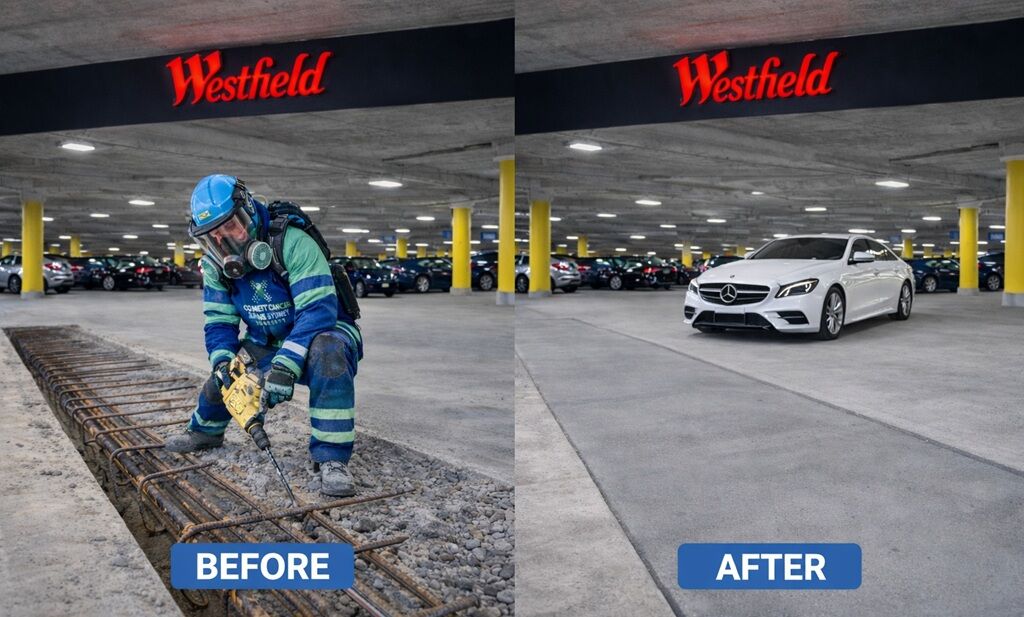
DO YOU NEED HELP WITH A SERVICE?
Fill out the form and our team will contact you!
"*" indicates required fields
FREE
QUOTE
Free Quote & Site inspection*
Conditions apply. *Cannot be used in conjunction with any other offer.

FREE QUOTE CALL OR TEXT
0424 408 330
Trusted by Builders, Strata Managers & Property Owners*
No Call Out Fee Conditions apply*
GET YOUR JOB BOOKED IN AND FINISHED TODAY !!
"*" indicates required fields
"*" indicates required fields
"*" indicates required fields
OFFICE LINE
WORKING HOURS