


What IsConcrete Cancer?
Concrete cancer is deterioration caused by corroding steel inside reinforced concrete. Learn the warning signs, why it happens and how the damage can be repaired.
Recognise The Warning Signs
Look for rust staining, cracking and concrete breaking away.
Understand The Cause
Find out how steel corrosion damages the surrounding concrete.
Plan The Right Repair
Assess the damage and address the conditions behind it.
What DoesConcrete Cancer Mean?
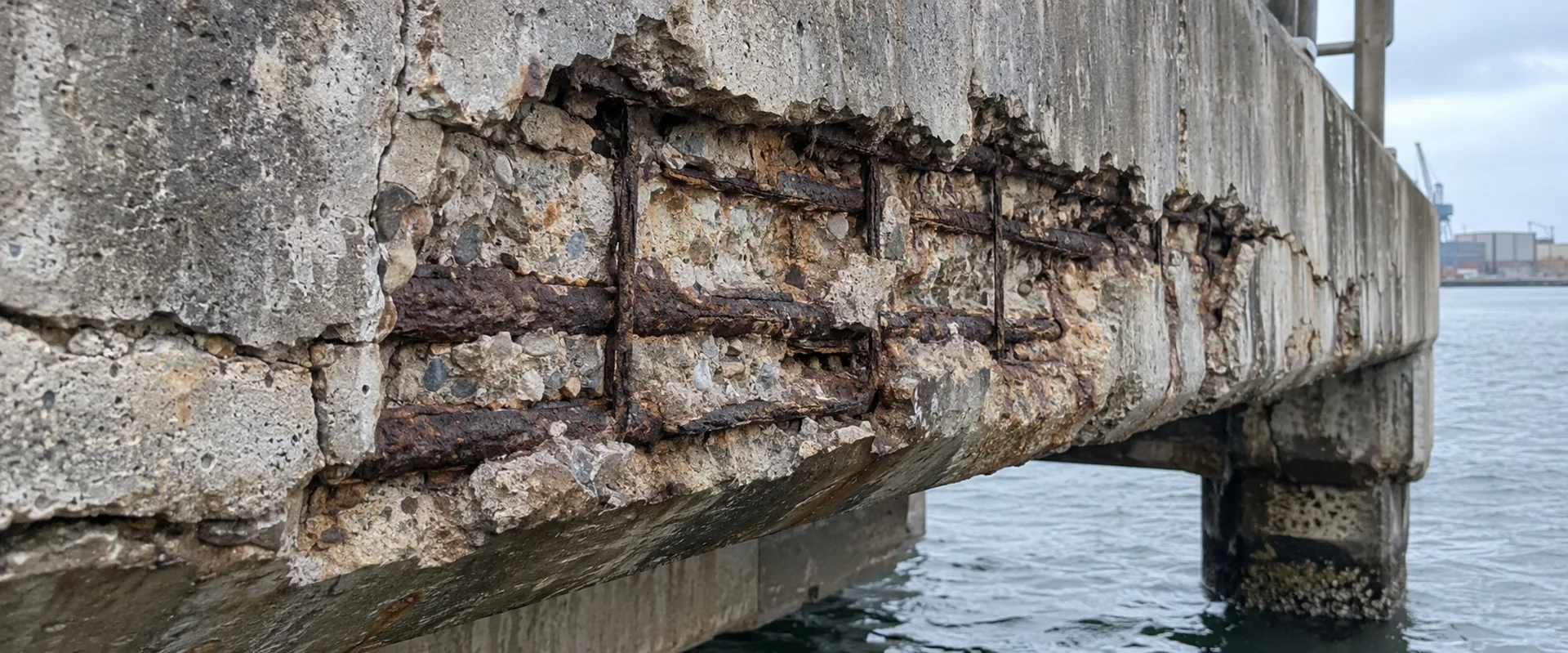
Concrete cancer is a common Australian term for deterioration associated with corrosion of the steel reinforcement inside concrete. The steel rusts, and the corrosion products occupy more space than the original metal. This expansion can crack the concrete, separate layers beneath the surface and push pieces away.
Sound concrete normally provides an alkaline environment that helps protect embedded steel. Chlorides or carbonation can weaken that protection. Where the conditions allow corrosion, moisture and oxygen support the process and damage can develop beyond the first visible patch.
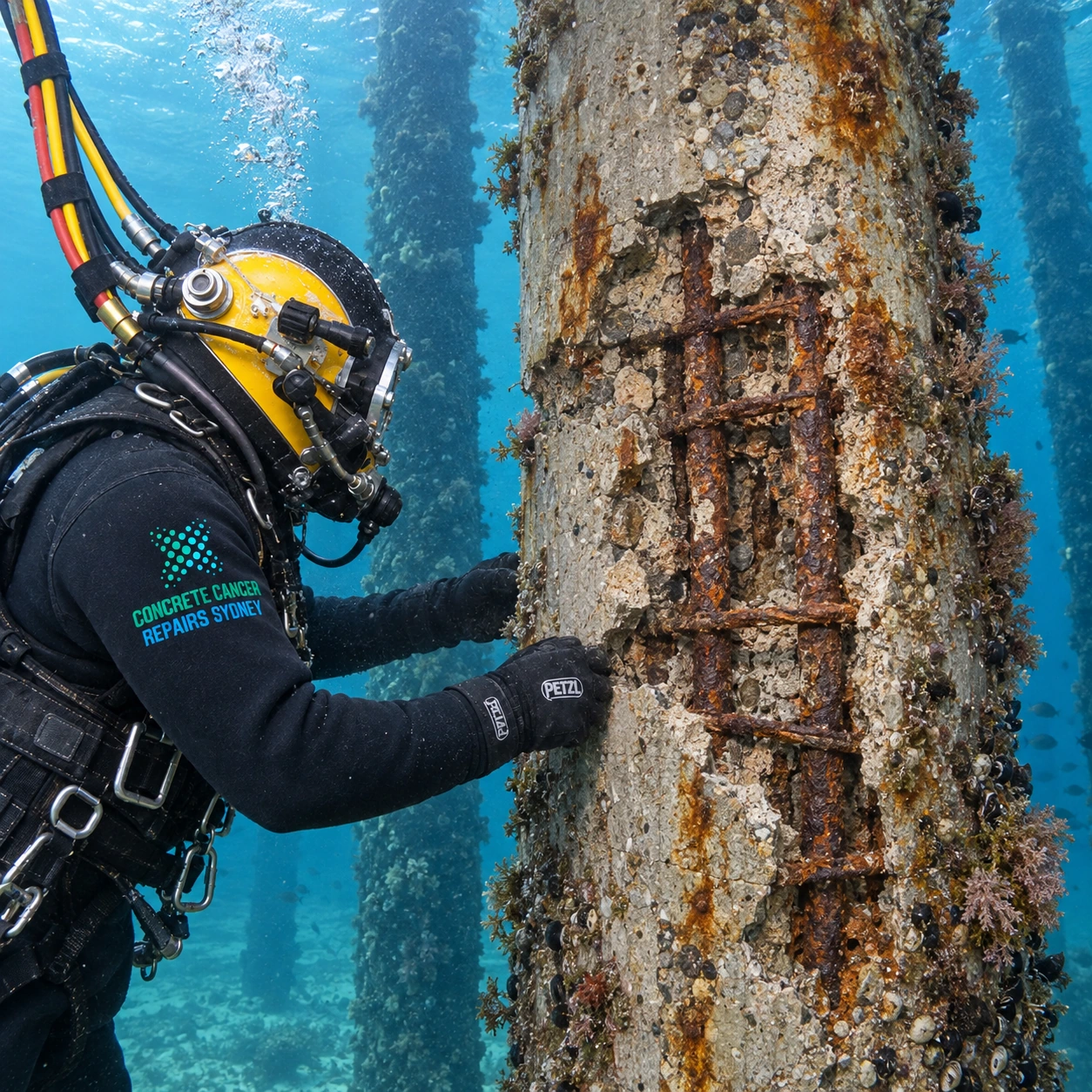
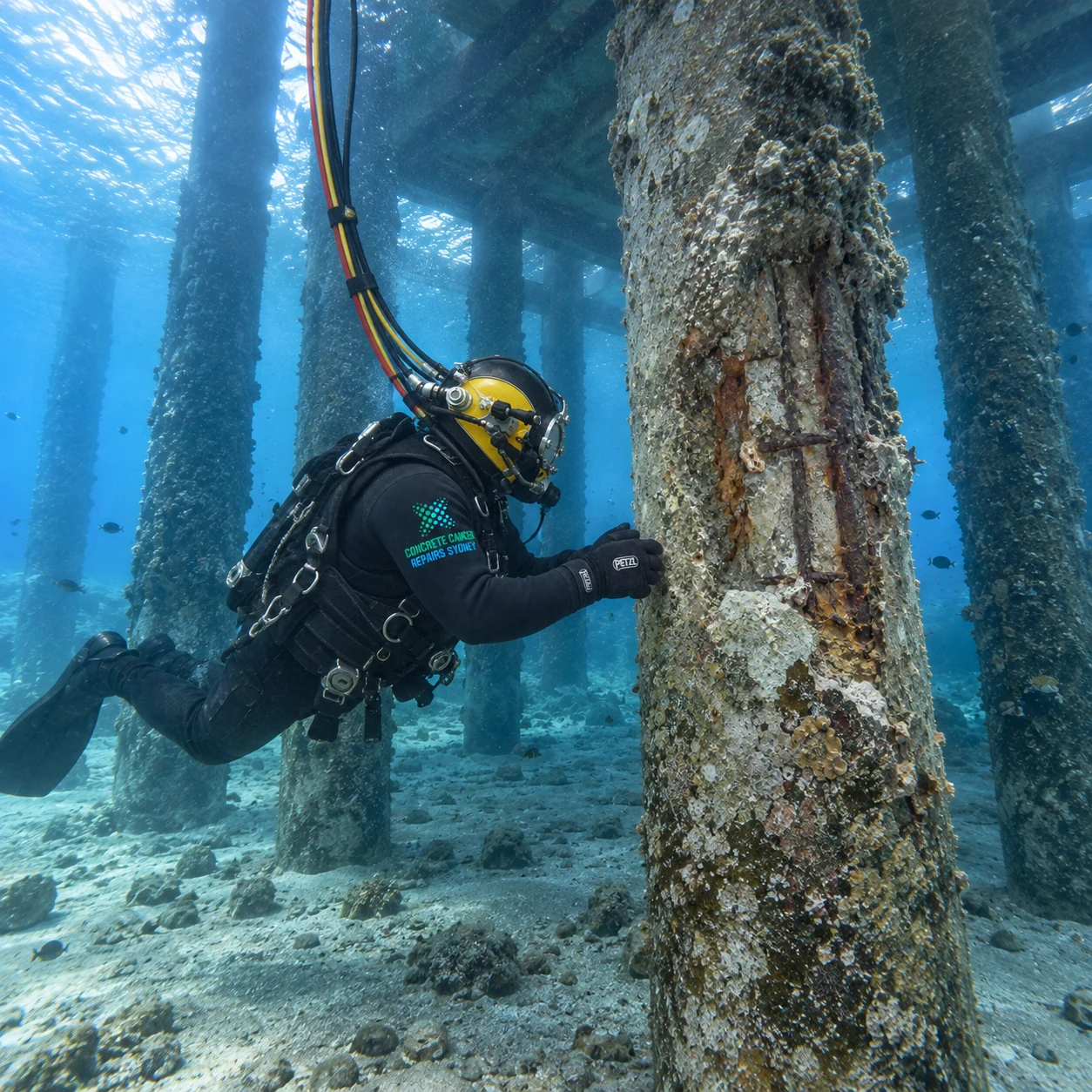
It can affect balconies, slab edges, beams, columns, car parks and marine structures. Visible damage shows where an investigation may be needed; it does not, by itself, reveal the full extent or remaining structural capacity.
Concrete Cancer Or Concrete Spalling?
Concrete cancer describes corrosion-related deterioration. Concrete Spalling describes concrete breaking or flaking away. Corrosion can cause spalling, but impact, fire and other mechanisms can also damage concrete. The terms are related, rather than interchangeable.
Likewise, not every crack means the steel is corroding. Shrinkage, movement and loading can produce cracks for different reasons. An assessment establishes the cause before selecting Concrete Crack Repairs or a wider repair programme.
What Are TheWarning Signs?
Watch for changes around balcony edges, ceilings, beams and columns. Rust-coloured marks, cracks following reinforcement and patches breaking away can indicate corrosion-related deterioration. Coastal and marine exposure can increase the likelihood of chloride contamination.
Rust Staining & Persistent Cracks
Flaking, Bulging Or Missing Concrete
Exposed Or Corroded Reinforcement
Loose overhead concrete can fall. Keep people clear of affected areas and arrange prompt assessment if pieces are detaching or structural distress is visible. Do not knock loose material down yourself. Inspection may include sounding, cover checks and targeted testing; photos alone cannot confirm structural safety.
How Concrete Cancer Is Repaired
Inspect & Diagnose
Map the damage, investigate moisture and corrosion, and identify any need for engineering advice or further tests.
Define The Scope
Confirm the repair boundaries, access, reinforcement requirements and a suitable repair system.
Prepare & Reinstate
Remove unsound concrete, prepare or repair the steel as specified, and reinstate the section with compatible materials.
Protect & Check
Cure and inspect the repair, address water entry and document the work and future maintenance requirements.
AfterThe Repair
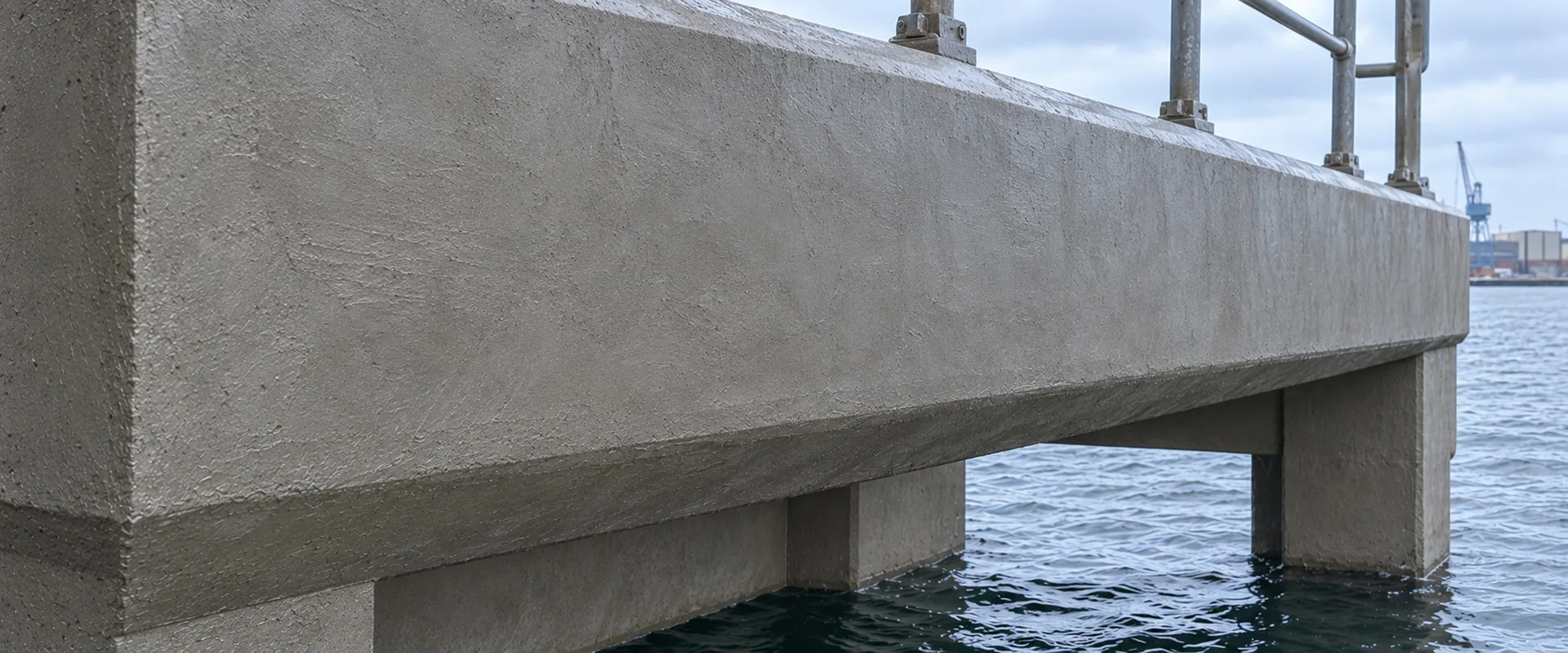
Repair durability depends on the diagnosis, preparation, materials, exposure and ongoing care. A new surface does not remove every future corrosion risk. Include the repaired area and surrounding concrete in a maintenance plan suited to your property.
Keep Repair Records
Retain inspection findings, the agreed scope, materials and completion records.
Watch For Changes
Report recurring cracks, rust marks, loose concrete or leaks for reassessment.
Control Water Entry
Maintain drainage, joints and waterproofing as part of the repair plan.
What Affects Concrete Cancer Repair Costs?
Extent Of Damage
Repair depth, affected area and concealed deterioration influence the amount of work.
Reinforcement Condition
Steel section loss, engineering requirements and any additional reinforcement affect the scope.
Access & Site Conditions
Height, scaffolding, occupied areas and marine access can change how repairs are carried out.
Repair & Protection
Specified materials, finishes and work to address leaks or exposure contribute to the price.
Concerned AboutConcrete Cancer?
Send photos of the affected area and tell us about your property. We can discuss the visible damage, site access and the next steps towards an appropriate inspection and repair scope.
Photos & Reports
Share clear photos and any existing inspection or engineering reports.
Property & Access
Include the Sydney suburb, building type and location of the affected concrete.
Changes & Timing
Tell us when the damage appeared and whether cracks, staining or leaks are worsening.