



Cracks AroundBalustrade Fixings
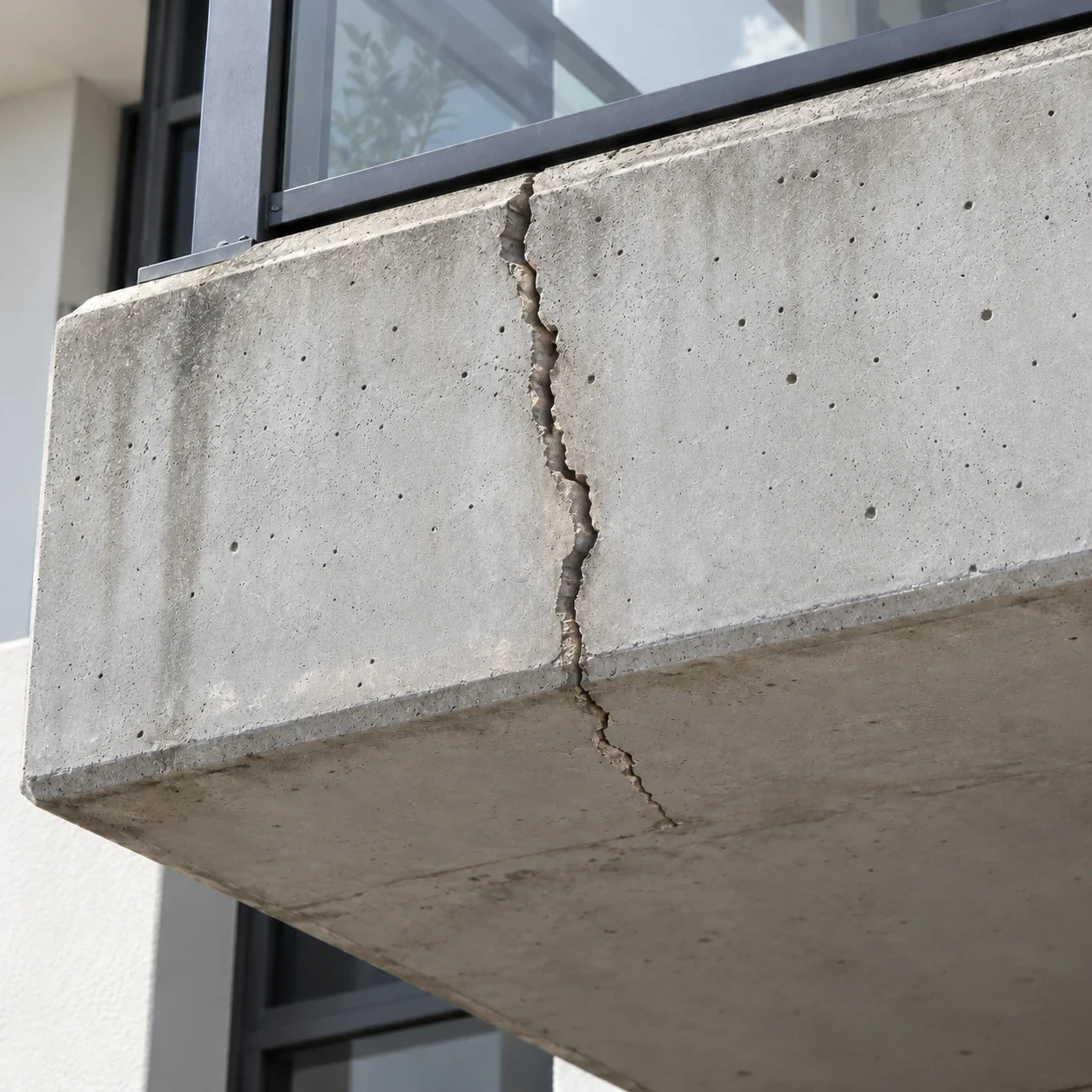
Cracking, rust staining or loose concrete around a balcony railing fixing needs attention. The assessment should consider the barrier, its anchors and the concrete supporting them together.
Treat The Barrier Seriously
Report loose or damaged railing connections.
Inspect The Interface
Check anchors, concrete and water entry.
Coordinate The Repairs
Connect barrier work with concrete and waterproofing.
The Fixing And ConcreteWork Together
A balustrade relies on suitable connections to its supporting construction. Damage around a fixing is therefore more than a cosmetic concern. The condition of the post, baseplate, anchors and concrete can each affect the assessment.
Rust stains or cracks may have several causes, including corrosion, movement or local installation issues. The visible pattern cannot establish anchor capacity. A competent assessment should identify the defect and determine what inspection, testing or design is appropriate.
Also consider how water reaches the connection. Penetrations through the balcony surface and adjoining waterproofing details may need review, particularly where earlier sealant repairs have not resolved the issue.
Do Not Test A Suspect Railing Yourself
Report the location to the owner or strata manager and avoid leaning on or shaking the railing. Follow any restrictions issued for the balcony. A photograph taken from a safe position can help arrange attendance, but it cannot confirm the barrier’s performance.
Our balcony leak guide explains why the surrounding construction also matters.
Report TheseChanges Promptly
Give building management clear location details and explain whether the condition is new or worsening. Do not enter a restricted balcony to obtain additional photographs.
A Loose Post Or Baseplate
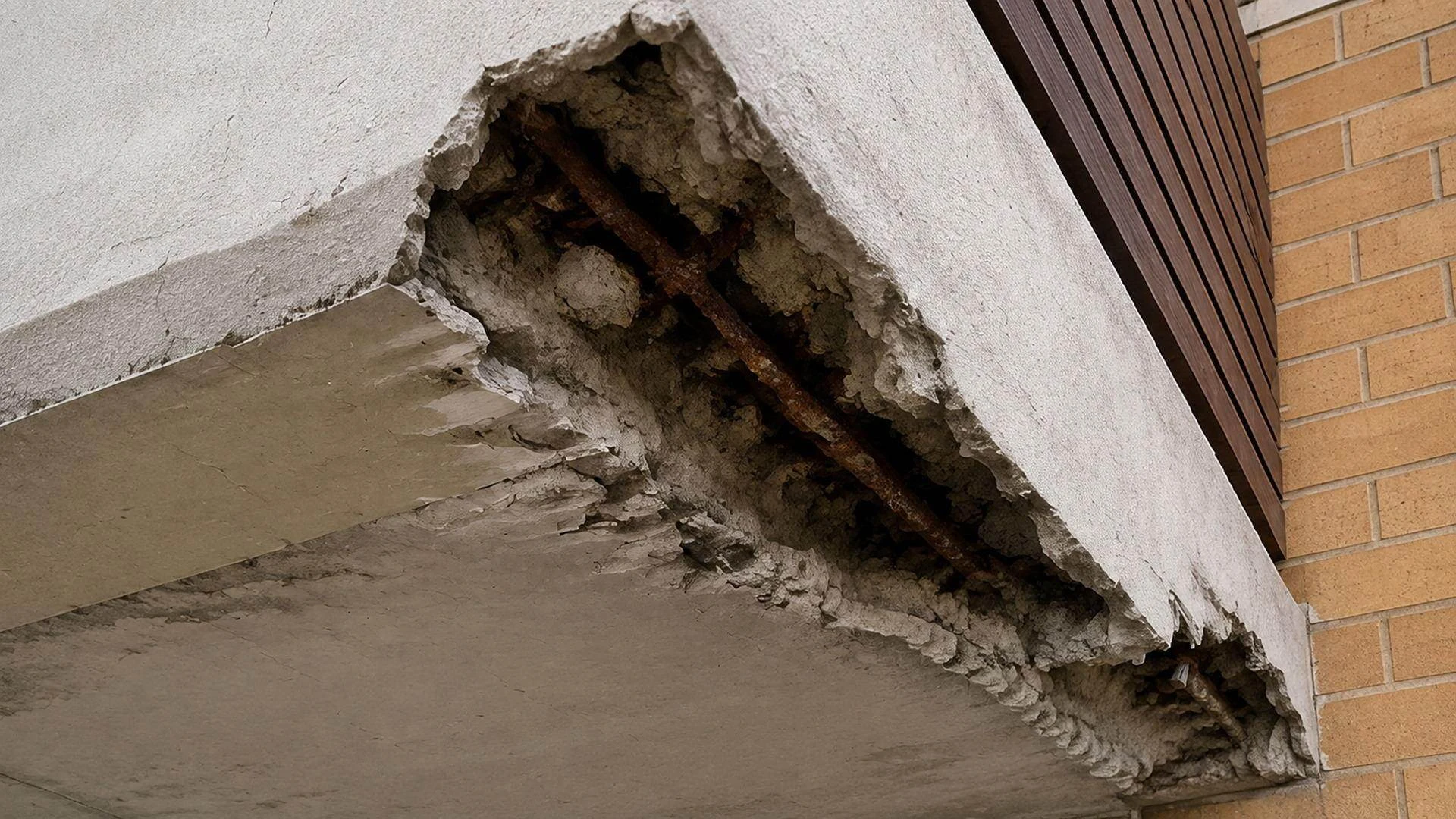
Cracks Or Spalling At Anchors
Rust Stains Around The Connection
If the barrier may be unsafe, the responsible professionals should determine access restrictions and temporary protection. Replacing a visible bolt or applying sealant does not establish that the complete connection is adequate.
Plan The Assessment And Repair
Report & Protect
Notify the responsible building contact and follow restrictions.
Inspect The Detail
Assess the barrier, fixings and supporting construction.
Specify The Interfaces
Agree concrete, anchorage and waterproofing responsibilities.
Check Before Use
Complete the required verification before reopening the area.
After TheConnection Is Repaired
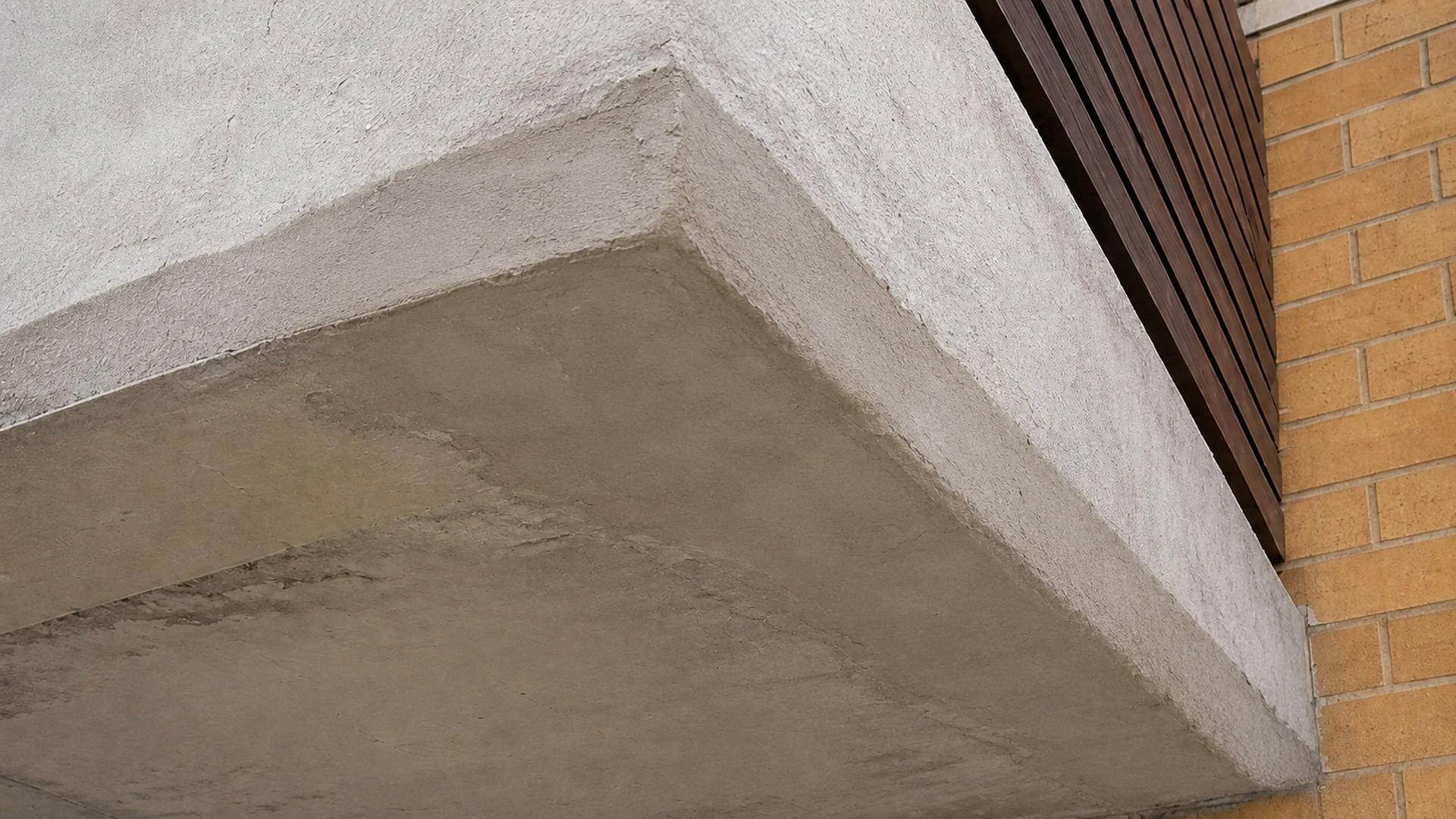
Keep the connection detail and completion records available for future work. Later replacement of tiles or balcony finishes should take the barrier fixings and waterproofing into account.
Keep The Detail
Retain drawings and installation or inspection records.
Maintain Seals
Follow the specified maintenance instructions.
Report Movement
Arrange assessment if looseness, cracks or staining return.
What Changes The Repair Scope?
Concealed Condition
Opening up may reveal damage around or below the fixings.
Barrier System
Retained and replacement components need compatibility.
Waterproofing
Membrane reinstatement may extend beyond the fixing footprint.
Access
Temporary protection and balcony restrictions affect delivery.

Concerned AboutA Balcony Fixing?
Share existing photographs and any assessment advice. We can discuss the concrete repair work and coordination needed for the affected area.
Location
Identify the balcony and specific fixing.
Observed Changes
Describe rust, cracks, looseness or prior repairs.
Existing Advice
Attach reports and any current restrictions.