


Concrete RepairOr Replacement?
The right choice depends on the remaining concrete and reinforcement, structural demands, exposure and practical repair options. The size of the visible defect is only one part of the decision.
Understand The Condition
Assess the element and surrounding concrete.
Compare Complete Options
Include access, protection and reinstatement.
Plan For Future Use
Match the solution to the building’s needs.
Begin WithThe Structural Question
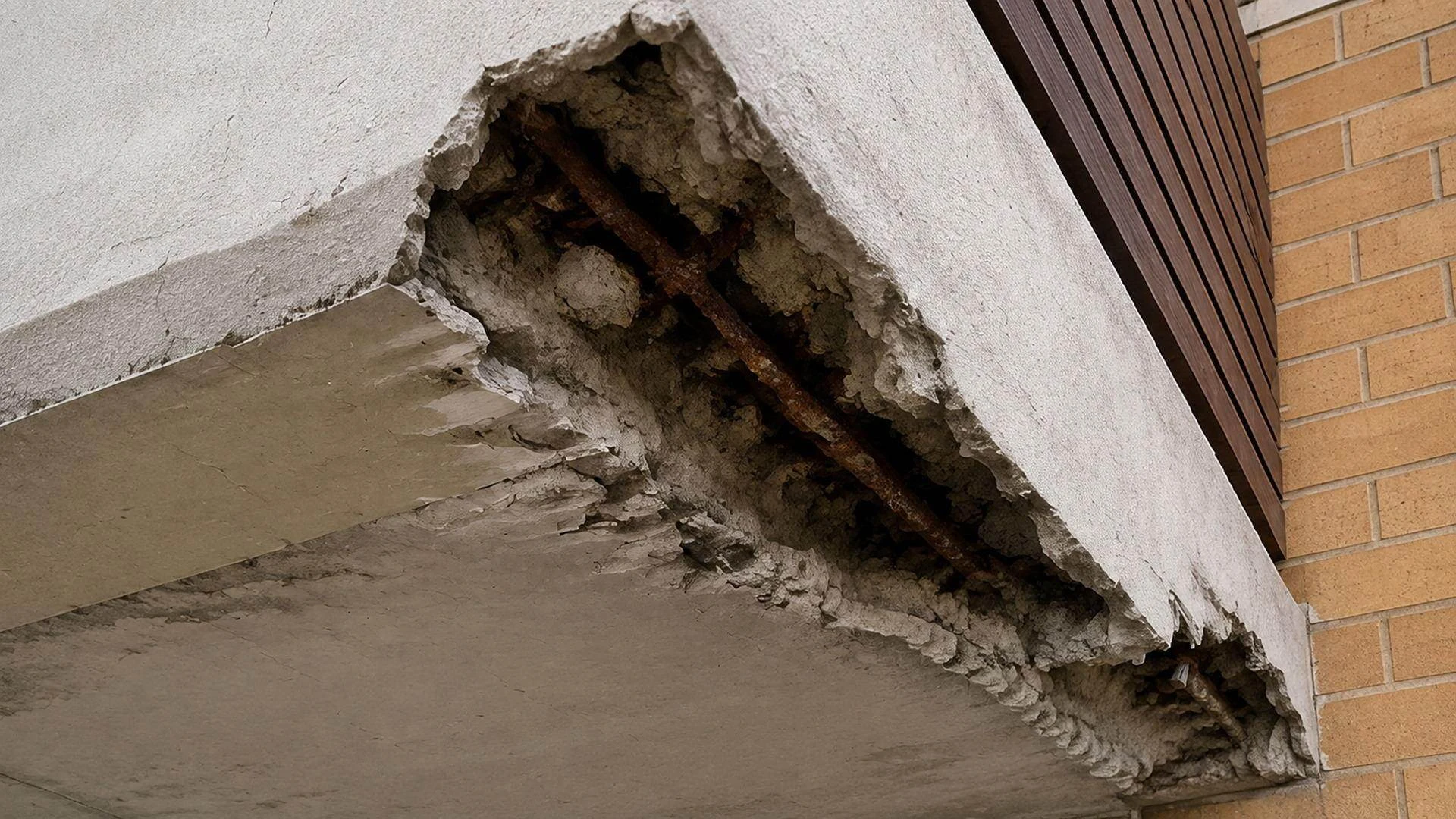
A damaged balcony edge, beam or column should not be judged by appearance alone. The assessment needs to establish the cause, extent and structural significance of the deterioration. Some widespread-looking surface damage is repairable; a smaller defect in a critical location may need more substantial intervention.
An engineer may need to assess the remaining concrete section, reinforcement condition and loading before recommending a strategy. Temporary support and access restrictions may also need consideration while the work is investigated or carried out.
The useful question is not simply whether a patch can be installed. It is whether the complete proposed solution can provide the required performance for the intended use, with a realistic construction and maintenance plan.
Compare The Complete Scope
A repair option might include concrete removal, reinforcement work, reinstatement and protection. Replacement may involve demolition, temporary works, new reinforcement and concrete, plus rebuilding connected finishes and details.
Our quote comparison guide explains which inclusions to check. Ask for the assumptions behind each option. Compare the same element, access constraints and intended outcome. A price for a cosmetic surface patch cannot be meaningfully compared with an engineered replacement scope.
When A WiderReview Is Sensible
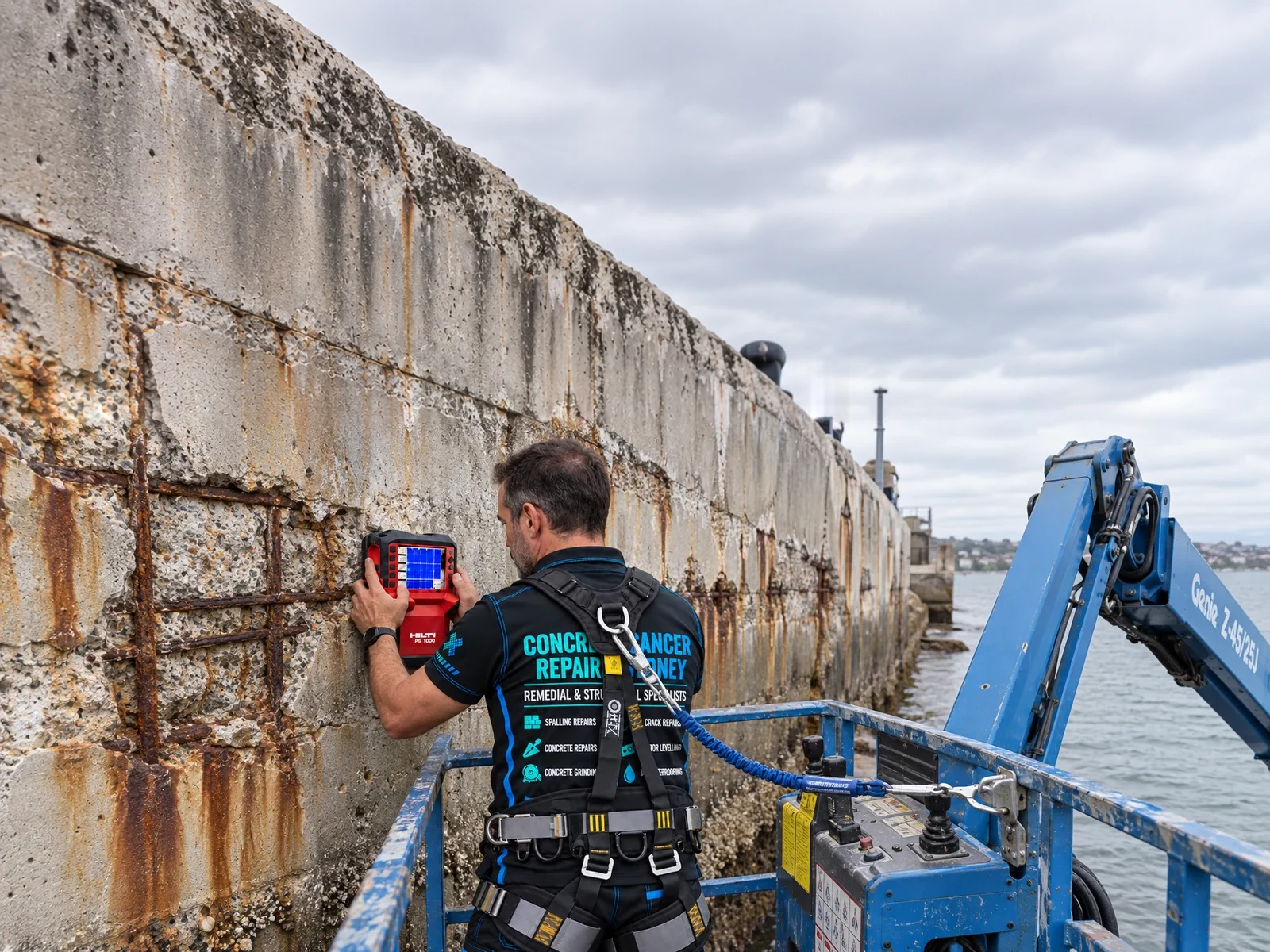
Repeated repairs, extensive cracking or visible reinforcement deterioration are reasons to investigate the overall strategy. Past reports can help show whether deterioration is isolated or progressing across the structure.
Repeated Or Spreading Defects
Significant Reinforcement Loss
Movement Or Structural Concerns
These observations do not automatically mean replacement is required. They mean the decision needs suitable expertise. If concrete is falling or the structure appears distressed, restrict access and arrange urgent professional assessment.
A Clear Decision Process
Inspect & Investigate
Map the defects and obtain testing or structural assessment where needed.
Develop Options
Define viable repair, strengthening or replacement approaches.
Compare Impacts
Consider cost, temporary works, access, disruption and maintenance together.
Confirm The Design
Document the chosen scope, approvals, inspections and construction sequence.
Look BeyondThe Initial Price
A committee or owner needs to understand what the proposed work achieves and what obligations remain. Ask for assumptions to be stated plainly, especially where the decision depends on concealed conditions or future maintenance.
Record The Rationale
Keep the findings and reasons for selecting the preferred option.
Confirm Interfaces
Identify work to adjoining finishes, membranes, services and connections.
Plan Maintenance
Understand the protection and inspection requirements after completion.
Compare These Cost Drivers
Temporary Works
Support, staged access and protection may be significant items.
Repair Complexity
Depth, reinforcement work and difficult placement affect repairs.
Replacement Scope
Demolition, new construction and connections affect replacement.
Associated Work
Finishes, services and waterproofing belong in the comparison.

Unsure WhichOption Fits Your Building?
Send the defect information and any engineering reports. We can discuss the site and the investigation needed to develop a practical concrete repair scope.
Existing Reports
Include recommendations, drawings and known loading concerns.
Building Access
Describe occupied areas and constraints around the element.
Project Objectives
Tell us what the owner or committee needs the work to achieve.