



Why Concrete CancerCan Return
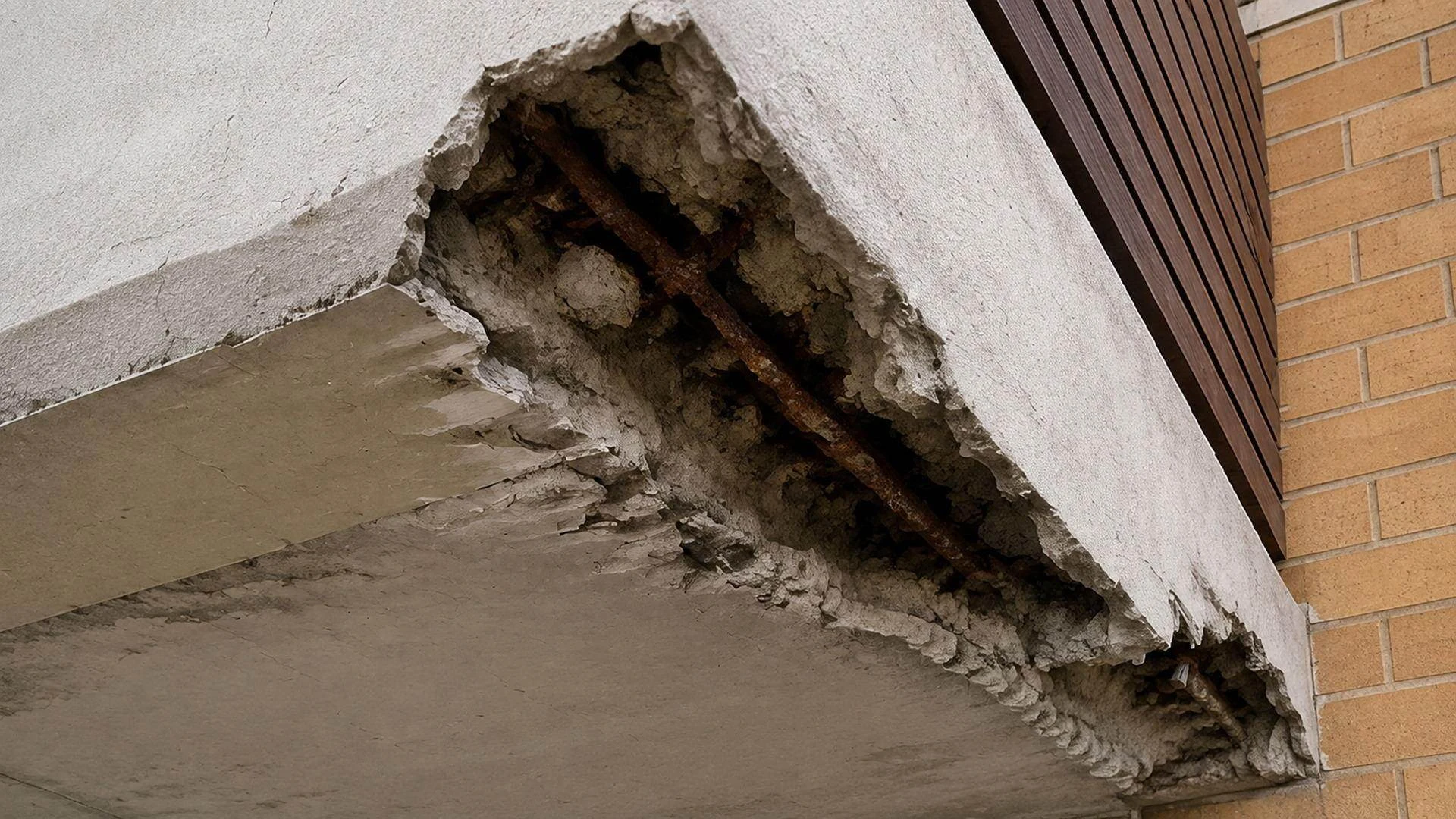
Rust staining or cracking beside an old patch deserves a fresh assessment. Recurring damage can involve the original cause, surrounding concrete, repair preparation or a separate defect.
Look Beyond The Patch
Investigate the adjoining concrete and exposure.
Review The Cause
Check whether water entry and corrosion were addressed.
Plan A Durable Scope
Use the findings to guide the next repair.
A New PatchDoes Not Tell The Whole Story
A repair may look sound while nearby reinforcement remains vulnerable. If deterioration returns, first establish whether the damage is in the repair itself, at its edge or elsewhere in the element. Those locations can point to different issues.
Water entry, chloride contamination, concrete condition and reinforcement loss all influence the investigation. A new stain does not prove poor workmanship, and an attractive finish does not prove the original cause was resolved. The diagnosis needs evidence.
Gather the previous scope, material records, photographs and any engineering advice. Knowing what was removed and treated makes a repeat inspection more useful than starting with the visible surface alone.
Why Damage Can Appear Beside A Repair
In chloride-affected reinforced concrete, corrosion can develop in the parent concrete adjoining a repaired area. This is commonly called the incipient anode or halo effect. It is one reason repair boundaries and corrosion management require attention.
Where the assessment supports it, an engineer may specify additional corrosion-control measures. Sika’s patch-anode information describes one approach; it is not a universal treatment for every damaged slab.
Changes WorthReporting Early
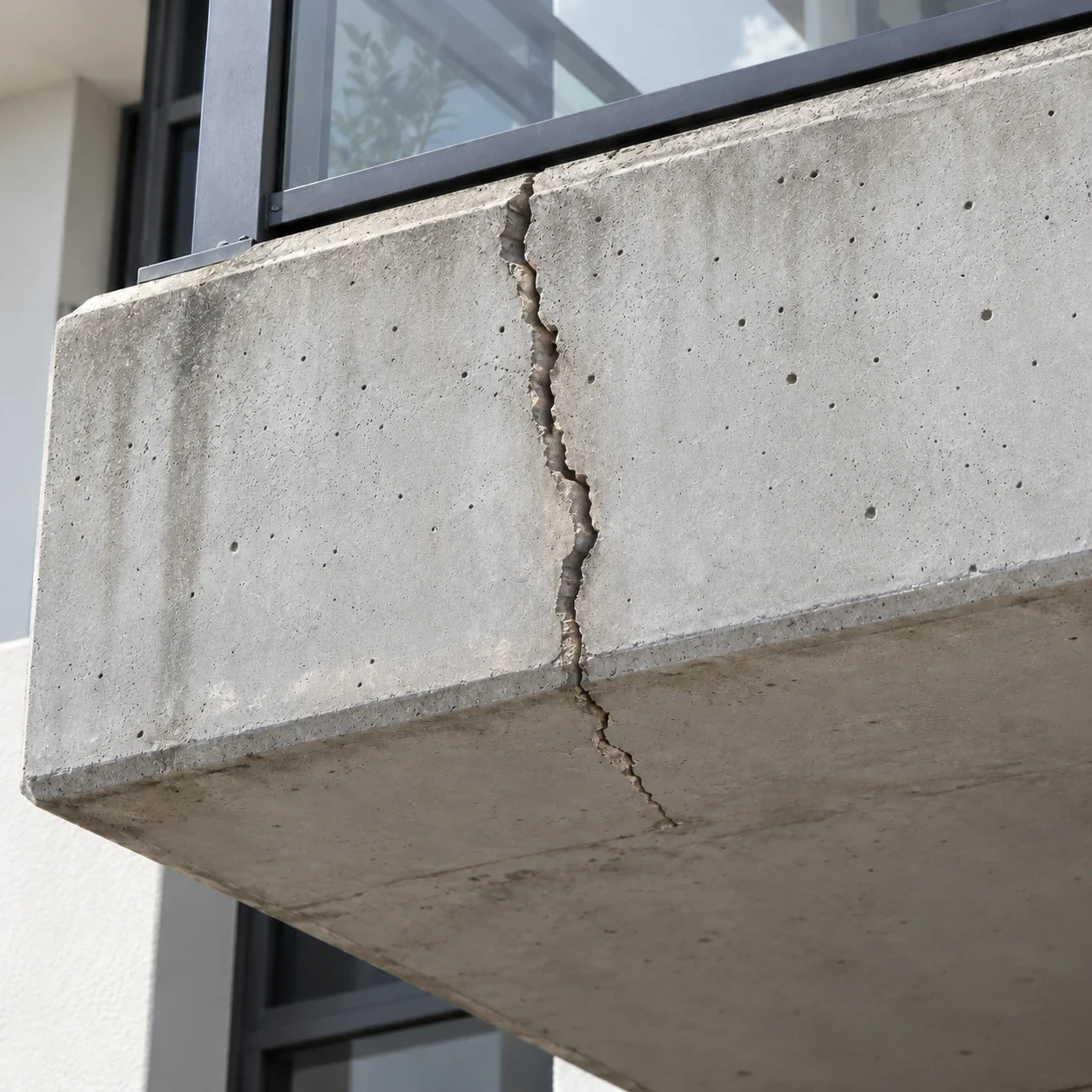
Take dated photographs from the same safe position and note whether the change is growing. Tell the inspector if the area gets wet after rain or if similar defects have appeared nearby.
Rust Marks At Patch Edges
New Cracks Or Loose Material
Recurring Leaks Or Dampness
Keep people away from loose overhead concrete and seek prompt assessment. Do not chip at the surface to test it. A photograph can help organise an inspection but cannot confirm the remaining strength or safety of the element.
How To Investigate Recurrence
Review The History
Collect the previous reports, scope, product records and completion photographs.
Map The Changes
Record new defects and their relationship to old repair boundaries.
Test As Needed
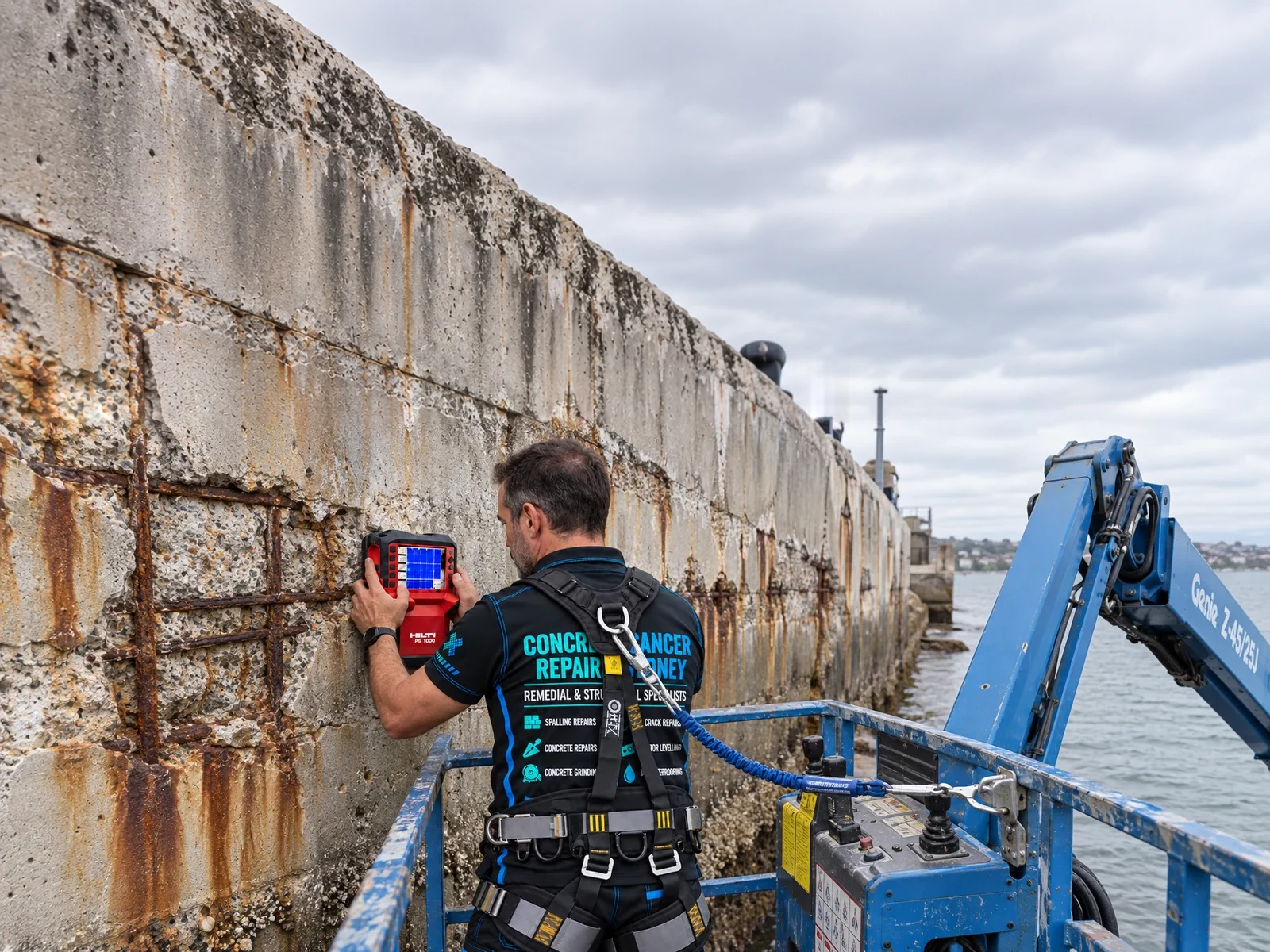
Use the inspection findings to decide on targeted concrete or corrosion testing.
Revise The Scope
Address the identified causes, quality checks and future monitoring requirements.
After TheNext Repair
Agree how the repair will be recorded and monitored. Maintenance should cover the surrounding building details as well as the patch, especially where water entry was part of the problem.
Keep A Baseline
Retain completion photographs so later changes can be compared.
Maintain Protection
Look after specified coatings, joints, membranes and drainage.
Report New Defects
Arrange reassessment if staining, cracking or loose concrete returns.
What Affects Repeat Repair Costs?
Investigation
Testing and access may be needed to distinguish the causes.
Repair Extent
The appropriate boundary may be larger than the visible patch.
Steel Condition
Loss of reinforcement can change the engineering and repair requirements.
Moisture Control
Associated waterproofing or drainage work may form part of the solution.

Seeing DamageAround An Old Repair?
Share the previous repair details and current photographs. We can discuss an inspection focused on the repaired area and the surrounding concrete.
Previous Work
Include dates, scope, materials and any warranty documents.
Current Symptoms
Show the location of cracks or rust relative to the old patch.
Water History
Tell us about leaks, exposure and when the changes appeared.