

FREE QUOTE CALL OR TEXT
0424 408 330
Trusted by Builders, Strata Managers & Property Owners*
No Call Out Fee Conditions apply*
GET YOUR JOB BOOKED IN AND FINISHED TODAY !!
"*" indicates required fields
What You Need To Know About Concrete Cancer
Throughout this article, we will explain everything regarding: What You Need To Know About Concrete Cancer
Concrete Cancer is one of Australia’s most expensive and disruptive building problems—especially across Sydney, coastal suburbs, and ageing residential strata complexes. Yet most homeowners, strata committees, and commercial property managers don’t realise the early warning signs, long-term risks, or the correct repair process until it’s too late and the damage becomes severe.
This comprehensive guide explains what concrete cancer actually is, what causes it, why it spreads, how to identify early warning signs, and what a professional repair process looks like. We also break down typical repair timeframes, cost factors, and essential preventative maintenance actions.
Whether you own a house, manage a strata building, or are considering buying a property with concrete cancer—this is everything you need to know.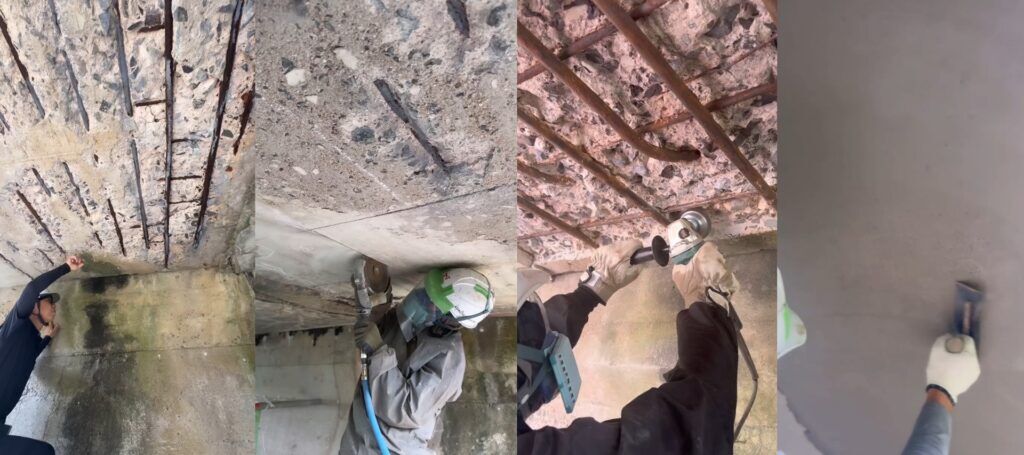
What Is Concrete Cancer?
Concrete cancer refers to the progressive and destructive deterioration of concrete caused by corrosion of the reinforcing steel (rebar) located inside the slab or structural element. When moisture, salt or water penetrates concrete—even through small hairline cracks—it can reach the steel reinforcement hidden beneath the surface. Once this steel begins to corrode, it expands dramatically, sometimes up to four times its original size.
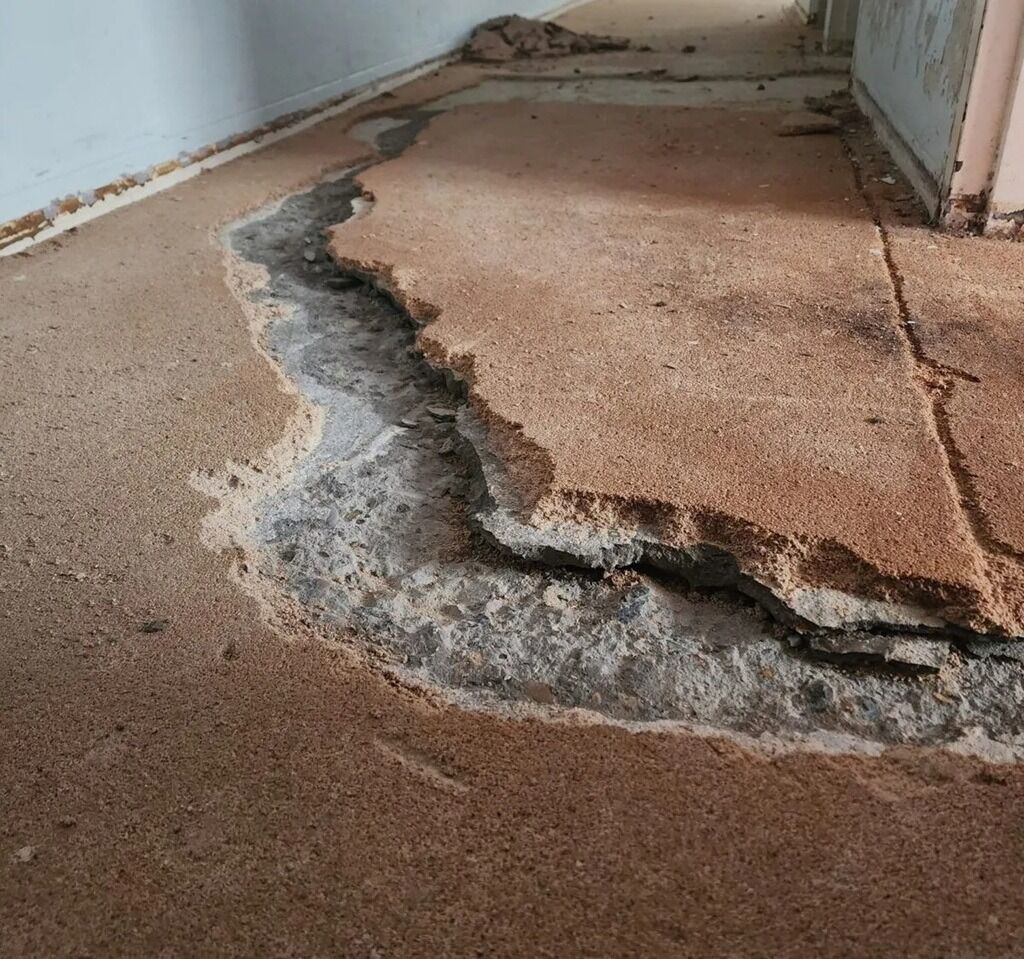
As the steel enlarges, internal pressure builds and forces the surrounding concrete to crack, delaminate and eventually break apart. This process causes visible spalling, rust staining, swelling, surface cracking and in severe cases, structural instability. The condition becomes progressively worse the longer it is left untreated, as corrosion continues spreading deeper into adjacent sections of concrete.
Concrete cancer is also commonly referred to as:
– Concrete spalling
– Concrete corrosion
– Concrete breakaway
– Reinforced concrete deterioration
Although many of these terms are used interchangeably, concrete cancer specifically describes the internal corrosion process that actively spreads over time. Concrete spalling is actually a visible symptom of the underlying corrosion rather than the primary cause. Understanding this distinction is essential for correct diagnosis and professional repair—particularly in coastal areas and older buildings where moisture exposure is frequent.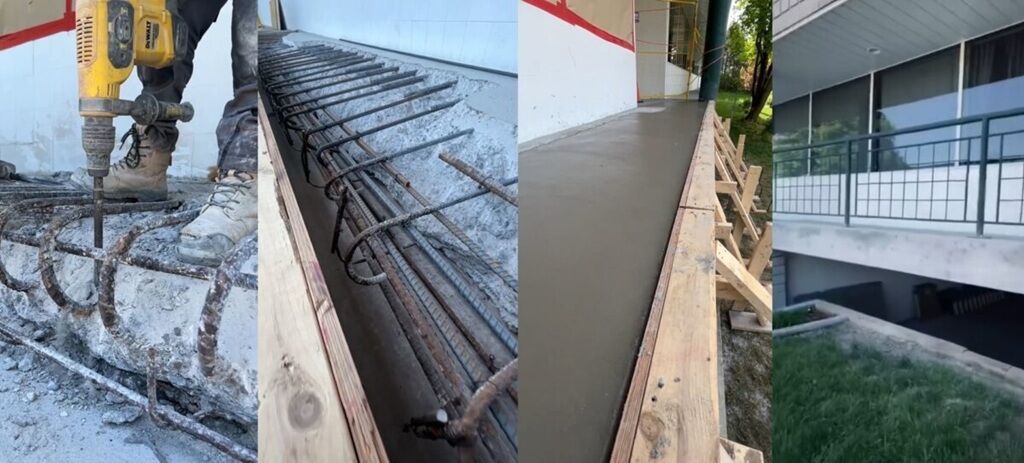
What Causes Concrete Cancer?
Concrete is designed to protect the reinforcing steel located inside it, however certain conditions compromise the concrete surface and allow moisture or chlorides to penetrate the slab. Once water reaches the steel, corrosion begins and concrete cancer develops. The process then accelerates as cracks expand, exposing more reinforcement and allowing additional moisture to enter.
Concrete cancer typically begins due to one or more of the factors below:
POOR OR FAILED WATERPROOFING:
Incorrect, outdated or missing waterproofing systems allow moisture to enter structural concrete through the following common areas:
– Rooftops
– Balconies
– Planter boxes
– Retaining walls
– Bathrooms & Wet Zones
– Podiums and rooftop terraces
Once moisture passes the initial concrete cover and reaches reinforcing steel, the corrosion cycle begins and progressively worsens over time.
SALT CONTAMINATION:
Salt accelerates steel corrosion dramatically. This is a major issue across coastal Sydney suburbs, where airborne sea salt, ocean spray and constant coastal humidity continually impact exposed concrete structures. Even minor salt deposits can significantly speed up the deterioration process.
INADEQUATE CONCRETE COVER:
In some buildings, reinforcing steel was installed too close to the surface. When this occurs, minor cracking or surface wear is enough to allow moisture to reach the steel prematurely. This dramatically reduces the lifespan of the structure and increases early spalling risk.
CONSTRUCTION DEFECTS AND POOR WORKMANSHIP:
Low-quality construction materials, incorrect reinforcement installation and poor structural detailing make concrete more vulnerable to cracking and water ingress. These issues are commonly found in older buildings and earlier construction eras.
BUILDING AGE:
Older buildings—particularly those built before modern waterproofing standards—become increasingly vulnerable over time. Concrete naturally breaks down, cracks and absorbs moisture as it ages, especially in high-exposure environments such as balconies, external walls and coastal apartments around Sydney.
MOVEMENT AND STRUCTURAL FLEXING:
Buildings naturally move due to temperature changes, wind, and load variations. Over time, this movement can open microscopic cracks that allow moisture to enter, particularly in coastal high-rise apartments and exposed balconies.
FAILED EXPANSION JOINTS:
Expansion joints are designed to absorb movement and prevent cracking. When they deteriorate or are not maintained, moisture can bypass the joint and reach reinforcing steel, dramatically accelerating corrosion.
POOR DRAINAGE AND WATER PONDING:
Flat balconies, roofs or planter boxes that do not drain properly allow standing water to continually soak the concrete surface. Persistent ponding increases moisture penetration and speeds up internal corrosion and concrete spalling.
CLIMATE AND COASTAL WEATHER EXPOSURE:
Sydney’s coastal climate, ocean winds, marine humidity and salt-rich air create ideal conditions for steel corrosion. These environmental factors significantly increase the risk of concrete cancer, especially in buildings close to the coastline or facing the ocean.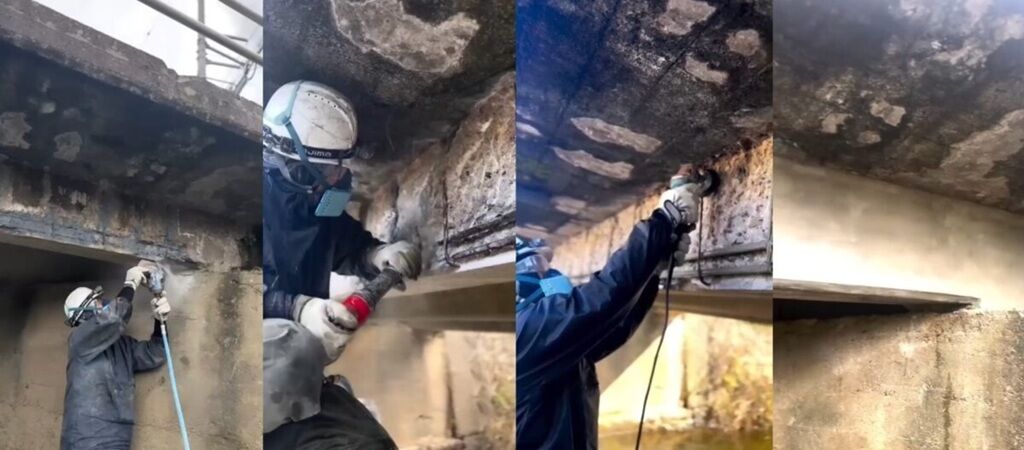
Is Concrete Cancer Dangerous?
Yes, Concrete cancer is considered a serious structural threat because once the reinforcing steel inside the slab begins to corrode, the steel expands and forces the surrounding concrete to crack and fracture internally. As corrosion spreads, the structural strength of the concrete decreases significantly, putting the affected section—and sometimes the entire building—at risk. If ignored, the damage does not slow down or stabilise on its own. It progressively worsens over time.
If left untreated, concrete cancer can lead to:
– Unsafe or unstable balconies
– Significant structural instability
– Weak load-bearing columns or beams
– Falling concrete or spalling fragments
– Potential building evacuation or closure
– Safety risks to residents and pedestrians
– Major reconstruction or remediation works
It’s important to understand that concrete cancer does not “heal” or stop naturally. Corrosion continues to spread internally until the steel and surrounding concrete are repaired professionally. Early intervention is essential to avoid major structural damage and extremely costly remediation works—particularly in older buildings and coastal suburbs throughout Sydney.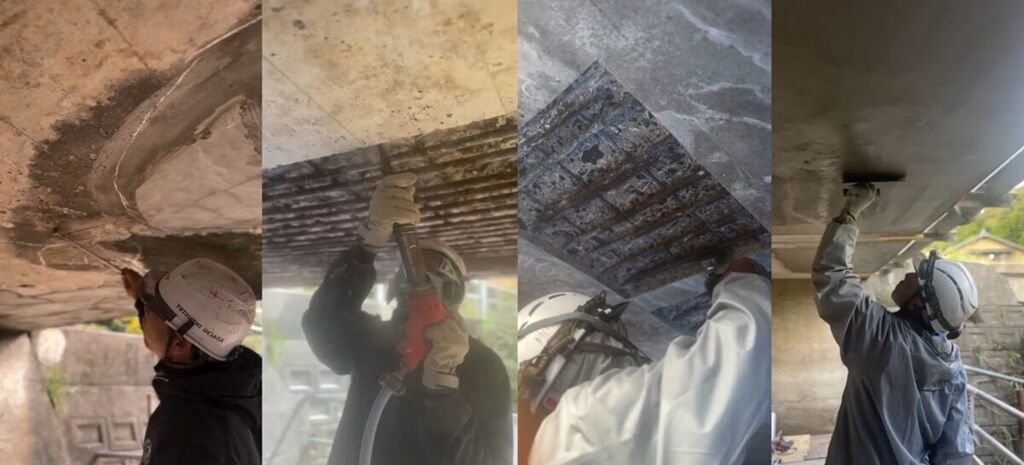
Warning Signs Of Concrete Cancer
Identifying concrete cancer early is critical because timely repairs can prevent severe structural deterioration and avoid extremely costly remediation work later. Many early indicators are easy to overlook, especially when the damage begins internally long before visible symptoms appear. However, recognising the warning signs early allows homeowners and strata managers to intervene before corrosion spreads deeper into surrounding beams, slabs or balcony structures.
Common symptoms of concrete cancer include:
– Flaking or spalling concrete
– Uneven, lifted or cracked surfaces
– White salt deposits (efflorescence)
– Exposed or rusting reinforcing rebar
– Rust bleeding through paint or concrete
– Hollow or drummy sounds when tapped
– Rust-coloured stains, streaks or discolouration
– Leaks around balconies, roofs or concrete areas
– Concrete that appears swollen, lifted or “bubbled”
You may also notice paint bubbling, render lifting, or ceramic tiles detaching on balconies and wet areas. These symptoms often indicate trapped moisture or failed waterproofing, which may already be affecting the structural concrete underneath—especially in coastal suburbs where moisture and salt exposure accelerate corrosion.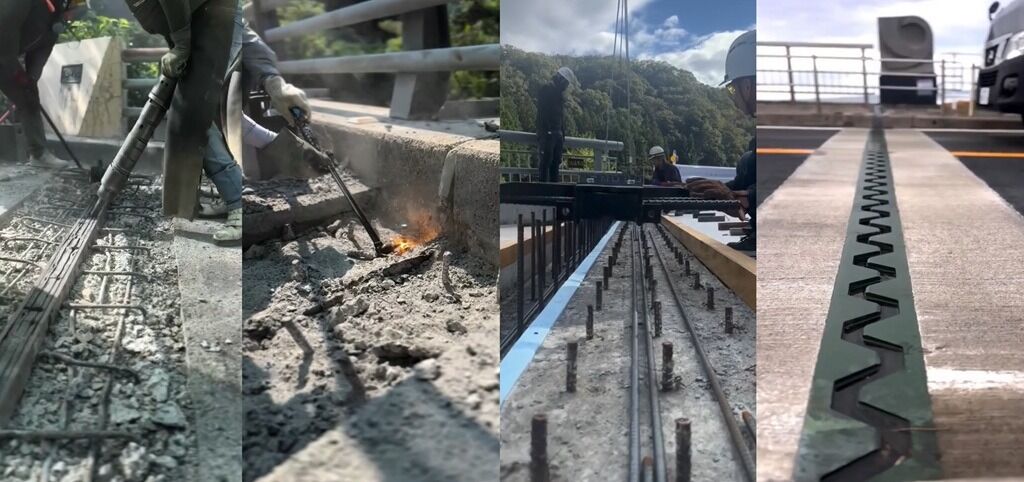
How Fast Does Concrete Cancer Spread?
Concrete cancer can spread surprisingly quickly once the reinforcing steel (rebar) begins corroding inside the slab. The corrosion process causes the steel to expand, which increases internal pressure and forces the surrounding concrete to crack from the inside out. As the concrete structure continues to open up, moisture enters more freely, accelerating the cycle of damage even further.
In many cases, early concrete cancer symptoms may appear slowly at first—such as faint rust stains or hairline cracking—but once oxidation is underway, deterioration can escalate dramatically. What begins as a cosmetic issue can progress to significant concrete spalling, concrete delamination, and severe structural weakening in a relatively short period of time.
Moisture exposure, salt air, and coastal weather conditions all accelerate expansion of the steel reinforcement, making concrete cancer particularly common and fast-spreading across Sydney, coastal suburbs, and high-rise apartment buildings near the ocean.
Homeowners and strata managers are often shocked by how rapidly minor cracking can develop into dangerous structural instability. In some properties, noticeable progression can occur over a matter of months rather than years—especially where waterproofing has failed or where steel reinforcement is already exposed to moisture.
If you suspect corrosion, rust spots, cracking concrete or flaking surfaces, immediate professional inspection is essential because the longer concrete cancer is left untreated, the faster and more expensive repairs become.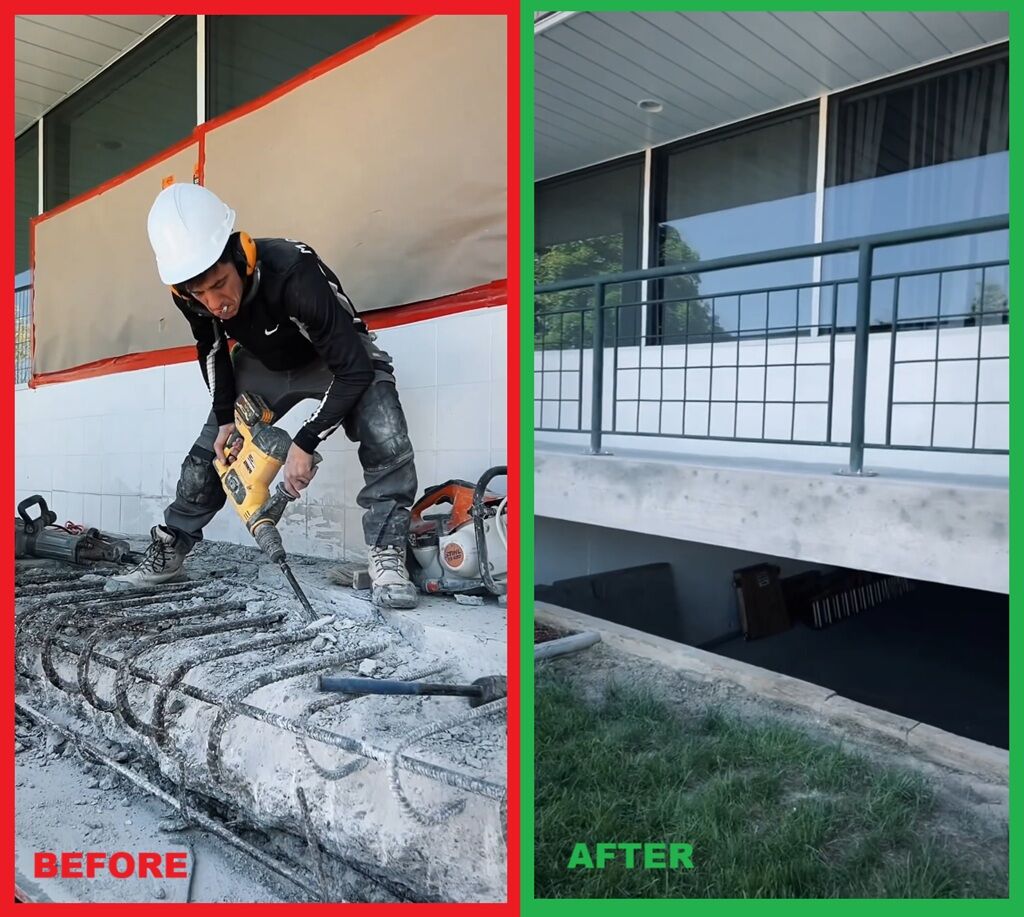
Concrete Cancer vs Concrete Spalling — What’s The Difference?
Concrete cancer and concrete spalling are closely linked terms, but they are NOT the same thing. Many homeowners, strata managers, and even real estate agents mistakenly assume these phrases describe the same issue—however, understanding the difference is crucial, because one refers to the visible defect, while the other refers to the underlying structural problem that continues spreading inside the concrete.
CONCRETE CANCER
Concrete cancer occurs when moisture penetrates a concrete surface and begins corroding the internal steel reinforcement (also known as rebar). As the steel rusts, it expands dramatically—up to four times its original thickness—placing immense pressure inside the concrete. This internal expansion causes the concrete around the steel to crack, break apart, and weaken structurally. Concrete cancer is an ongoing process that continues spreading until treated professionally. It is a structural deterioration issue, not a surface cosmetic defect.
CONCRETE SPALLING
Concrete spalling refers to the external, visible effects caused by concrete cancer. This includes flaking concrete, surface cracking, exposed rusting rebar, and concrete falling or crumbling away. When you see broken concrete on the surface, bubbling paint, or rust staining, you are seeing the symptom, not the cause. Spalling itself does not cause corrosion—it simply reveals that internal deterioration is already active behind the surface.
WHY THE DIFFERENCE MATTERS
If you only repair spalling by filling cracks or patching concrete, the internal corrosion continues spreading beneath the surface, eventually breaking through again. This is why cosmetic surface repairs fail within months—they treat the visible symptom, not the internal cancer. Proper concrete cancer remediation focuses on stopping the corrosion inside the concrete, not simply covering up the damage outside.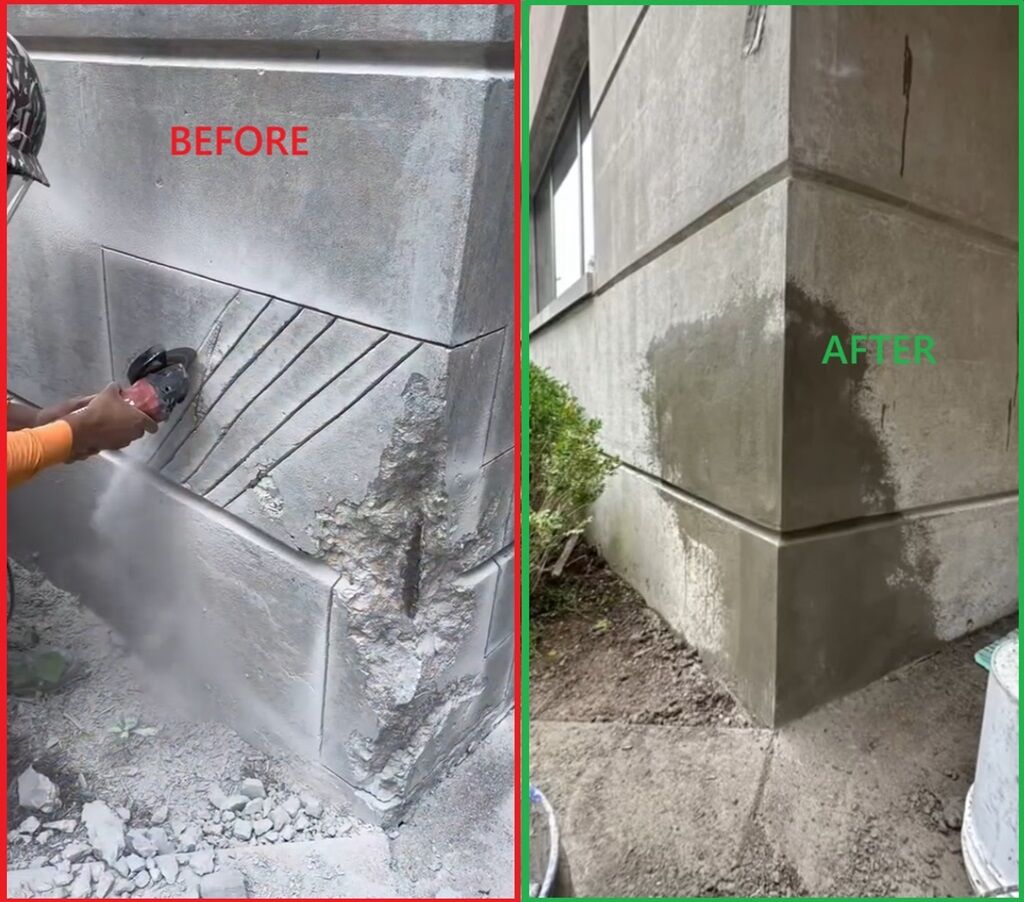
Why Concrete Cancer Is Common In Sydney
Concrete cancer is extremely common throughout Sydney and surrounding coastal suburbs due to a unique combination of environmental and structural factors. The city’s waterfront properties are constantly exposed to salt-rich marine air, high humidity and coastal winds, which accelerate corrosion of the reinforcing steel inside concrete structures. Over time, this corrosion forces concrete to crack, expand and eventually spall, leading to serious structural deterioration.
Common triggers and contributing conditions include:
– Extreme storms and weather-driven erosion
– Balcony and rooftop waterproofing failures
– Coastal exposure and marine environments
– Older strata buildings with ageing construction
– Consistently high humidity throughout the year
– Salt-rich air that accelerates reinforcing steel corrosion
– Ageing waterfront apartments and high-rise developments
Balconies, rooftops, external walls and coastal apartment buildings are especially vulnerable because they are constantly exposed to moisture, salt and coastal weather conditions. As a result, Sydney experiences higher rates of concrete spalling, cracking and concrete cancer damage compared to many other locations across Australia.
Common Areas Where Concrete Cancer Develops
Concrete cancer generally develops in areas where moisture can repeatedly penetrate the structure and reach the reinforcing steel within the slab. Anywhere water sits, pools, leaks, or slowly absorbs into the concrete, there’s a high risk of corrosion beginning beneath the surface. Once corrosion starts, the concrete will begin to crack, expand, and eventually spall.
Concrete cancer commonly forms in:
– Planter boxes and podiums
– Rooftops and roof-top terraces
– Seawalls and marine structures
– Structural columns, piers and beams
– Outdoor walkways and access paths
– Lift shafts, pits and machinery rooms
– Balconies and exposed outdoor slabs
– Internal bathroom slabs and wet areas
– Retaining walls exposed to groundwater
– Edge beams that are exposed to weather
– Basement carparks and underground areas
– Swimming pool surrounds and leisure areas

Does Concrete Cancer Affect Property Value?
Absolutely, Concrete cancer is treated as a serious structural defect in Sydney and throughout Australia, and it can significantly impact both current and future property value. Because concrete cancer can spread quickly and compromise structural integrity, buyers, lenders, and insurers treat the issue as a major red flag. Even early signs of cracking or concrete spalling are enough to trigger concern during building inspections.
Depending on the severity, concrete cancer may:
– Lower the achievable sale price
– Deter potential buyers during negotiations
– Prevent bank financing or mortgage approval
– Reduce long-term investment and rental value
– Require mandatory building repairs or strata action
– Increase insurance requirements or compliance obligations
For strata properties and apartment buildings, serious concrete cancer often leads to costly special levies, increased maintenance budgets and long-term capital works planning. Buyers will frequently walk away from properties showing early signs of rust staining, spalling concrete or failed waterproofing systems.
Because of these factors, concrete cancer doesn’t just create cosmetic damage—it can directly reduce financial value, market appeal and future resale potential, especially in competitive areas such as coastal suburbs and high-rise developments across Sydney.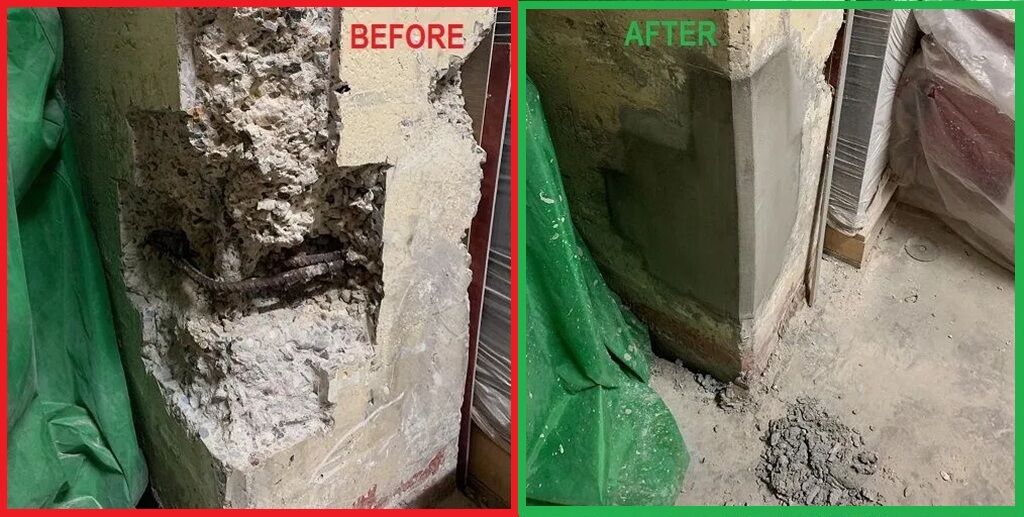
Can You Repair Concrete Cancer Yourself?
No, Concrete cancer repair is highly specialised structural work and should never be treated as a DIY project. Although you might be able to temporarily patch or seal cracks on the surface, this does not address the root cause—corrosion of the reinforcing steel inside the concrete slab. Once corrosion has begun, the steel expands, forces the concrete apart and continues spreading deeper into the structure.
Temporary cosmetic fixes may actually make the situation worse by concealing the visible warning signs while allowing hidden corrosion to continue unchecked beneath the surface. DIY repairs also lack the correct structural materials, engineering reinforcement, rust inhibitors, and waterproofing systems required to stop the corrosion cycle permanently.
Professional concrete cancer remediation requires specialist knowledge, proper removal of deteriorated material, structural reinforcement, and high-performance waterproofing membranes to prevent further deterioration—especially in exposed areas such as balconies or coastal buildings throughout Sydney.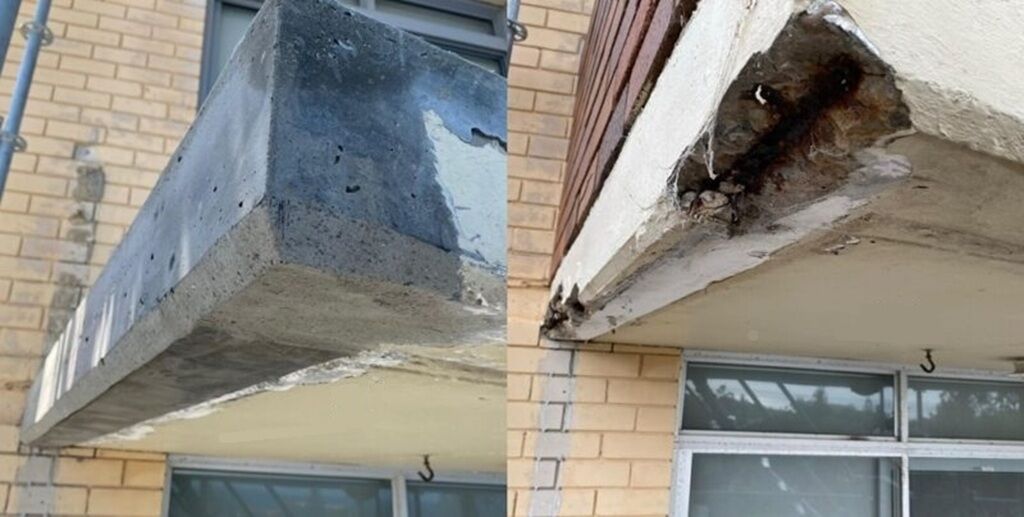
Professional Concrete Cancer Repair Process
Professional concrete cancer remediation follows a structured process designed to stop steel corrosion, restore the damaged concrete and prevent the problem from returning. The aim is not just to patch the surface, but to remove all contaminated concrete and treat the reinforcing steel so the corrosion cycle is fully eliminated.
Below is the typical step-by-step repair procedure used by licensed concrete cancer specialists across Sydney:
IDENTIFY AFFECTED AREAS:
A thorough investigation is performed using moisture testing, thermal imaging, hammer testing and visual assessment. This determines exactly where reinforcing steel has corroded, how far the deterioration has spread and whether structural elements are affected. Engineers may conduct further analysis in larger strata buildings.
BREAK AWAY DAMAGED CONCRETE:
All loose, contaminated and deteriorated concrete is removed until clean, healthy concrete is exposed. This step creates access for repairing the reinforcing steel and ensures the new repair bonds properly.
TREAT AND CLEAN REINFORCING STEEL:
The steel reinforcement is cleaned of rust using specialised tools, then treated with corrosion-inhibiting compounds. Severely damaged steel may be replaced or structurally upgraded depending on the engineer’s recommendation and the severity of deterioration.
APPLY CORROSION PROTECTION PRODUCTS:
Once the steel is treated, specialised corrosion-resistant coatings and primers are applied. These products isolate the reinforcing steel from moisture and protect against future oxidation or salt-induced corrosion, especially in coastal environments.
REBUILD CONCRETE:
High-strength structural repair mortars and engineered repair compounds are used to reconstruct the concrete section. This process restores strength, improves durability and prepares the surface for long-term waterproofing.
APPLY WATERPROOFING MEMBRANES:
A high-quality waterproofing membrane is installed to prevent moisture penetrating the concrete again. This step is critical for long-term protection, especially on balconies, rooftops, planter boxes and coastal buildings throughout Sydney where water exposure is constant.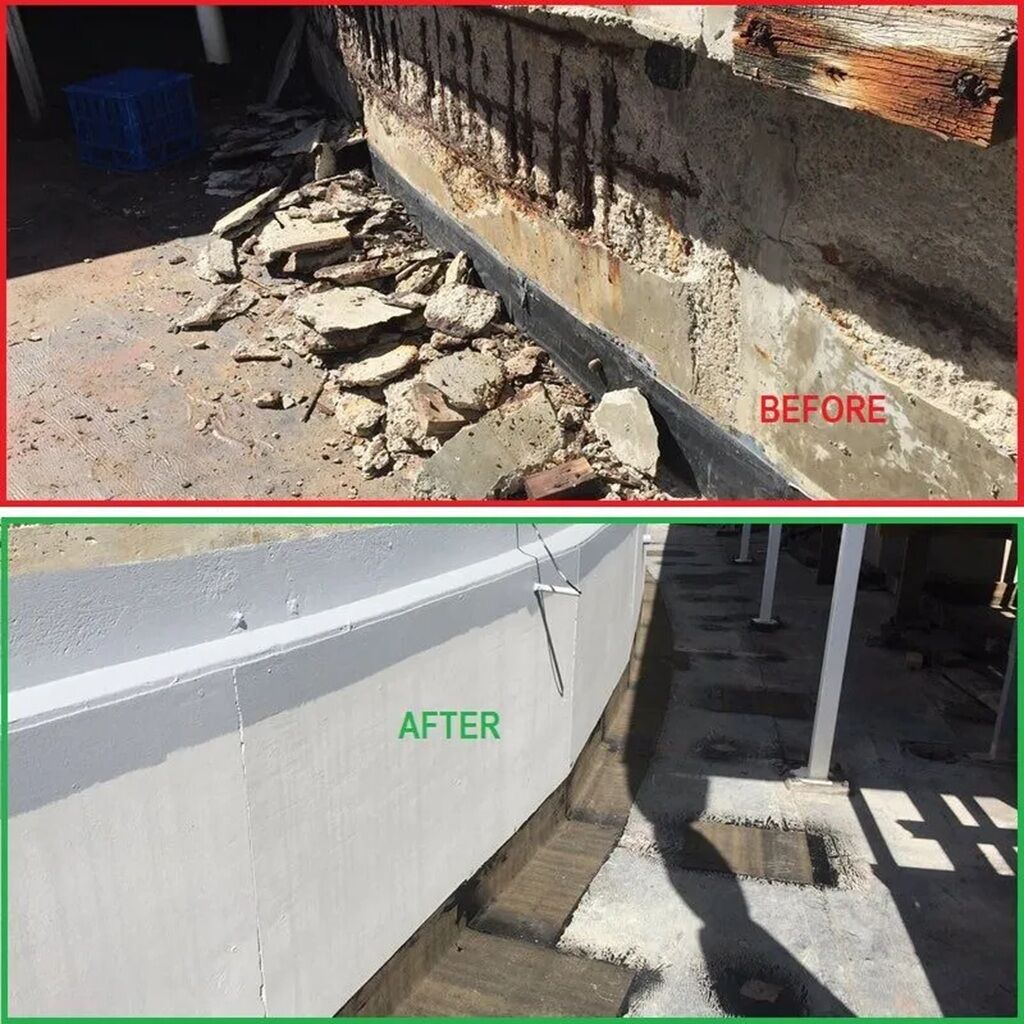
How Long Do Concrete Cancer Repairs Take?
Concrete cancer repair timelines vary depending on the severity of damage, accessibility of the site, and the level of structural reinforcement required. Smaller residential repairs may be completed relatively quickly.
While extensive structural treatment in apartment buildings or balconies can take significantly longer. Because concrete cancer often involves steel replacement, concrete patching, waterproofing, and curing time, each stage requires proper sequencing to ensure a long-term result.
In most cases, residential concrete cancer repairs range from 2 days to several weeks or more, depending on:
– Size and depth of the affected concrete area
– Whether multiple balconies or units are involved
– Balcony access, scaffolding or rope-access requirements
– Weather conditions impacting waterproofing and curing time
– Structural complexity of beams, columns, or load-bearing slabs
– Waterproofing membrane application and drying time between coats
Major remedial works in strata buildings, commercial properties or coastal apartment blocks may take several weeks to several months, particularly where structural beams, edge beams, façade panels, or multiple levels are affected. Strata projects can also be delayed by engineering assessments, strata approvals, access restrictions, and weather-related curing delays.
Early detection and prompt remediation can dramatically shorten repair timeframes, minimise disruption, and prevent the problem from spreading into surrounding concrete elements.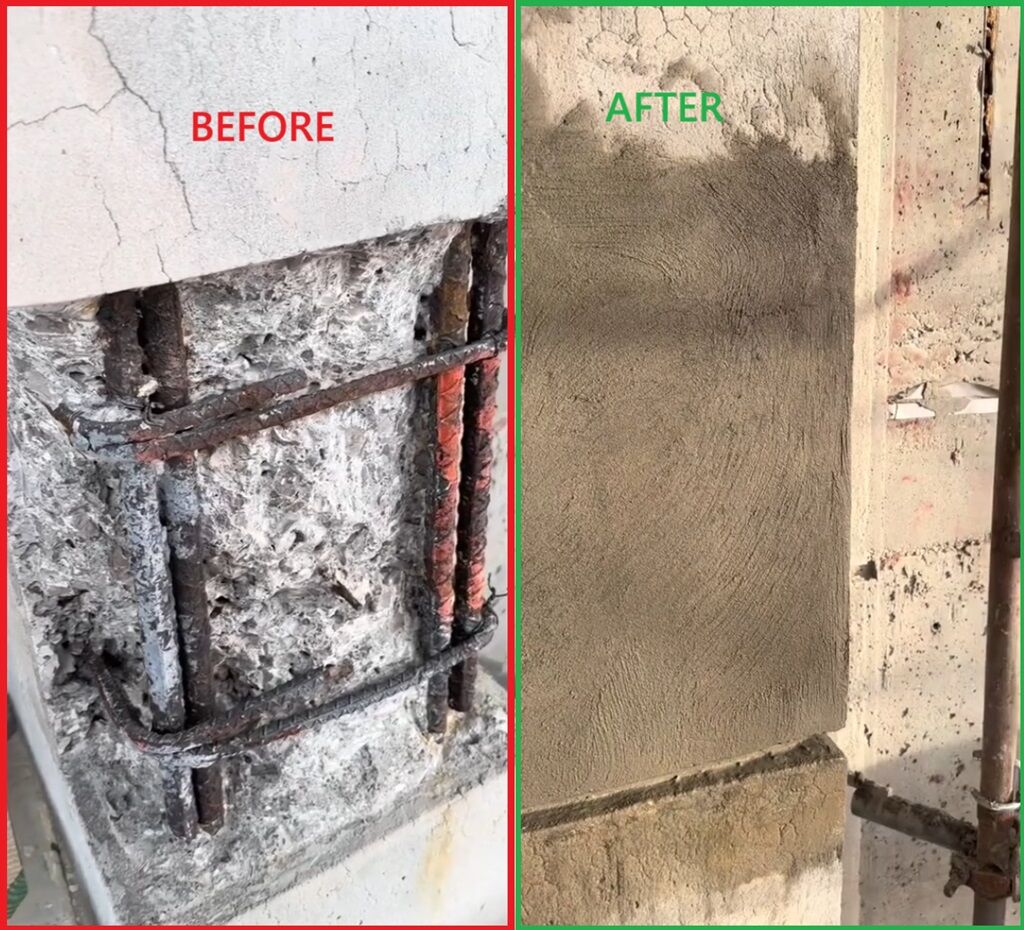
How Much Does Concrete Cancer Repair Cost?
Concrete cancer repair costs vary significantly depending on the age of the building, the severity of the concrete deterioration, and how easily technicians can access the affected area. Pricing also changes depending on whether the issue is isolated to a small balcony corner or whether corrosion has spread through beams, waterproofing systems, and structural reinforcement. Because each project must be assessed on a case-by-case basis, accurate pricing requires an onsite inspection and professional evaluation.
Common cost factors include:
– Level of structural or load-bearing damage
– Access limitations and height requirements
– Overall size and area of the concrete repair
– Extent and depth of reinforcing steel corrosion
– Length and complexity of the waterproofing area
– Amount of moisture penetration and water ingress
– Type of coating, treatment or membrane system required
– Balcony level and whether scaffolding or rope workers are needed
Smaller concrete cancer repairs can start from a few thousand dollars, while moderate structural corrosion may cost significantly more depending on size and severity. In severe cases—especially in coastal suburbs and multi-storey strata complexes—concrete cancer repairs can escalate into the tens or even hundreds of thousands of dollars once structural remediation, waterproofing, and access systems are factored into the project.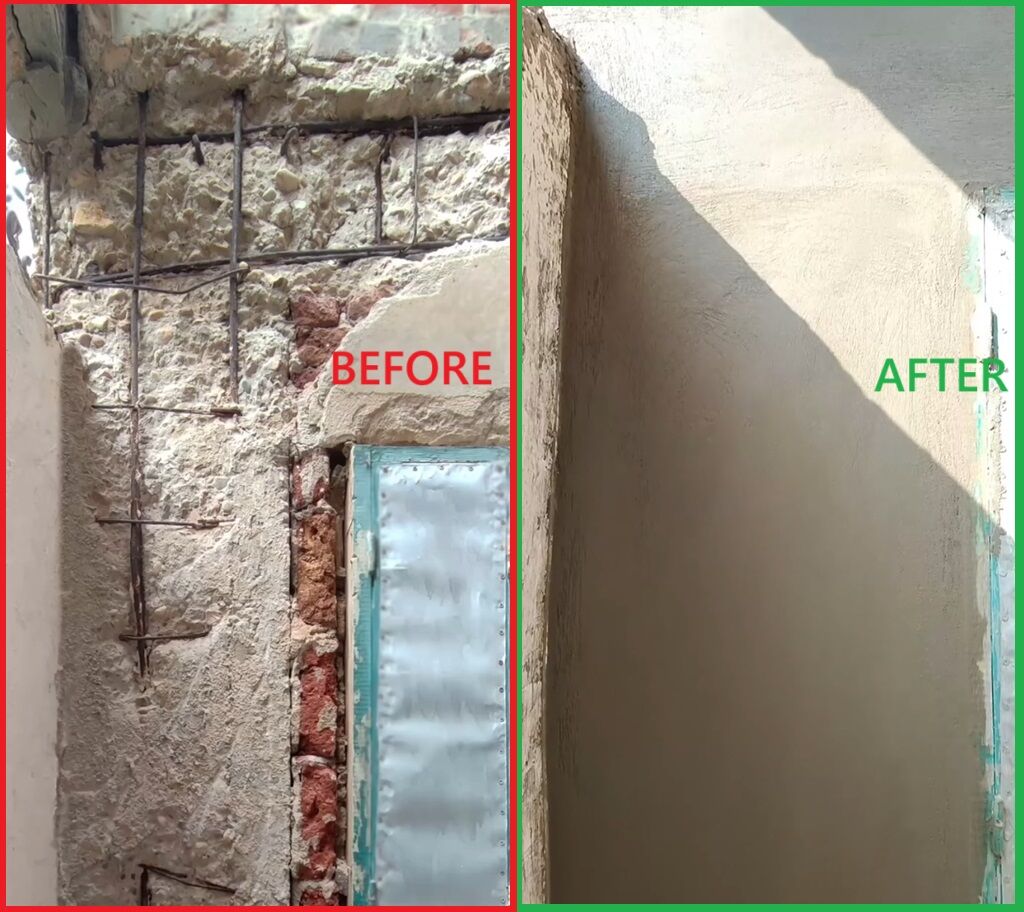
Will Insurance Cover Concrete Cancer Repairs?
Insurance coverage for concrete cancer varies greatly depending on the cause of deterioration and the specific clauses within your property policy. In most situations, insurers view concrete cancer as a gradual defect caused by ageing, moisture penetration or building construction issues, which means repairs are not typically covered. Ongoing corrosion, failed waterproofing systems and long-term deterioration are usually classified as maintenance-related issues rather than insurable damage.
However, some insurance policies may provide limited cover if the concrete damage results from a sudden structural failure, such as storm-related impact, severe water ingress caused by a weather event, or accidental building damage. These cases are assessed individually and usually require engineering reports and supporting evidence.
Because insurance wording differs across providers and strata policies, it’s essential to carefully review the terms of your own policy and speak with the insurer directly. Obtaining a professional condition report or inspection from a licensed building inspector or structural engineer can help clarify coverage options and support any insurance claims if applicable.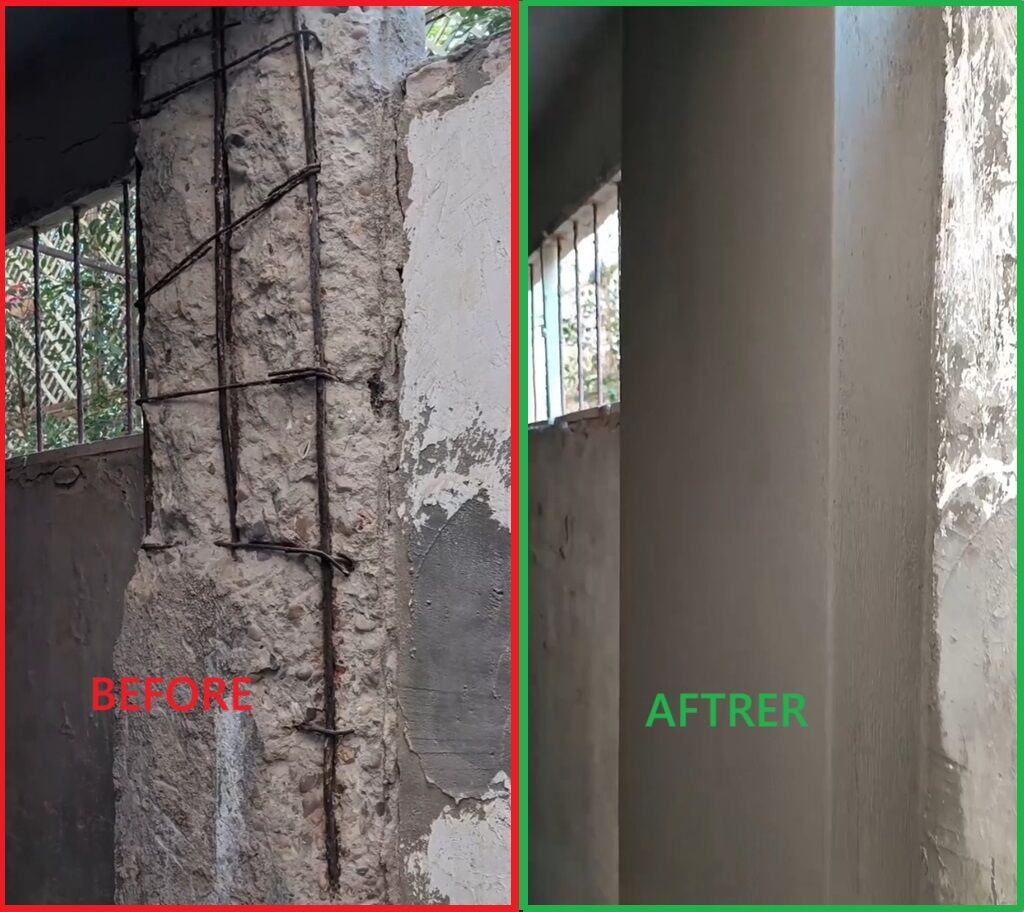
Preventing Concrete Cancer
Although concrete cancer can become a major structural issue if ignored, many cases can be significantly reduced—or completely avoided—through correct preventative maintenance. Prevention focuses on keeping moisture out of the concrete slab and protecting reinforcing steel from corrosion. By addressing waterproofing, drainage and crack management early, property owners can dramatically reduce long-term repair costs and structural risks.
Effective prevention strategies include:
– Re-sealing exposed concrete every few years
– Repairing active leaks as soon as they are detected
– Using breathable, high-quality waterproof coatings
– Ensuring proper drainage and effective fall to waste
– Maintaining and replacing deteriorating expansion joints
– Regularly monitoring visible surface cracks or rust staining
– Professionally waterproofing balconies, rooftops and wet areas
– Booking periodic professional inspections and condition reports
For long-term protection, waterproofing and regular professional inspections remain the most effective preventative measures. By maintaining membranes, eliminating leaks and protecting exposed concrete, homeowners and strata managers can slow or prevent concrete cancer from forming in the first place—especially in coastal environments and older Sydney buildings where corrosion risk is significantly higher.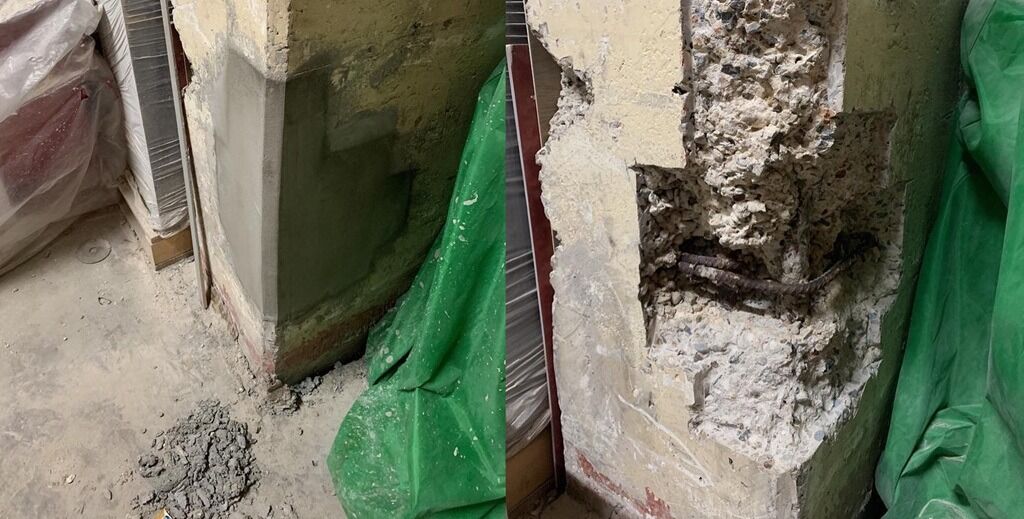
Thinking About Buying A Property With Concrete Cancer?
Many buyers immediately walk away the moment concrete cancer is mentioned during a building inspection, but this can sometimes be a costly mistake. Concrete cancer does not automatically mean a building is unsafe or structurally compromised—it simply indicates that deterioration has begun and requires professional assessment. In many cases, the affected area may be quite small and can be repaired without excessive cost, particularly if identified early.
Before purchasing a property with known or suspected concrete cancer, it’s essential to organise a professional evaluation. Recommended steps include arranging:
– A detailed concrete cancer inspection
– A corrosion and reinforcement assessment
– A moisture and waterproofing diagnosis
– A structural engineer’s report
– A realistic repair cost estimation
These inspections provide clarity on whether the issue is superficial or structural and help determine whether the property requires immediate remediation or can be monitored over time. More importantly, accurate diagnosis and repair cost forecasting allow you to negotiate a fair market price and avoid unexpected expenses after settlement. Many buyers successfully purchase homes and apartments with minor concrete cancer once they understand the true scope of repairs and long-term maintenance requirements.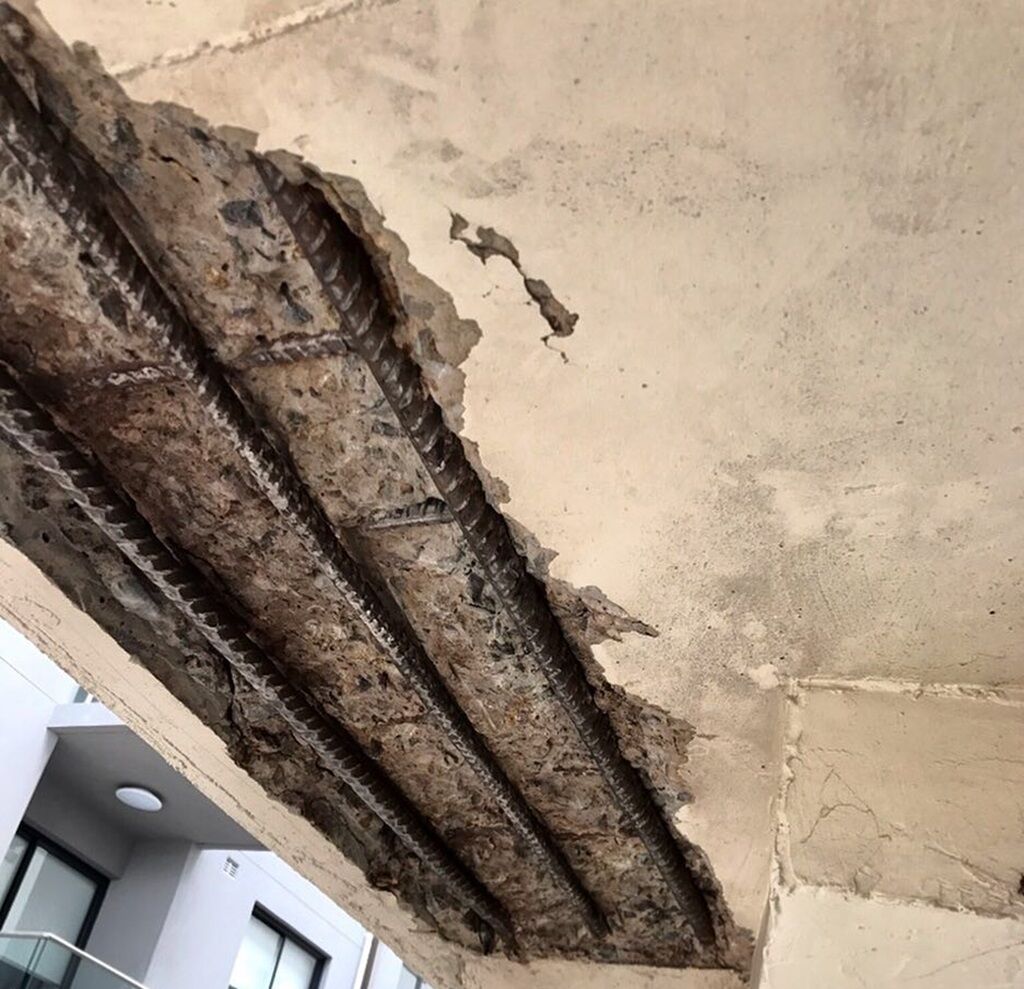
When To Call A Concrete Cancer Specialist
If you notice any early indicators of concrete cancer or concrete spalling around your home, balcony, or strata building, it’s essential to contact a specialist as soon as possible. Early inspection prevents the problem from spreading into surrounding concrete and often saves thousands of dollars in long-term repair work. Even minor cracking, rust staining or bubbling paint may indicate that moisture has already reached the reinforcing steel beneath the surface.
Contact a professional immediately if you notice any of the following warning signs:
– Bubbling paint or surface blistering
– White salt deposits or efflorescence
– Rusting or exposed reinforcing steel
– Falling concrete fragments or debris
– Flaking, cracking or spalling concrete
– Visible swelling or concrete movement
– Loose or drummy tiles on balconies or walkways
– Rust stains appearing through the concrete surface
– Water leaks through balconies, ceilings or internal walls
Taking rapid action drastically reduces repair costs, prevents further structural damage and minimises the risk of corrosion spreading through surrounding beams, slabs and balcony structures. Early diagnosis is the key to protecting your property, especially in Sydney’s coastal suburbs where concrete cancer tends to progress quickly due to salt-rich moisture and severe weather exposure.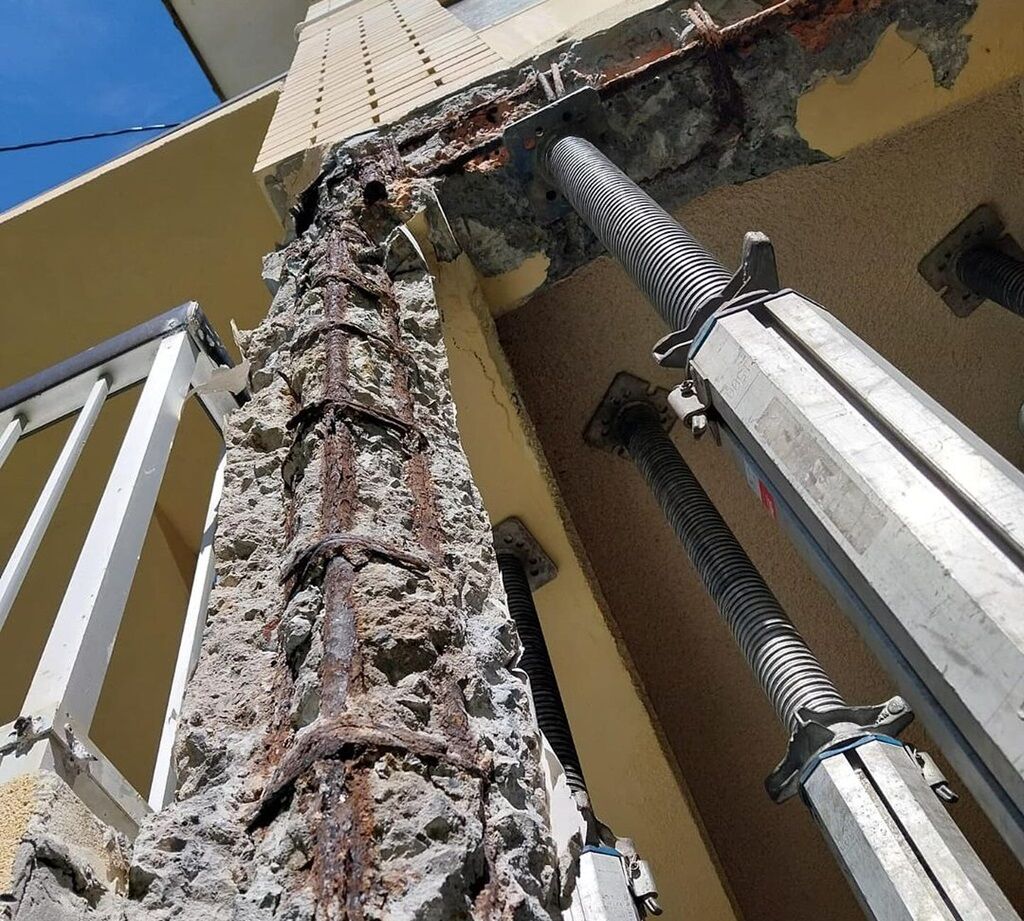
Final Thoughts
Concrete cancer is far more serious than most homeowners realise. It is an active corrosion process that grows internally, spreads rapidly, and eventually threatens structural safety. The earlier the issue is detected, the cheaper and more effective repairs will be.
Professional treatment not only restores structural integrity—it prevents further corrosion, strengthens the building long-term, and preserves property value.

FREE QUOTE CALL OR TEXT
0424 408 330
Trusted by Builders, Strata Managers & Property Owners*
No Call Out Fee Conditions apply*
GET YOUR JOB BOOKED IN AND FINISHED TODAY !!
"*" indicates required fields
"*" indicates required fields
"*" indicates required fields
OFFICE LINE
WORKING HOURS