FREE QUOTE CALL OR TEXT
0424 408 330
Trusted by Builders, Strata Managers & Property Owners*
No Call Out Fee Conditions apply*
GET YOUR JOB BOOKED IN AND FINISHED TODAY !!
"*" indicates required fields
Frequently Asked Questions
How Much Does It Cost To Repair Concrete Cancer?
The cost for Concrete Cancer Repairs varies widely depending on the scale of deterioration and the complexity of the job. Small, localised repairs may only cost a few thousand dollars, while severe or widespread structural damage can exceed $50,000+.
As a general guide, many industry professionals estimate pricing at around $100 per litre of repair material, though this can change based on site conditions and labour requirements.
A number of key factors influence the overall price. Below is a clearer, more detailed breakdown:
Minor Concrete Cancer Repairs:
For small areas where corrosion and spalling are limited, repairs may cost from a few thousand dollars, depending on depth, access, and preparation requirements.
Major Structural Repairs:
Large, complex projects—especially those involving beams, columns, suspended slabs, or heavily damaged balconies—can reach tens of thousands of dollars, particularly when structural reinforcement is required.
What Affects The Cost Of Concrete Cancer Repairs:
Severity and Size of the Damage:
The larger and deeper the concrete cancer, the more labour, materials, and time are required. Extensive corrosion significantly increases project costs.
Structural Complexity:
Repairs involving structural elements—such as beams, lintels, columns, or multi-level balconies—demand additional engineering considerations, which raises the price.
Access and Site Conditions:
Poor access (e.g., high-rise balconies, confined spaces, or difficult elevations) increases labour costs. Scaffolding alone can exceed $15,000 per elevation, depending on height and required safety systems.
Additional Restoration Work:
Extra services such as waterproofing, crack sealing, protective membranes, or anti-carbonation coatings will increase the total project cost but are often necessary for long-term durability.
Fixing the Underlying Cause:
Concrete cancer will return unless the root issue—typically water ingress or poor waterproofing—is addressed. Correcting the source prevents repeat repairs and avoids paying for the same issue twice.
Free Concrete Cancer Inspections Available Across Australia
At Concrete Cancer Repairs Sydney, we offer FREE no-obligation site inspections to assess potential concrete cancer in properties throughout Australia.
Our experienced team conducts detailed assessments to locate the source of the issue that’s leading to concrete damage. Identifying the root cause early is essential to preventing the problem from spreading and causing further structural harm.
Once we’ve determined what’s behind the deterioration, we develop a tailored repair plan that delivers reliable, long-term results.
Think you might have concrete cancer? CONTACT US TODAY to arrange a free onsite inspection. We’ll provide you with a transparent, detailed quote and outline the most effective methods to restore and protect your property.
How To Recognise Concrete Cancer
Concrete cancer develops when the steel reinforcement inside a concrete structure begins to rust, causing visible damage over time. Identifying these warning signs early can help prevent major structural problems and costly repairs.
Cracks and Deteriorating Surfaces:
Look out for cracks or crumbling sections of concrete, particularly near edges or joints. These often indicate that the steel beneath is corroding and affecting the surrounding concrete.
Rust Stains:
Reddish-brown or orange streaks on the concrete surface are usually a sign that the internal steel is rusting and expanding, pushing the rust through to the exterior.
Peeling, Bubbling, or Flaking Concrete:
Areas where the paint or concrete surface is lifting, peeling, or bubbling can be caused by the pressure of rusted steel expanding beneath the surface.
White, Powdery Deposits:
A white, powdery substance on concrete, known as efflorescence, often forms as moisture escapes through the surface, signaling potential deterioration from rust or water intrusion.
Moisture Problems:
Persistent damp patches or leaks on balconies, ceilings, or walls made of concrete may indicate underlying steel corrosion contributing to concrete cancer.
Bulging or Warping:
In severe cases, the concrete may swell or warp as the rusted steel inside expands, leading to noticeable outward deformation of the structure.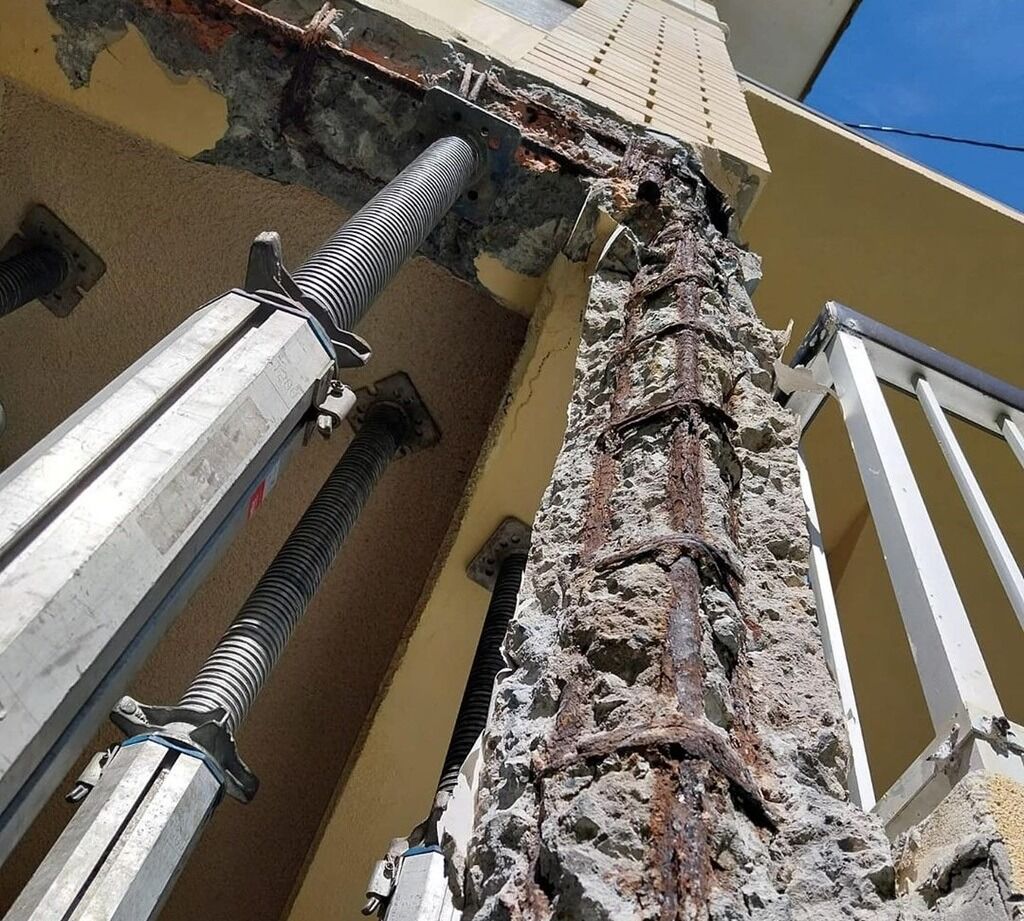
Thinking Of Buying A Property With Concrete Cancer? Here’s What You Need To Know
If you’re considering a property showing signs of concrete cancer, caution is essential. Properties affected by concrete spalling may appear cheaper initially, but the structural damage can lead to costly repairs and serious safety risks. Concrete cancer weakens the building’s integrity, and ignoring it can result in extensive renovation work down the line.
Before making any commitments, it’s critical to arrange a professional building inspection and consult a structural engineer. These experts can accurately assess the damage, provide reliable repair cost estimates, and help you decide whether the property is a viable investment.
By understanding the full extent of the issue upfront, you can avoid unexpected expenses and ensure the property is safe for future use. For anyone in Sydney facing concrete cancer concerns, timely concrete cancer repair is the key to protecting your investment and maintaining structural safety.
Understanding The Difference Between Concrete Cancer And Concrete Spalling?
Although the terms concrete cancer and concrete spalling are sometimes used interchangeably, they describe different types and stages of concrete deterioration. Knowing the distinction is essential for property owners to identify problems early and take the right repair measures.
Concrete Spalling – This refers to surface-level damage where the concrete begins to chip, flake, or break away. Spalling is often caused by environmental exposure, water penetration, or everyday wear and tear. It usually appears as rough, crumbling patches, small cracks, or exposed areas on the surface. While spalling can gradually weaken the concrete, it doesn’t always indicate that the steel reinforcement inside has been affected.
Concrete Cancer – This is a far more serious structural issue. It occurs when moisture penetrates the concrete and reaches the steel reinforcement (rebar). Once the steel starts rusting and expanding, it exerts pressure on the surrounding concrete, causing deep cracks, flaking, and bulging. Over time, this internal corrosion accelerates, leading to severe structural weakening and widespread damage. Signs of concrete cancer often include rust stains, significant surface cracking, and visibly warped or bulging concrete.
Understanding these differences allows property owners to take timely action, protecting both the safety and longevity of their building.
What Is Concrete Cancer?
Concrete cancer is a term used to describe the deterioration of concrete caused by the corrosion of the steel reinforcement within it. When steel reinforcement bars (known as rebar) inside the concrete begin to rust, they expand. This expansion causes the surrounding concrete to crack, weaken, and eventually break apart. The damage can spread rapidly if left untreated, which is why early detection and proper repair are so important.
Although concrete is known for its strength and durability, it isn’t immune to damage. Over time, environmental conditions and poor construction practices can lead to moisture seeping through cracks or porous concrete, reaching the steel reinforcement. When the steel rusts, it can increase in volume by up to four times its original size. This creates internal pressure within the concrete, leading to visible signs such as cracking, spalling (flaking), and rust stains.
Typical Timeframe For Concrete Cancer Repairs
For most residential and small commercial properties, concrete cancer repairs generally take 1 to 5 days. Larger or more complex projects—such as multi-storey buildings, basements, or waterfront structures—can extend over several weeks. Here’s a breakdown of expected repair timelines:
Minor Repairs: 1 – 2 days
Small areas of spalling or isolated cracks are usually straightforward to fix, especially when access is easy.
Moderate Repairs: 3 – 5 days
When multiple sections are affected—such as balconies, columns, or overhead slabs—repairs take longer due to surface preparation, curing times, and applying protective coatings.
Major Repairs: 1 – 4 weeks or more
Extensive damage affecting structural elements may require reinforcement replacement, waterproofing, and specialist coatings, which can significantly extend the timeline.
Key Factors That Affect Repair Duration
Several elements can influence how long a concrete cancer repair project takes:
Extent of Damage:
Deeper cracks, corroded rebar, or large areas of delaminated concrete increase the complexity and duration of repairs.
Accessibility:
Hard-to-reach spots, such as high balconies or confined spaces, may need scaffolding, lifts, or specialized equipment.
Weather Conditions:
Rain, high humidity, or extreme temperatures can slow drying and curing times, particularly for external repairs.
Repair Method Used:
Different techniques—like epoxy injection, patching, or full concrete replacement—require varying amounts of time to complete.
How Do You Determine If My Property Has Concrete Cancer?
We begin with a full site inspection, checking for signs such as cracking, rust stains, spalling, moisture ingress, bulging concrete, or exposed reinforcement. We also assess concrete cover, moisture levels, and underlying structural integrity.
If required, we may recommend non-destructive testing like cover-meter scans, ultrasound delamination detection, or resistivity testing. These diagnostics ensure we identify the exact cause and develop a repair plan that prevents recurrence rather than just patching the visible damage.
What Materials And Repair Methods Do You Use, And Why Are They Important?
We tailor every repair method to the structure’s condition, the extent of corrosion, and the surrounding environmental factors. This ensures your concrete is restored with the right system—not just a quick patch.
Our process typically includes removing all weakened or delaminated concrete, treating or replacing corroded reinforcing steel, applying advanced corrosion-control products, and rebuilding the area with high-strength structural repair mortars, epoxies, or polymer-modified compounds.
To complete the repair, we often apply protective coatings, sealers, or waterproof membranes designed to block moisture and prevent future deterioration. Using the correct materials and systems is essential—it stops recurring corrosion, enhances durability, and maximises the long-term performance and lifespan of the repaired structure.
Will The Repair Affect The Usable Area And How Long Will I Be Prevented From Accessing It?
Yes, depending on the extent of the repair, the area may need to be temporarily closed for safety and curing.
Small repairs may allow access after 24–48 hours, while large repairs involving reinforcement replacement or waterproofing may require a temporary closure of several days or weeks.
We always provide a clear schedule before work begins to minimise disruption.
Does Repairing Concrete Cancer Remove The Root Cause, Or Just Treat The Symptom?
A high-quality concrete cancer repair must do both — and this is where many cheap patch jobs fail. Simply filling cracks or re-rendering the surface might hide the visible damage temporarily, but the corrosion inside the concrete will continue to spread unless the underlying cause is properly addressed.
Our repair process focuses on eliminating the source of the problem, not just the appearance of it. We identify why the reinforcement began corroding in the first place — whether it’s failed waterproofing, inadequate concrete cover, trapped moisture, drainage issues, severe carbonation, or chloride/salt exposure.
Once identified, we treat the steel, rebuild the damaged area using structural-grade mortars, and apply protective systems to prevent future corrosion. By targeting both the symptoms and the root cause, the repair becomes long-lasting, structurally sound, and far less likely to fail again.
What Warranty Or Lifespan Can I Expect After The Repair?
The longevity of concrete cancer repairs depends heavily on the quality of preparation, the repair method, and the protective systems installed. When concrete cancer is repaired correctly — with proper steel treatment, structural repair mortars, and long-term moisture protection — the results can last for decades.
We offer a range of warranty periods depending on the products and systems applied, including 0, 2, 5, 7, 10 and sometimes even 20 – 30 year warranties.
– Low Range: 0-2 Years Warranties:
These warranties apply to basic patch repairs where loose concrete is removed and minor exposed steel is treated, but no long-term protective systems are added. Suitable for temporary fixes or low-risk areas, this option offers minimal durability, as underlying causes may remain.
– Mid Range: 5–7 Year Warranties:
Mid-range warranties cover standard concrete cancer repairs involving full concrete removal, steel treatment, and quality structural mortars. Basic protective systems—like penetrating sealers or anti-carbonation coatings—are typically included, providing solid performance for moderate exposure areas.
– High End: 10 Year Warranties:
A 10-year warranty applies to advanced repair systems using premium corrosion inhibitors, deeper removal, and high-performance mortars. These repairs include stronger protection such as reinforced membranes or specialised coatings, ideal for high-exposure environments.
– Exceptional Case: 20 – 30 Year Warranties:
The longest warranties apply to major structural remediation where extensive concrete removal, steel replacement or upgrades, and advanced membranes or anti-chloride barriers are installed. This tier suits coastal, commercial, or heavily exposed structures needing maximum long-term durability such as bridges.
These warranty options ensure you can choose the level of long-term protection that suits your building, exposure conditions, and budget. With proper ongoing maintenance, high-quality concrete cancer repairs can provide structural stability and protection for several decades.
Will My Insurance Cover Concrete Cancer Repairs?
Insurance Coverage Varies:
Most home and commercial insurance policies exclude concrete cancer caused by gradual deterioration, corrosion, or lack of maintenance. However, if the damage can be tied to an insurable event—such as sudden water ingress from a burst pipe, storm-related impact damage, or accidental structural impact—your insurer may offer partial or even full coverage.
To help support your claim, we provide detailed inspection reports, photographs, and expert documentation that clearly outline the cause, extent of damage, and recommended repairs. This makes the approval process smoother and improves your chances of receiving compensation where eligibility applies.
How Do I Maintain The Repaired Area To Avoid The Issue Returning?
Effective maintenance is essential to prevent concrete cancer from reoccurring, even after high-quality repairs. The goal is to keep moisture, salts, and carbonation from reaching the reinforcing steel again. We recommend the following ongoing steps:
Inspect Waterproofing and Drainage Yearly:
to ensure water isn’t pooling or penetrating slab surfaces, balconies, rooftops, or planter areas.
Monitor Protective Coatings:
(sealants, membranes, anti-carbonation finishes) and reapply them as recommended by the manufacturer to maintain full protection.
Repair Small Cracks Immediately:
as even hairline fractures can allow water and chlorides to enter and restart the corrosion process.
Check High-Exposure Areas:
such as coastal facades, car parks, or balconies—for any rust staining, bubbling render, or hollow-sounding patches.
Keep Gutters, Downpipes, and Drainage Pathways Clear:
as blocked stormwater systems can cause unexpected slab saturation.
Maintain Good Airflow:
in enclosed concrete areas like basements and garages to reduce humidity and condensation.
Proper maintenance significantly extends the lifespan of your repair and prevents minor issues from becoming major structural defects, helping you avoid costly future remediation and protecting the long-term integrity of your building.
How Do I Know If The Concrete Cancer At My Property Is A Structural Issue Or Just A Cosmetic Problem?
Determining whether concrete cancer is cosmetic or structural requires a professional assessment, as the visible damage on the surface doesn’t always reflect the true severity beneath.
Cosmetic issues usually involve small, isolated patches of surface spalling with minimal steel exposure. Structural concerns, however, arise when the corrosion affects load-bearing elements such as beams, balconies, columns, suspended slabs, or areas with widespread cracking and rust staining.
We conduct a detailed inspection to evaluate concrete cover, reinforcement depth, moisture intrusion, and any signs of delamination or movement. If necessary, we may recommend non-destructive testing or a structural engineer’s evaluation.
Identifying the severity early helps prevent safety risks, unexpected failures, and costly major remediation later on.
Can Concrete Cancer Repairs Be Completed On Older Heritage Or Listed Buildings?
Yes, concrete cancer repairs can be successfully carried out on heritage or architecturally significant buildings, but they require a more specialised approach. In these projects, we carefully select materials and techniques that are compatible with the original structure, preserve the building’s appearance, and comply with heritage guidelines.
Additional considerations may include restricted work hours, limited access, noise control, and the requirement for council or heritage approvals. Our process ensures the damaged concrete is repaired without compromising the building’s structural integrity or its historical value.
What Happens If I Ignore Concrete Cancer Or Delay Repairs?
Ignoring concrete cancer almost always leads to faster deterioration and significantly higher repair costs. As the steel reinforcement continues to corrode, it expands and forces the surrounding concrete to crack, lift, and break away. Over time, this can spread across larger areas of the structure, causing widespread spalling, water leaks, and deep structural weakening.
If left untreated, the damage can escalate to serious safety hazards, including falling concrete fragments, unstable balconies, compromised beams or columns, and in extreme cases, partial structural failure. At that stage, repairs become far more invasive and expensive, often requiring full slab rebuilds, reinforcement replacement, or large-scale façade remediation.
Prompt repairs not only stop the corrosion process but also protect your building’s value, safety, and long-term structural integrity.
Can Concrete Cancer Spread To Other Parts Of My Building?
Yes, concrete cancer can absolutely spread if it’s not repaired promptly. Reinforcement steel often runs continuously through slabs, beams, columns, and balconies, meaning corrosion can travel along the steel even when the visible damage appears limited to one area. As the corrosion progresses, it causes new cracks, fresh spalling, and further delamination in adjoining sections of concrete.
Moisture, salts, and carbonation can also migrate through the concrete itself, accelerating deterioration in nearby areas that may originally have been unaffected. Addressing concrete cancer early prevents this chain reaction, reduces repair costs, and ensures the surrounding structure remains safe and stable.
Why Is Concrete Cancer More Common In Coastal Areas?
Concrete cancer is significantly more common in coastal regions due to the high concentration of airborne chlorides (salt). Salt-laden moisture penetrates concrete far more easily than fresh water, rapidly breaking down the protective layer surrounding the steel reinforcement. Once this layer is compromised, corrosion begins and spreads faster than in inland environments.
Coastal buildings also endure harsher environmental conditions such as stronger winds, higher humidity, and frequent wet–dry cycles. These factors increase moisture penetration and accelerate the corrosion process. For seaside properties, we strongly recommend enhanced repair systems such as marine-grade repair mortars, specialised corrosion inhibitors, and high-performance protective coatings designed to resist salt exposure long-term.
What Areas In Sydney Do We Service?
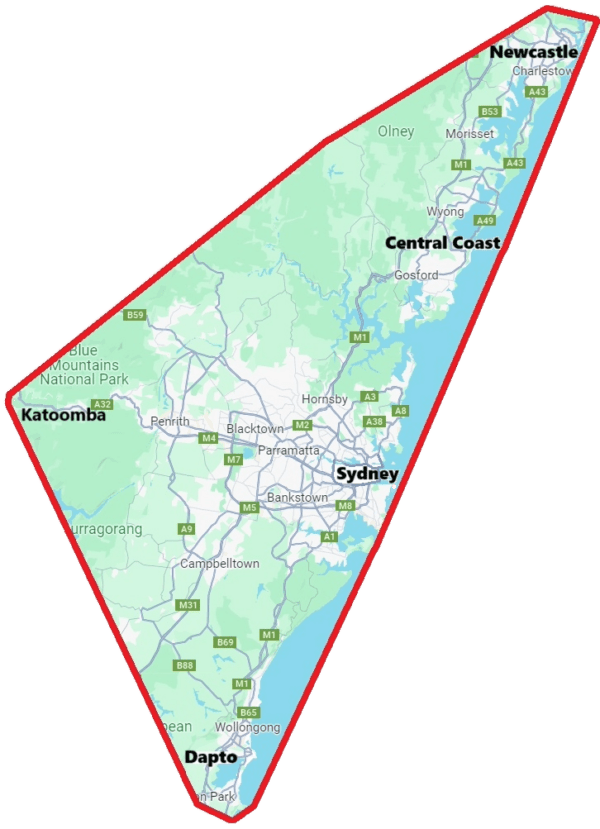
Our Concrete Cancer Repair specialists work throughout the greater Sydney region.
We service:
– Sydney
– St George
– Newcastle
– Inner West
– Wollongong
– Sydney CBD
– The Hills Shire
– Eastern Suburbs
– Sutherland Shire
– Northern Sydney
– Northern Beaches
– North West & Ryde
– Lower North Shore
– Upper North Shore
– South West Sydney
– Greater Western Sydney
We can take on any job at any time. No matter how big the job is, we’ll take it on!
Click Here To Learn More About The Areas In Australia That We Service
Frequently Asked Questions
How Much Does It Cost To Repair Concrete Cancer?
The cost for Concrete Cancer Repairs varies widely depending on the scale of deterioration and the complexity of the job. Small, localised repairs may only cost a few thousand dollars, while severe or widespread structural damage can exceed $50,000+.
As a general guide, many industry professionals estimate pricing at around $100 per litre of repair material, though this can change based on site conditions and labour requirements.
A number of key factors influence the overall price. Below is a clearer, more detailed breakdown:
Minor Concrete Cancer Repairs:
For small areas where corrosion and spalling are limited, repairs may cost from a few thousand dollars, depending on depth, access, and preparation requirements.
Major Structural Repairs:
Large, complex projects—especially those involving beams, columns, suspended slabs, or heavily damaged balconies—can reach tens of thousands of dollars, particularly when structural reinforcement is required.
What Affects The Cost Of Concrete Cancer Repairs:
Severity and Size of the Damage:
The larger and deeper the concrete cancer, the more labour, materials, and time are required. Extensive corrosion significantly increases project costs.
Structural Complexity:
Repairs involving structural elements—such as beams, lintels, columns, or multi-level balconies—demand additional engineering considerations, which raises the price.
Access and Site Conditions:
Poor access (e.g., high-rise balconies, confined spaces, or difficult elevations) increases labour costs. Scaffolding alone can exceed $15,000 per elevation, depending on height and required safety systems.
Additional Restoration Work:
Extra services such as waterproofing, crack sealing, protective membranes, or anti-carbonation coatings will increase the total project cost but are often necessary for long-term durability.
Fixing the Underlying Cause:
Concrete cancer will return unless the root issue—typically water ingress or poor waterproofing—is addressed. Correcting the source prevents repeat repairs and avoids paying for the same issue twice.
Free Concrete Cancer Inspections Available Across Australia
At Concrete Cancer Repairs Sydney, we offer FREE no-obligation site inspections to assess potential concrete cancer in properties throughout Australia.
Our experienced team conducts detailed assessments to locate the source of the issue that’s leading to concrete damage. Identifying the root cause early is essential to preventing the problem from spreading and causing further structural harm.
Once we’ve determined what’s behind the deterioration, we develop a tailored repair plan that delivers reliable, long-term results.
Think you might have concrete cancer? CONTACT US TODAY to arrange a free onsite inspection. We’ll provide you with a transparent, detailed quote and outline the most effective methods to restore and protect your property.
How To Recognise Concrete Cancer
Concrete cancer develops when the steel reinforcement inside a concrete structure begins to rust, causing visible damage over time. Identifying these warning signs early can help prevent major structural problems and costly repairs.
Cracks and Deteriorating Surfaces:
Look out for cracks or crumbling sections of concrete, particularly near edges or joints. These often indicate that the steel beneath is corroding and affecting the surrounding concrete.
Rust Stains:
Reddish-brown or orange streaks on the concrete surface are usually a sign that the internal steel is rusting and expanding, pushing the rust through to the exterior.
Peeling, Bubbling, or Flaking Concrete:
Areas where the paint or concrete surface is lifting, peeling, or bubbling can be caused by the pressure of rusted steel expanding beneath the surface.
White, Powdery Deposits:
A white, powdery substance on concrete, known as efflorescence, often forms as moisture escapes through the surface, signaling potential deterioration from rust or water intrusion.
Moisture Problems:
Persistent damp patches or leaks on balconies, ceilings, or walls made of concrete may indicate underlying steel corrosion contributing to concrete cancer.
Bulging or Warping:
In severe cases, the concrete may swell or warp as the rusted steel inside expands, leading to noticeable outward deformation of the structure.
Thinking Of Buying A Property With Concrete Cancer? Here’s What You Need To Know
If you’re considering a property showing signs of concrete cancer, caution is essential. Properties affected by concrete spalling may appear cheaper initially, but the structural damage can lead to costly repairs and serious safety risks. Concrete cancer weakens the building’s integrity, and ignoring it can result in extensive renovation work down the line.
Before making any commitments, it’s critical to arrange a professional building inspection and consult a structural engineer. These experts can accurately assess the damage, provide reliable repair cost estimates, and help you decide whether the property is a viable investment.
By understanding the full extent of the issue upfront, you can avoid unexpected expenses and ensure the property is safe for future use. For anyone in Sydney facing concrete cancer concerns, timely concrete cancer repair is the key to protecting your investment and maintaining structural safety.
Understanding The Difference Between Concrete Cancer And Concrete Spalling?
Although the terms concrete cancer and concrete spalling are sometimes used interchangeably, they describe different types and stages of concrete deterioration. Knowing the distinction is essential for property owners to identify problems early and take the right repair measures.
Concrete Spalling – This refers to surface-level damage where the concrete begins to chip, flake, or break away. Spalling is often caused by environmental exposure, water penetration, or everyday wear and tear. It usually appears as rough, crumbling patches, small cracks, or exposed areas on the surface. While spalling can gradually weaken the concrete, it doesn’t always indicate that the steel reinforcement inside has been affected.
Concrete Cancer – This is a far more serious structural issue. It occurs when moisture penetrates the concrete and reaches the steel reinforcement (rebar). Once the steel starts rusting and expanding, it exerts pressure on the surrounding concrete, causing deep cracks, flaking, and bulging. Over time, this internal corrosion accelerates, leading to severe structural weakening and widespread damage. Signs of concrete cancer often include rust stains, significant surface cracking, and visibly warped or bulging concrete.
Understanding these differences allows property owners to take timely action, protecting both the safety and longevity of their building.
What Is Concrete Cancer?
Concrete cancer is a term used to describe the deterioration of concrete caused by the corrosion of the steel reinforcement within it. When steel reinforcement bars (known as rebar) inside the concrete begin to rust, they expand. This expansion causes the surrounding concrete to crack, weaken, and eventually break apart. The damage can spread rapidly if left untreated, which is why early detection and proper repair are so important.
Although concrete is known for its strength and durability, it isn’t immune to damage. Over time, environmental conditions and poor construction practices can lead to moisture seeping through cracks or porous concrete, reaching the steel reinforcement. When the steel rusts, it can increase in volume by up to four times its original size. This creates internal pressure within the concrete, leading to visible signs such as cracking, spalling (flaking), and rust stains.
Typical Timeframe For Concrete Cancer Repairs
For most residential and small commercial properties, concrete cancer repairs generally take 1 to 5 days. Larger or more complex projects—such as multi-storey buildings, basements, or waterfront structures—can extend over several weeks. Here’s a breakdown of expected repair timelines:
Minor Repairs: 1 – 2 days
Small areas of spalling or isolated cracks are usually straightforward to fix, especially when access is easy.
Moderate Repairs: 3 – 5 days
When multiple sections are affected—such as balconies, columns, or overhead slabs—repairs take longer due to surface preparation, curing times, and applying protective coatings.
Major Repairs: 1 – 4 weeks or more
Extensive damage affecting structural elements may require reinforcement replacement, waterproofing, and specialist coatings, which can significantly extend the timeline.
Key Factors That Affect Repair Duration
Several elements can influence how long a concrete cancer repair project takes:
Extent of Damage:
Deeper cracks, corroded rebar, or large areas of delaminated concrete increase the complexity and duration of repairs.
Accessibility:
Hard-to-reach spots, such as high balconies or confined spaces, may need scaffolding, lifts, or specialized equipment.
Weather Conditions:
Rain, high humidity, or extreme temperatures can slow drying and curing times, particularly for external repairs.
Repair Method Used:
Different techniques—like epoxy injection, patching, or full concrete replacement—require varying amounts of time to complete.
How Do You Determine If My Property Has Concrete Cancer?
We begin with a full site inspection, checking for signs such as cracking, rust stains, spalling, moisture ingress, bulging concrete, or exposed reinforcement. We also assess concrete cover, moisture levels, and underlying structural integrity.
If required, we may recommend non-destructive testing like cover-meter scans, ultrasound delamination detection, or resistivity testing. These diagnostics ensure we identify the exact cause and develop a repair plan that prevents recurrence rather than just patching the visible damage.
What Materials And Repair Methods Do You Use, And Why Are They Important?
We tailor every repair method to the structure’s condition, the extent of corrosion, and the surrounding environmental factors. This ensures your concrete is restored with the right system—not just a quick patch.
Our process typically includes removing all weakened or delaminated concrete, treating or replacing corroded reinforcing steel, applying advanced corrosion-control products, and rebuilding the area with high-strength structural repair mortars, epoxies, or polymer-modified compounds.
To complete the repair, we often apply protective coatings, sealers, or waterproof membranes designed to block moisture and prevent future deterioration. Using the correct materials and systems is essential—it stops recurring corrosion, enhances durability, and maximises the long-term performance and lifespan of the repaired structure.
Will The Repair Affect The Usable Area And How Long Will I Be Prevented From Accessing It?
Yes, depending on the extent of the repair, the area may need to be temporarily closed for safety and curing.
Small repairs may allow access after 24–48 hours, while large repairs involving reinforcement replacement or waterproofing may require a temporary closure of several days or weeks.
We always provide a clear schedule before work begins to minimise disruption.
Does Repairing Concrete Cancer Remove The Root Cause, Or Just Treat The Symptom?
A high-quality concrete cancer repair must do both — and this is where many cheap patch jobs fail. Simply filling cracks or re-rendering the surface might hide the visible damage temporarily, but the corrosion inside the concrete will continue to spread unless the underlying cause is properly addressed.
Our repair process focuses on eliminating the source of the problem, not just the appearance of it. We identify why the reinforcement began corroding in the first place — whether it’s failed waterproofing, inadequate concrete cover, trapped moisture, drainage issues, severe carbonation, or chloride/salt exposure.
Once identified, we treat the steel, rebuild the damaged area using structural-grade mortars, and apply protective systems to prevent future corrosion. By targeting both the symptoms and the root cause, the repair becomes long-lasting, structurally sound, and far less likely to fail again.
What Warranty Or Lifespan Can I Expect After The Repair?
The longevity of concrete cancer repairs depends heavily on the quality of preparation, the repair method, and the protective systems installed. When concrete cancer is repaired correctly — with proper steel treatment, structural repair mortars, and long-term moisture protection — the results can last for decades.
We offer a range of warranty periods depending on the products and systems applied, including 0, 2, 5, 7, 10 and sometimes even 20 – 30 year warranties.
– Low Range: 0-2 Years Warranties:
These warranties apply to basic patch repairs where loose concrete is removed and minor exposed steel is treated, but no long-term protective systems are added. Suitable for temporary fixes or low-risk areas, this option offers minimal durability, as underlying causes may remain.
– Mid Range: 5–7 Year Warranties:
Mid-range warranties cover standard concrete cancer repairs involving full concrete removal, steel treatment, and quality structural mortars. Basic protective systems—like penetrating sealers or anti-carbonation coatings—are typically included, providing solid performance for moderate exposure areas.
– High End: 10 Year Warranties:
A 10-year warranty applies to advanced repair systems using premium corrosion inhibitors, deeper removal, and high-performance mortars. These repairs include stronger protection such as reinforced membranes or specialised coatings, ideal for high-exposure environments.
– Exceptional Case: 20 – 30 Year Warranties:
The longest warranties apply to major structural remediation where extensive concrete removal, steel replacement or upgrades, and advanced membranes or anti-chloride barriers are installed. This tier suits coastal, commercial, or heavily exposed structures needing maximum long-term durability such as bridges.
These warranty options ensure you can choose the level of long-term protection that suits your building, exposure conditions, and budget. With proper ongoing maintenance, high-quality concrete cancer repairs can provide structural stability and protection for several decades.
Will My Insurance Cover Concrete Cancer Repairs?
Insurance Coverage Varies:
Most home and commercial insurance policies exclude concrete cancer caused by gradual deterioration, corrosion, or lack of maintenance. However, if the damage can be tied to an insurable event—such as sudden water ingress from a burst pipe, storm-related impact damage, or accidental structural impact—your insurer may offer partial or even full coverage.
To help support your claim, we provide detailed inspection reports, photographs, and expert documentation that clearly outline the cause, extent of damage, and recommended repairs. This makes the approval process smoother and improves your chances of receiving compensation where eligibility applies.
How Do I Maintain The Repaired Area To Avoid The Issue Returning?
Effective maintenance is essential to prevent concrete cancer from reoccurring, even after high-quality repairs. The goal is to keep moisture, salts, and carbonation from reaching the reinforcing steel again. We recommend the following ongoing steps:
Inspect Waterproofing and Drainage Yearly:
to ensure water isn’t pooling or penetrating slab surfaces, balconies, rooftops, or planter areas.
Monitor Protective Coatings:
(sealants, membranes, anti-carbonation finishes) and reapply them as recommended by the manufacturer to maintain full protection.
Repair Small Cracks Immediately:
as even hairline fractures can allow water and chlorides to enter and restart the corrosion process.
Check High-Exposure Areas:
such as coastal facades, car parks, or balconies—for any rust staining, bubbling render, or hollow-sounding patches.
Keep Gutters, Downpipes, and Drainage Pathways Clear:
as blocked stormwater systems can cause unexpected slab saturation.
Maintain Good Airflow:
in enclosed concrete areas like basements and garages to reduce humidity and condensation.
Proper maintenance significantly extends the lifespan of your repair and prevents minor issues from becoming major structural defects, helping you avoid costly future remediation and protecting the long-term integrity of your building.
How Do I Know If The Concrete Cancer At My Property Is A Structural Issue Or Just A Cosmetic Problem?
Determining whether concrete cancer is cosmetic or structural requires a professional assessment, as the visible damage on the surface doesn’t always reflect the true severity beneath.
Cosmetic issues usually involve small, isolated patches of surface spalling with minimal steel exposure. Structural concerns, however, arise when the corrosion affects load-bearing elements such as beams, balconies, columns, suspended slabs, or areas with widespread cracking and rust staining.
We conduct a detailed inspection to evaluate concrete cover, reinforcement depth, moisture intrusion, and any signs of delamination or movement. If necessary, we may recommend non-destructive testing or a structural engineer’s evaluation.
Identifying the severity early helps prevent safety risks, unexpected failures, and costly major remediation later on.
Can Concrete Cancer Repairs Be Completed On Older Heritage Or Listed Buildings?
Yes, concrete cancer repairs can be successfully carried out on heritage or architecturally significant buildings, but they require a more specialised approach. In these projects, we carefully select materials and techniques that are compatible with the original structure, preserve the building’s appearance, and comply with heritage guidelines.
Additional considerations may include restricted work hours, limited access, noise control, and the requirement for council or heritage approvals. Our process ensures the damaged concrete is repaired without compromising the building’s structural integrity or its historical value.
What Happens If I Ignore Concrete Cancer Or Delay Repairs?
Ignoring concrete cancer almost always leads to faster deterioration and significantly higher repair costs. As the steel reinforcement continues to corrode, it expands and forces the surrounding concrete to crack, lift, and break away. Over time, this can spread across larger areas of the structure, causing widespread spalling, water leaks, and deep structural weakening.
If left untreated, the damage can escalate to serious safety hazards, including falling concrete fragments, unstable balconies, compromised beams or columns, and in extreme cases, partial structural failure. At that stage, repairs become far more invasive and expensive, often requiring full slab rebuilds, reinforcement replacement, or large-scale façade remediation.
Prompt repairs not only stop the corrosion process but also protect your building’s value, safety, and long-term structural integrity.
Can Concrete Cancer Spread To Other Parts Of My Building?
Yes, concrete cancer can absolutely spread if it’s not repaired promptly. Reinforcement steel often runs continuously through slabs, beams, columns, and balconies, meaning corrosion can travel along the steel even when the visible damage appears limited to one area. As the corrosion progresses, it causes new cracks, fresh spalling, and further delamination in adjoining sections of concrete.
Moisture, salts, and carbonation can also migrate through the concrete itself, accelerating deterioration in nearby areas that may originally have been unaffected. Addressing concrete cancer early prevents this chain reaction, reduces repair costs, and ensures the surrounding structure remains safe and stable.
Why Is Concrete Cancer More Common In Coastal Areas?
Concrete cancer is significantly more common in coastal regions due to the high concentration of airborne chlorides (salt). Salt-laden moisture penetrates concrete far more easily than fresh water, rapidly breaking down the protective layer surrounding the steel reinforcement. Once this layer is compromised, corrosion begins and spreads faster than in inland environments.
Coastal buildings also endure harsher environmental conditions such as stronger winds, higher humidity, and frequent wet–dry cycles. These factors increase moisture penetration and accelerate the corrosion process. For seaside properties, we strongly recommend enhanced repair systems such as marine-grade repair mortars, specialised corrosion inhibitors, and high-performance protective coatings designed to resist salt exposure long-term.
What Areas In Sydney Do We Service?
Our Concrete Cancer Repair specialists work throughout the greater Sydney region.
We service:
– Sydney
– St George
– Newcastle
– Inner West
– Wollongong
– Sydney CBD
– The Hills Shire
– Eastern Suburbs
– Sutherland Shire
– Northern Sydney
– Northern Beaches
– North West & Ryde
– Lower North Shore
– Upper North Shore
– South West Sydney
– Greater Western Sydney
We can take on any job at any time. No matter how big the job is, we’ll take it on!
Click Here To Learn More About The Areas In Australia That We Service

FREE QUOTE CALL OR TEXT
0424 408 330
Trusted by Builders, Strata Managers & Property Owners*
No Call Out Fee Conditions apply*
GET YOUR JOB BOOKED IN AND FINISHED TODAY !!
"*" indicates required fields
"*" indicates required fields
"*" indicates required fields
OFFICE LINE
WORKING HOURS