

FREE QUOTE CALL OR TEXT
0424 408 330
Trusted by Builders, Strata Managers & Property Owners*
No Call Out Fee Conditions apply*
GET YOUR JOB BOOKED IN AND FINISHED TODAY !!
"*" indicates required fields
What Does Concrete Cancer Look Like? (Early Warning Signs & Visual Clues in Sydney)
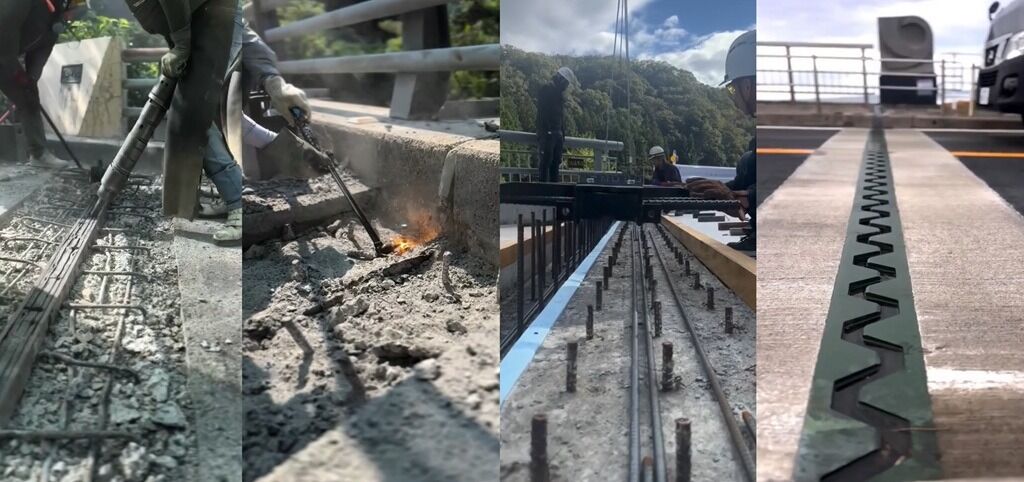
Concrete Cancer is a form of concrete deterioration that occurs when the steel reinforcement (rebar) inside a concrete slab begins to rust, expand, and force the surrounding concrete to crack, crumble, or lift. Once this damaging process begins, it will continue to spread unless properly repaired—making early detection absolutely essential.
Below are the most common visual signs of concrete cancer you should look for around your home, apartment complex, balcony, or commercial structure.
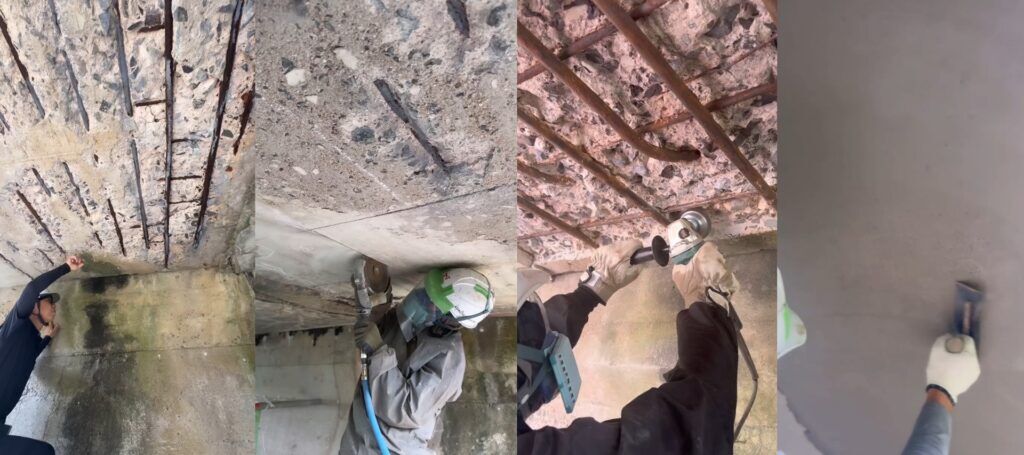
Cracking, Flaking, or Spalling Concrete
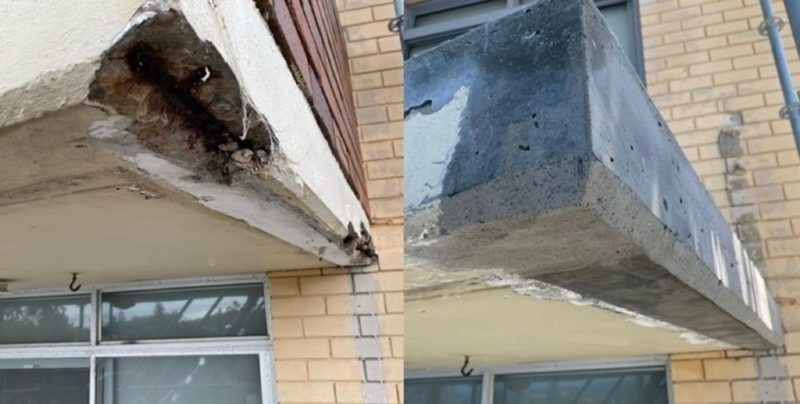
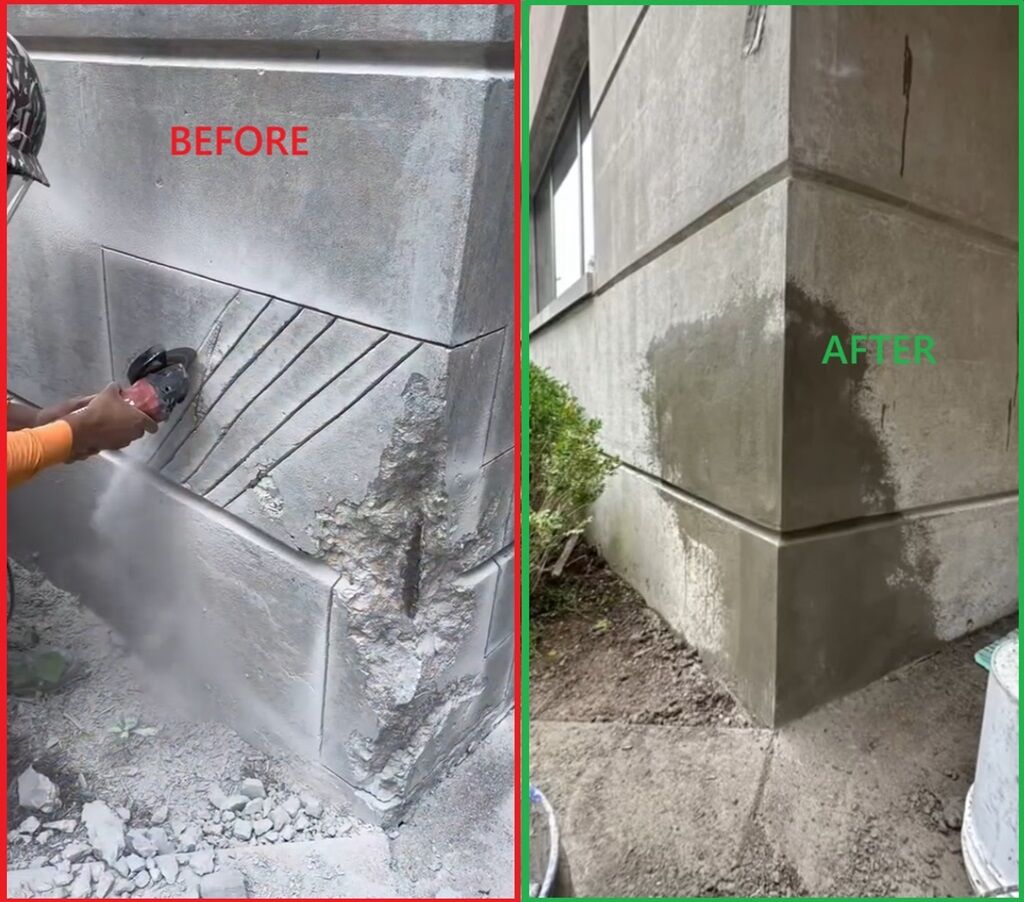
One of the earliest warning signs of concrete cancer is visible cracking, flaking, or “spalling.” If you notice rough edges, surface deterioration, or concrete breaking away—especially near joints, balcony edges, or slab corners—these areas may be signalling corrosion inside the slab. As the steel reinforcement rusts, it expands, putting pressure on the surrounding material and gradually forcing the surface to break apart.
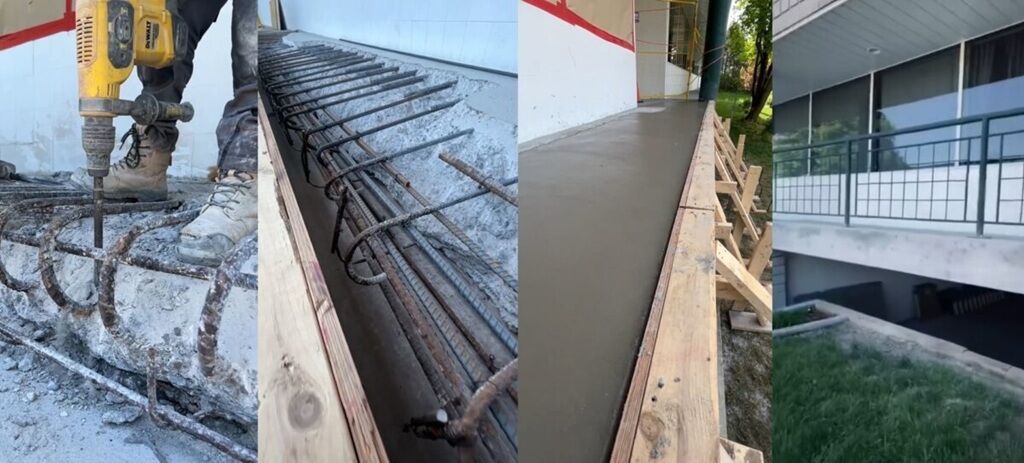
Rust-Coloured Stains or Orange Streaks
Brown, red, or orange stains leaking down walls or balcony undersides typically indicate corrosion of reinforcement steel. These rust streaks often appear near hairline cracks or exposed edges and are a major diagnostic indicator that rusting steel is pushing moisture outward through the concrete surface.
This is one of the most common, visible, and reliable warning signs.
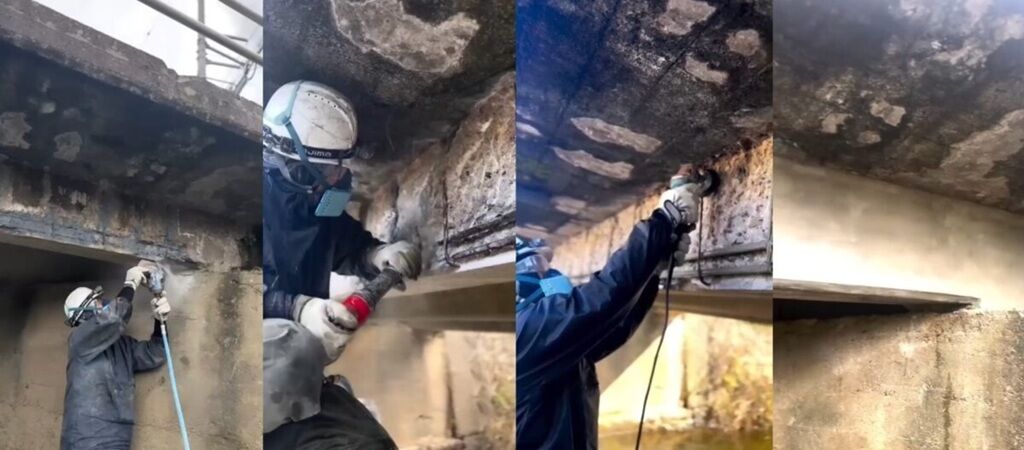
Peeling, Bubbling, or Lifting Concrete Coatings
If paint, waterproof membranes, or surface finishes are bubbling or peeling, this can mean moisture is trapped within the slab or the reinforcement steel is expanding behind the surface. These pressure-driven failures often occur on:
– Balconies
– Retaining walls
– Basement ceilings
– Concrete columns
If you touch the surface, you may notice hollowness, loose material, or soft sections.
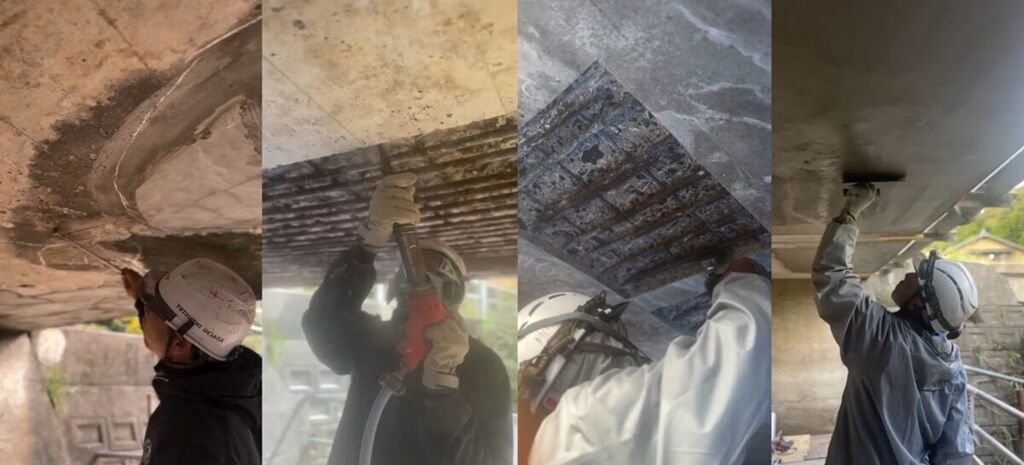
White Powder Build-Up (Efflorescence)
A white, chalky residue appearing on the surface of concrete is known as efflorescence, and it often becomes visible when water or moisture is migrating through the slab. While mild efflorescence isn’t always serious, in combination with cracks and rust stains, it frequently suggests deeper structural deterioration.
Persistent Moisture Issues
Ongoing dampness, leaks, or water penetration around concrete elements should never be ignored. Moisture is the main trigger for concrete cancer, and when water reaches the steel reinforcement, corrosion begins.
If you notice damp spots or water dripping:
– Under balconies
– Along slab soffits
– Near window sills
– Inside carparks
It may indicate underlying structural corrosion.
Bulging, Bowing, or Warped Concrete
In serious stages, concrete cancer can cause structural movement as the internal steel reinforcement swells dramatically. This expansion can push the concrete outward, creating bulges, raised sections, sagging areas, or visible deformation of the slab. At this stage, the damage may already be severe—professional inspection is critical.
See These Warning Signs? Act Fast — Concrete Cancer Always Gets Worse
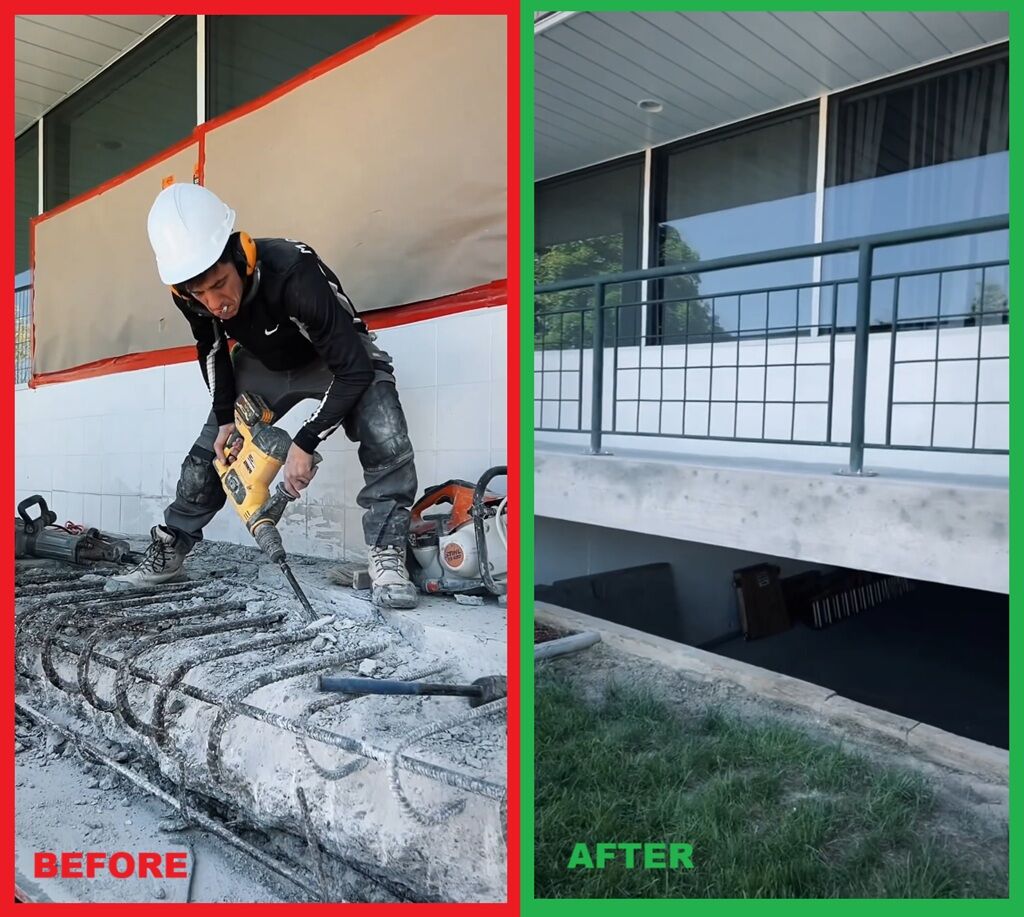
Concrete cancer never stabilises or improves on its own. Without intervention, the damage will spread, repair costs increase dramatically, and structural safety can be compromised.
If you notice cracking, rust staining, or concrete deterioration anywhere on your property, it’s wise to arrange a professional concrete cancer inspection immediately.

FREE QUOTE CALL OR TEXT
0424 408 330
Trusted by Builders, Strata Managers & Property Owners*
No Call Out Fee Conditions apply*
GET YOUR JOB BOOKED IN AND FINISHED TODAY !!
"*" indicates required fields
"*" indicates required fields
"*" indicates required fields
OFFICE LINE
WORKING HOURS