FREE QUOTE CALL OR TEXT
0424 408 330
Trusted by Builders, Strata Managers & Property Owners*
No Call Out Fee Conditions apply*
GET YOUR JOB BOOKED IN AND FINISHED TODAY !!
"*" indicates required fields
At Concrete Cancer Repairs Sydney We Offer FREE Concrete Cancer Inspections Throughout Sydney
At Concrete Cancer Repairs Sydney, we offer complimentary, obligation-free inspections throughout Greater Sydney to help property owners identify early signs of concrete cancer before the damage becomes severe. Our experienced specialists conduct thorough evaluations to determine what’s causing the deterioration within your concrete structure.
Understanding the source of the problem is essential for stopping concrete cancer from spreading. After diagnosing the primary cause—whether it stems from moisture penetration, inadequate concrete coverage, or corrosion of the reinforcing steel—we propose the most suitable repair method tailored to your property.
If you’ve noticed potential symptoms of concrete cancer in your residential or commercial building, contact our team to book a FREE on-site assessment. We’ll inspect the affected areas, walk you through your repair options, and provide a clear, detailed quote for the most effective long-term solution.
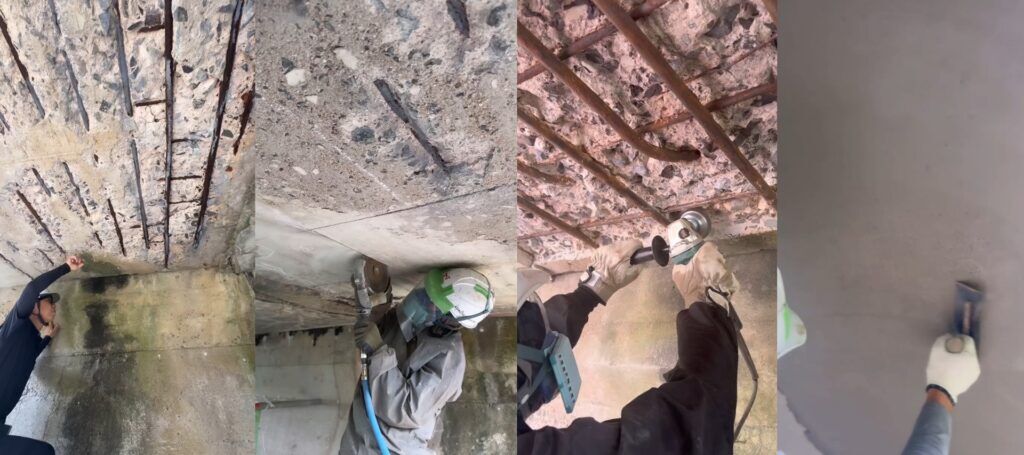
10 Common Indicators That Your Property May Have Concrete Cancer
1. Rust-Coloured Marks
Brown or reddish streaks appearing on concrete surfaces can signal that the internal steel reinforcement is corroding — a key factor in the development of concrete cancer.
2. Surface Wear or Erosion
Concrete that has begun to wear away or lose its smooth finish often absorbs water more easily. This excess moisture speeds up deterioration beneath the surface.
3. Cracking and Splitting
Any type of cracking — from fine hairline breaks to larger splits — can allow water to seep inside the concrete. Once moisture reaches the steel, it causes corrosion, which expands and worsens the cracks over time.
4. Persistent Moisture or Water Pooling
Ongoing damp areas, discolouration from moisture, or water collecting on flat surfaces usually point to drainage problems. These conditions can accelerate water penetration and steel corrosion.
5. Faulty or Damaged Joints
Expansion and control joints help concrete move safely. If they’re missing, worn out, or poorly installed, the concrete can fracture under pressure, giving water an easy route to internal reinforcement.
6. Minimal Concrete Cover Over Steel
When reinforcing bars sit too close to the surface, they have less protection from the elements. This makes it easier for moisture to reach the steel and begin the corrosion process.
7. Corroding Metal Fixtures (e.g., Balustrade Mounts)
Rust on steel fixtures embedded in or attached to concrete can spread into the surrounding material, creating internal damage and triggering early concrete cancer.
8. Peeling, Bubbling, or Blistering Paint
If paint lifts or bubbles — especially on ceilings, beams, or balcony undersides — it often indicates trapped moisture, which may be linked to deterioration happening within the concrete.
9. Hollow or Drummy Sounds When Tapped
A hollow echo when tapping the surface usually means the concrete layers have separated (delamination). This is often associated with more advanced stages of concrete cancer.
10. Exposed Reinforcing Steel
When concrete breaks away or crumbles enough to reveal the steel bars inside, it’s a clear and serious warning sign. Visible reinforcement typically means the structure is already suffering significant internal corrosion.
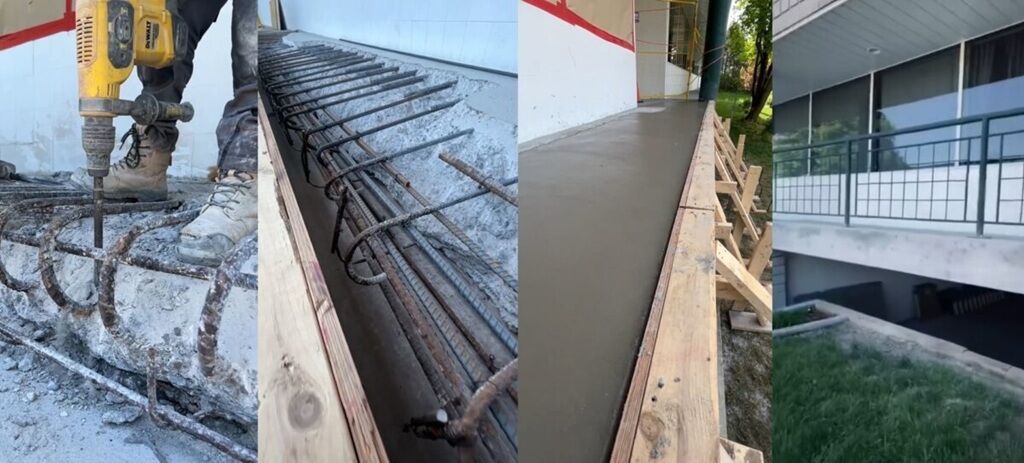
Our Concrete Cancer Repair Method
Step 1: Free On-Site Inspection
We start by inspecting your property in person. During this visit, our team evaluates all visible signs of concrete cancer and prepares a customised, obligation-free quote based on the extent of the damage.
Step 2: Identifying the Cause
Our technicians trace the root of the spalling or delamination. We map out the affected zones, assess how far the deterioration has progressed, and choose the most suitable repair strategy.
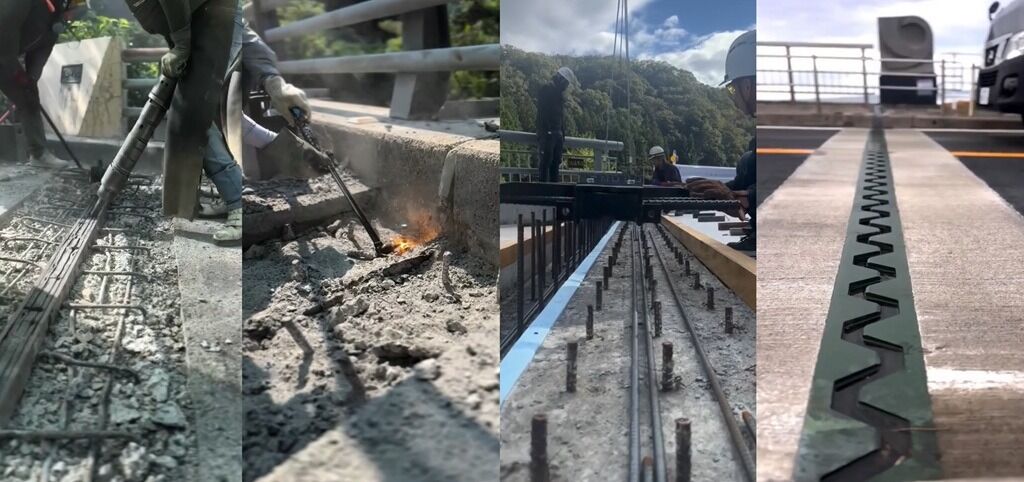
Step 3: Cutting Back Damaged Areas
Any compromised concrete is carefully cut away. We shape and neaten the edges to create a clean, stable foundation for the upcoming repairs.
Step 4: Low-Impact Jackhammer Removal
Using equipment designed to minimise dust and vibration, we break away all loose or weakened concrete around the exposed steel without harming surrounding surfaces.
Step 5: Cleaning the Steel Reinforcement
The reinforcing bars are treated with a wire-brush grinder to strip away rust, scale, and corrosion so the steel is ready for protective treatment.
Step 6: Detailed Surface Preparation
We thoroughly clean all exposed surfaces—both concrete and steel—to ensure there’s no residue or debris that could interfere with the repair materials bonding properly.
Step 7: Anti-Corrosion Treatment
A specialised rust-preventative coating and epoxy primer are applied to the reinforcement to stop further corrosion and protect the structure long-term.
Step 8: Adding New Reinforcement (If Required)
If any steel is beyond salvage, we install new reinforcement to bring the structural strength back to its proper standard.
Step 9: Protective Coating
A moisture-resistant, corrosion-blocking coating is applied over the treated steel to safeguard it from future water intrusion.
Step 10: Protective Barrier Application
The repaired area is reinstated using a high-performance repair mortar or concrete mix. This is applied to the correct depth and allowed to cure, restoring a strong, uniform finish.

FREE QUOTE CALL OR TEXT
0424 408 330
Trusted by Builders, Strata Managers & Property Owners*
No Call Out Fee Conditions apply*
GET YOUR JOB BOOKED IN AND FINISHED TODAY !!
"*" indicates required fields
"*" indicates required fields
"*" indicates required fields
OFFICE LINE
WORKING HOURS